what is pu leather
2025-11-29
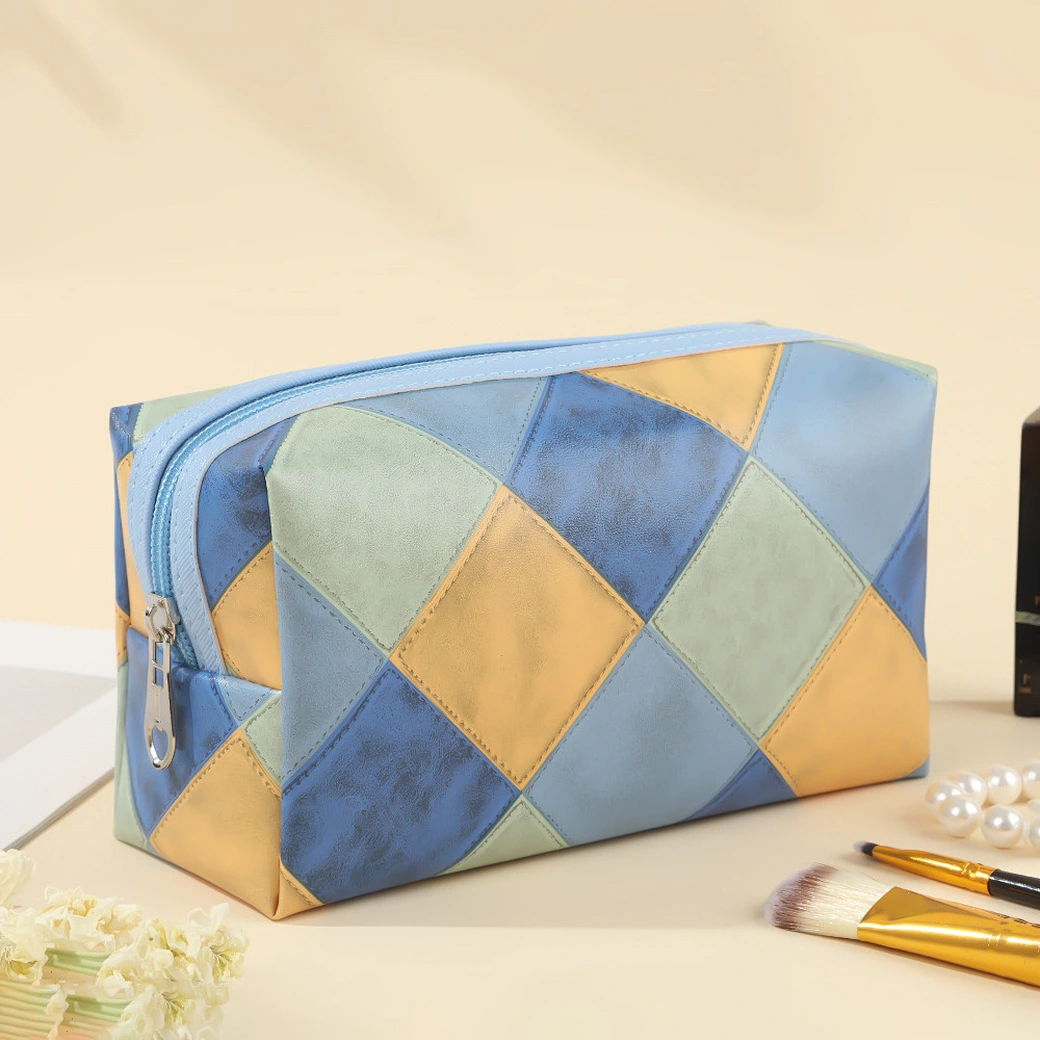
Exploring PU Leather: A Stylish and Practical Choice in Modern Handbag Manufacturing
What is PU Leather?
PU leather, short for Polyurethane Leather, is a type of artificial leather material made by applying a polyurethane coating to a fabric substrate (usually polyester or cotton). This material undergoes a special texture embossing process to simulate the look and feel of real leather, while possessing the practical properties of plastic-based synthetic materials.
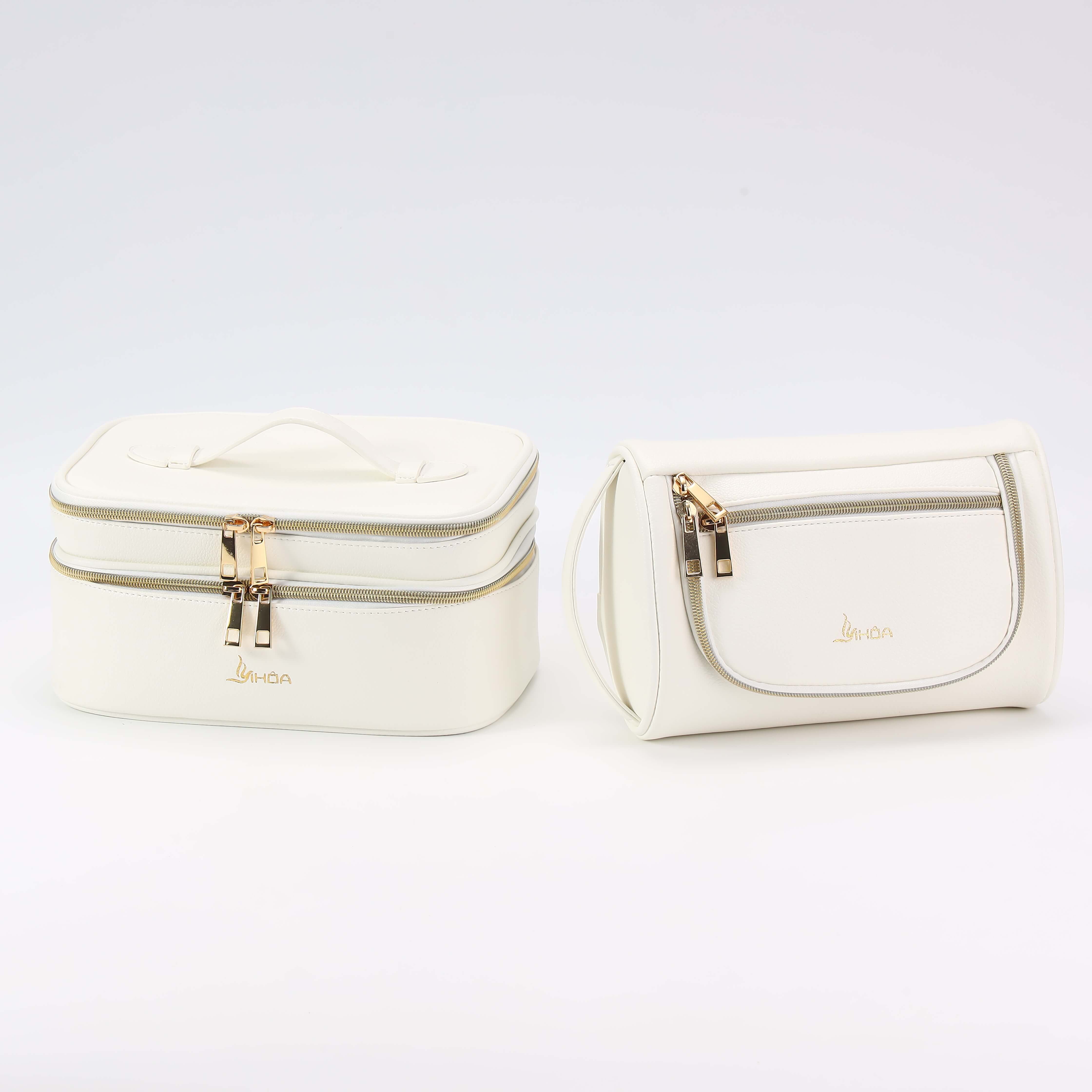
As an animal-friendly material, pure PU leather contains no animal components, making it suitable for consumers pursuing a vegan lifestyle. In modern manufacturing, PU leather has become an economical alternative to genuine leather, widely used in handbags, furniture, footwear, and automotive interiors.
What is PU Leather?
PU leather, short for Polyurethane Leather, is a type of artificial leather material made by applying a polyurethane coating to a fabric substrate (usually polyester or cotton). This material undergoes a special texture embossing process to simulate the look and feel of real leather, while possessing the practical properties of plastic-based synthetic materials.
As an animal-friendly material, pure PU leather contains no animal components, making it suitable for consumers pursuing a vegan lifestyle. In modern manufacturing, PU leather has become an economical alternative to genuine leather, widely used in handbags, furniture, footwear, and automotive interiors.
PU Leather Manufacturing Process
The manufacturing of PU leather is a multi-stage process, each stage directly affecting the quality of the final product:
1. Substrate Preparation: Selecting a fabric such as polyester or cotton as the base material, cleaning and finishing it to ensure even coating adhesion.
2. Polyurethane Coating Application: Applying polyurethane resin to the fabric substrate through spraying or coating processes; the coating thickness has a decisive impact on the product's feel and durability.
3. Embossing Texture: Embossing rollers are used to press leather textures onto the surface, mimicking the natural texture of genuine leather.
4. Surface Finishing: Treatments such as coloring, sanding, and adding protective layers enhance the appearance and improve durability.
Types of PU Leather
Understanding the different types of PU leather helps in making more informed material choices:
• Pure PU Leather: Made entirely of synthetic materials, containing no animal components, making it a strict vegan option.
• Bicast PU Leather: Uses leather scraps as a base, covered with a polyurethane coating, combining the flexibility of genuine leather with the water-repellent properties of PU leather.
• Bonded PU Leather: Leather fiber fragments are mixed with polyurethane adhesive and bonded to a paper or fabric substrate; this is the most economical but less durable option.
Advantages and Limitations of PU Leather
Key Advantages
• Cost-Effectiveness: The biggest advantage of PU leather is its significantly lower price point compared to genuine leather, allowing manufacturers to offer products with a leather-like appearance at a more economical cost.
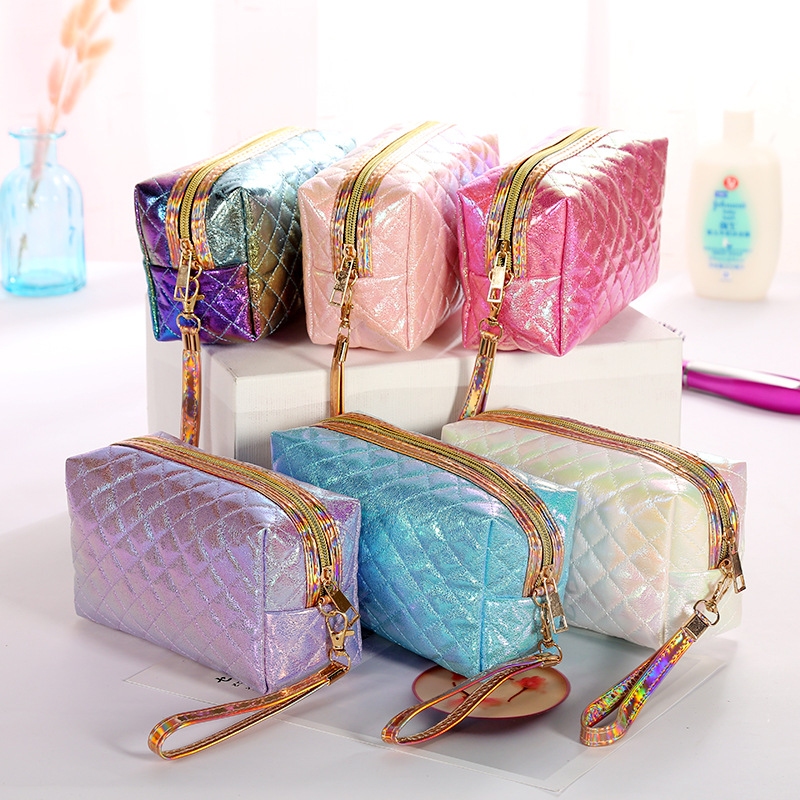
• Design Versatility: As a synthetic material, PU leather can be produced in a wide variety of colors, textures, and patterns, including vibrant hues and special effects that are difficult to achieve from natural leather.
• Easy Maintenance: PU leather's water and stain resistance makes daily cleaning simple, usually requiring only a damp cloth.
• Lightweight: Compared to genuine leather, PU leather is generally lighter, making it particularly suitable for large handbags and backpacks.
• Consistency: The synthetic production process ensures that PU leather has a consistent look and texture, facilitating large-scale production.
Limitations to Consider:
• Durability Limitations: After prolonged use, PU leather may crack or peel, especially in areas of frequent friction.
• Insufficient Breathability: Compared to genuine leather, PU leather is less breathable, which can lead to discomfort, especially in warm environments.
• Texture Differences: Although high-quality PU leather is very close to the feel of genuine leather, experienced users can still detect differences in its plastic feel and odor.
• Environmental Impact: As a petroleum-based plastic product, PU leather is not easily biodegradable, potentially causing long-term environmental impacts.
Applications of PU Leather in Handbag Manufacturing
In modern handbag manufacturing, PU leather has become a versatile and practical material choice:
1. Everyday Handbags: From casual tote bags to formal briefcases, PU leather offers durable and stylish solutions.
2. Fashion Accessories: Wallets, cardholders, and small leather goods often use PU leather to balance cost and design.
3. Seasonal Products: For fast-fashion items that follow trends, the cost advantage of PU leather makes it an ideal choice.
4. Specialty Bags: Utilizing the waterproof properties of PU leather, it is suitable for making rain bags and travel accessories.
5. Experimental Designs: Designers often use the malleability of PU leather to experiment with innovative shapes and structures.
PU Leather Care Guide
Proper care can significantly extend the lifespan of PU leather products:
• Daily Cleaning: Gently wipe the surface with a slightly damp, soft cloth to remove dust and stains. Add a small amount of mild soap if necessary. • Avoid extreme conditions: Avoid prolonged exposure to direct sunlight or high temperatures, as this may cause the material to become brittle and crack.
• Proper storage: When not in use, store PU leather products in a cool, dry place, avoiding compression and deformation.
• Use specialized products: Choose a synthetic leather care product and apply it regularly to maintain the material's flexibility.
• Avoid harmful chemicals: Avoid using oil-based or petroleum-based products, as these may accelerate material aging.
Conclusion: The Position of PU Leather in Handbag Manufacturing
As practitioners in the handbag manufacturing industry, we recognize that PU leather is a practical material that balances cost, aesthetics, and function. It allows consumers to enjoy a leather-like look and feel at an affordable price, while providing designers with ample creative freedom.
While PU leather cannot fully match high-end genuine leather in terms of long-term durability and texture, its continuously improving manufacturing processes and sustainable innovation make it an indispensable material choice in modern handbag manufacturing. We encourage clients to weigh the advantages and disadvantages of PU leather based on product positioning, target price point, and expected lifespan to make the choice that best suits their needs.
For customers seeking value for money, design diversity, and ease of maintenance, PU leather is undoubtedly a high-quality option worth considering.
The manufacturing of PU leather is a multi-stage process, each stage directly affecting the quality of the final product:
1. Substrate Preparation: Selecting a fabric such as polyester or cotton as the base material, cleaning and finishing it to ensure even coating adhesion.
2. Polyurethane Coating Application: Applying polyurethane resin to the fabric substrate through spraying or coating processes; the coating thickness has a decisive impact on the product's feel and durability.
3. Embossing Texture: Embossing rollers are used to press leather textures onto the surface, mimicking the natural texture of genuine leather.
4. Surface Finishing: Treatments such as coloring, sanding, and adding protective layers enhance the appearance and improve durability.
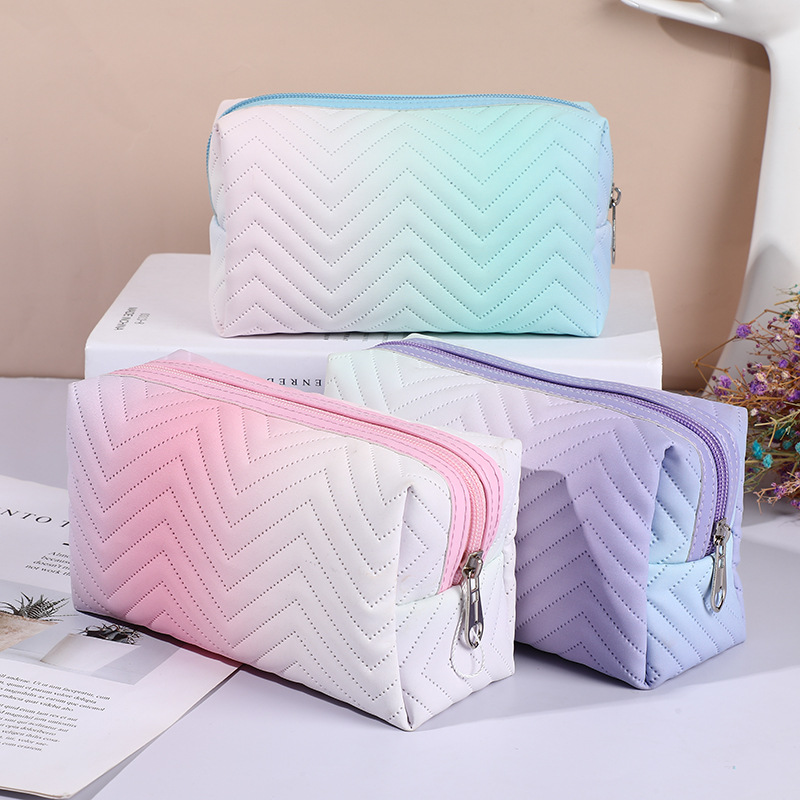
Types of PU Leather
Understanding the different types of PU leather helps in making more informed material choices:
• Pure PU Leather: Made entirely of synthetic materials, containing no animal components, making it a strict vegan option.
• Bicast PU Leather: Uses leather scraps as a base, covered with a polyurethane coating, combining the flexibility of genuine leather with the water-repellent properties of PU leather.
• Bonded PU Leather: Leather fiber fragments are mixed with polyurethane adhesive and bonded to a paper or fabric substrate; this is the most economical but less durable option.

Advantages and Limitations of PU Leather
Key Advantages
• Cost-Effectiveness: The biggest advantage of PU leather is its significantly lower price point compared to genuine leather, allowing manufacturers to offer products with a leather-like appearance at a more economical cost.
• Design Versatility: As a synthetic material, PU leather can be produced in a wide variety of colors, textures, and patterns, including vibrant hues and special effects that are difficult to achieve from natural leather.
• Easy Maintenance: PU leather's water and stain resistance makes daily cleaning simple, usually requiring only a damp cloth.
• Lightweight: Compared to genuine leather, PU leather is generally lighter, making it particularly suitable for large handbags and backpacks.
• Consistency: The synthetic production process ensures that PU leather has a consistent look and texture, facilitating large-scale production.
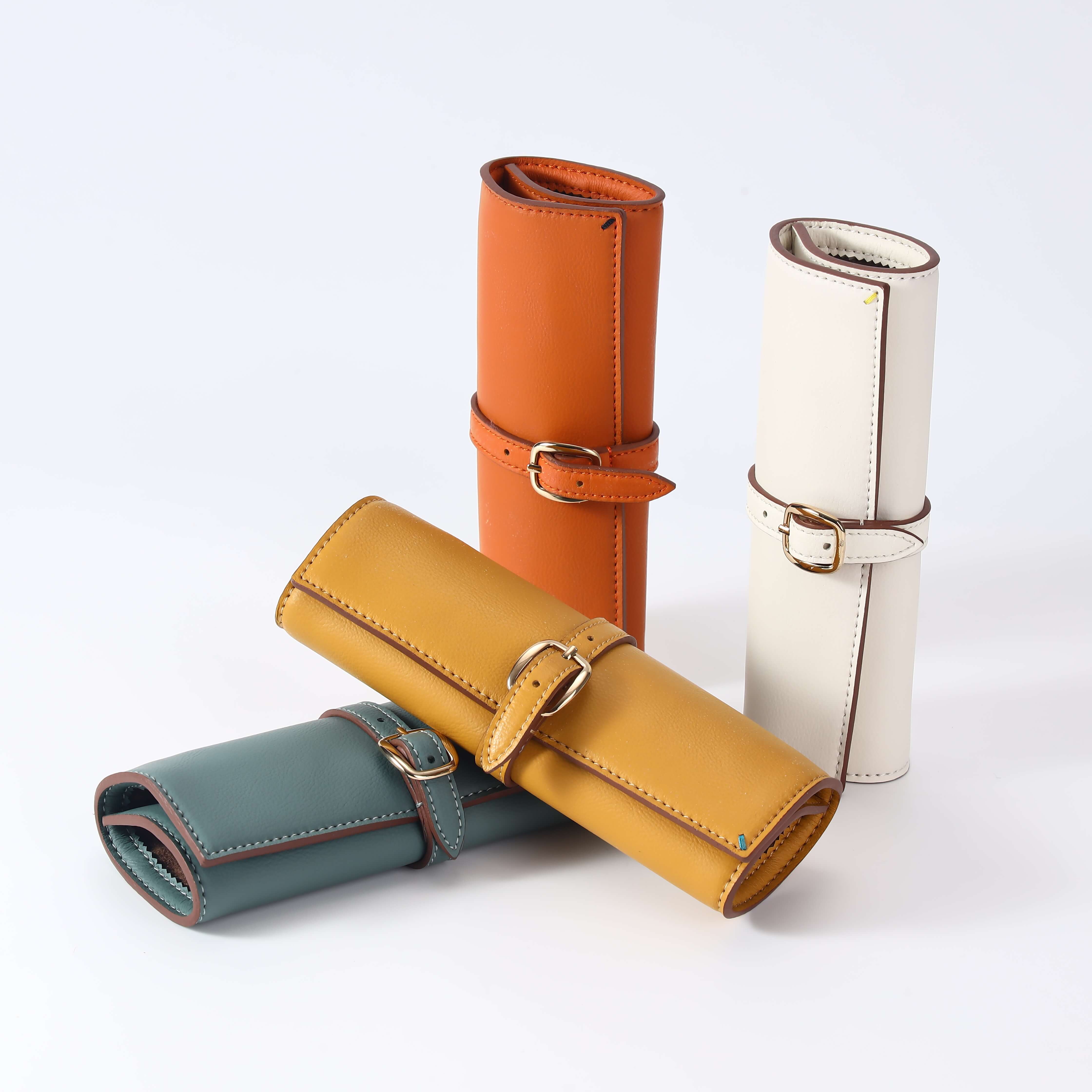
Limitations to Consider:
• Durability Limitations: After prolonged use, PU leather may crack or peel, especially in areas of frequent friction.
• Insufficient Breathability: Compared to genuine leather, PU leather is less breathable, which can lead to discomfort, especially in warm environments.
• Texture Differences: Although high-quality PU leather is very close to the feel of genuine leather, experienced users can still detect differences in its plastic feel and odor.
• Environmental Impact: As a petroleum-based plastic product, PU leather is not easily biodegradable, potentially causing long-term environmental impacts.

Applications of PU Leather in Handbag Manufacturing
In modern handbag manufacturing, PU leather has become a versatile and practical material choice:
1. Everyday Handbags: From casual tote bags to formal briefcases, PU leather offers durable and stylish solutions.
2. Fashion Accessories: Wallets, cardholders, and small leather goods often use PU leather to balance cost and design.
3. Seasonal Products: For fast-fashion items that follow trends, the cost advantage of PU leather makes it an ideal choice.
4. Specialty Bags: Utilizing the waterproof properties of PU leather, it is suitable for making rain bags and travel accessories.
5. Experimental Designs: Designers often use the malleability of PU leather to experiment with innovative shapes and structures.
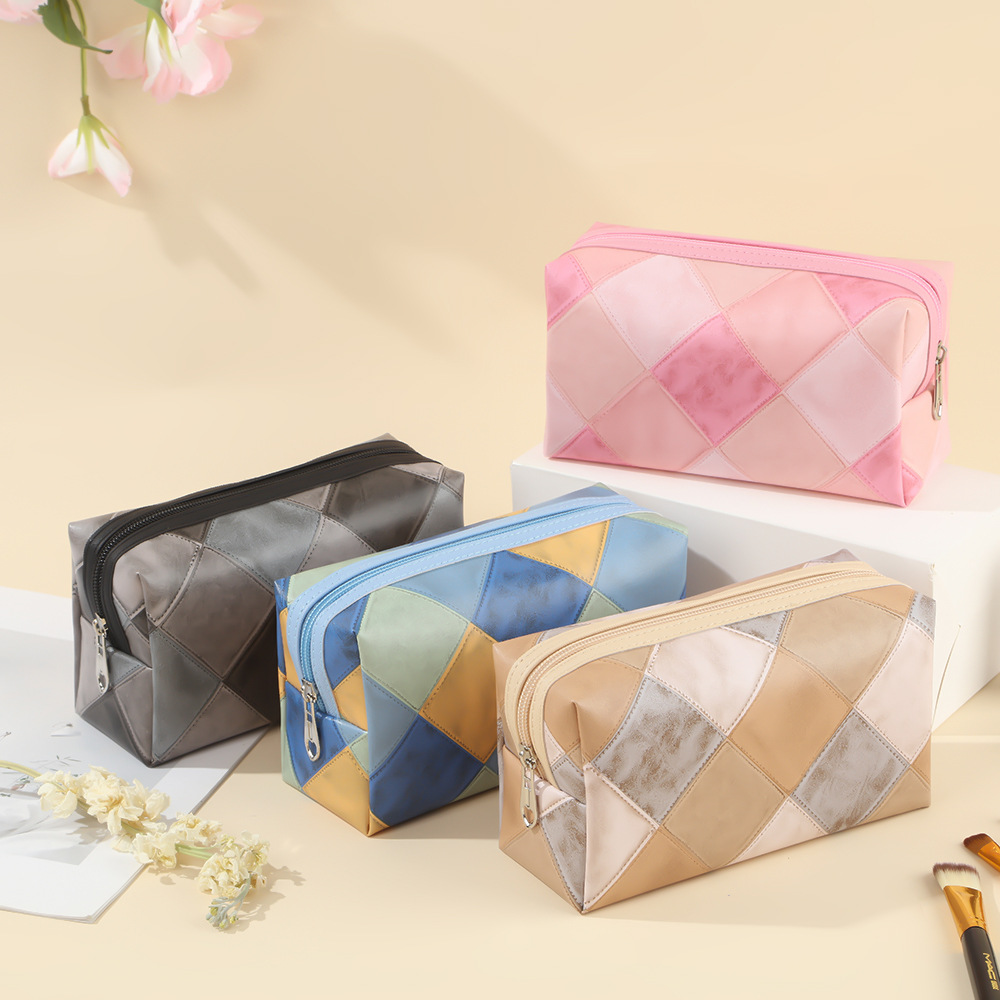
PU Leather Care Guide
Proper care can significantly extend the lifespan of PU leather products:
• Daily Cleaning: Gently wipe the surface with a slightly damp, soft cloth to remove dust and stains. Add a small amount of mild soap if necessary. • Avoid extreme conditions: Avoid prolonged exposure to direct sunlight or high temperatures, as this may cause the material to become brittle and crack.
• Proper storage: When not in use, store PU leather products in a cool, dry place, avoiding compression and deformation.
• Use specialized products: Choose a synthetic leather care product and apply it regularly to maintain the material's flexibility.
• Avoid harmful chemicals: Avoid using oil-based or petroleum-based products, as these may accelerate material aging.
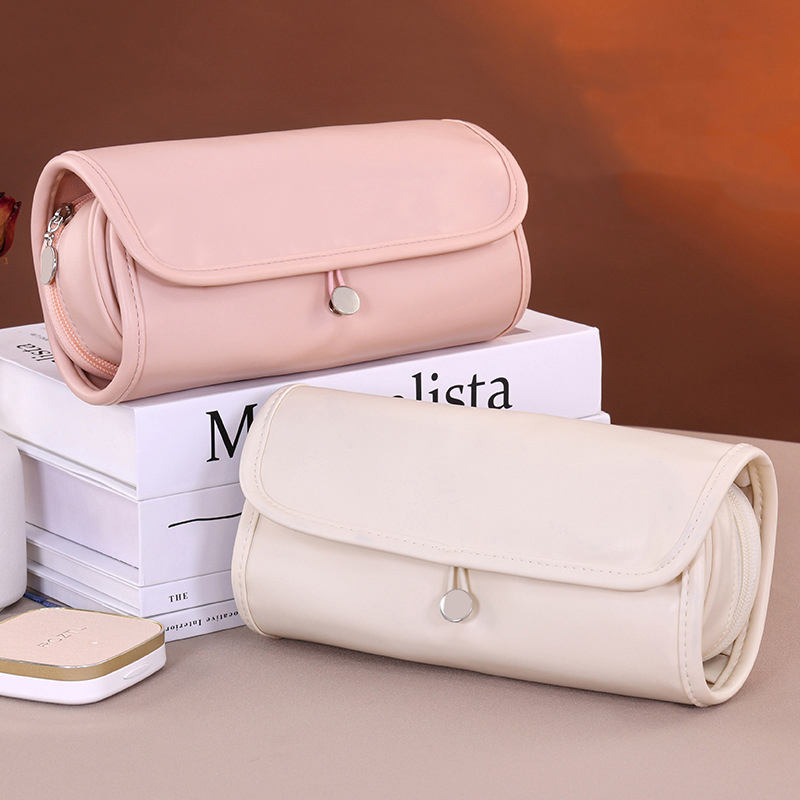
Conclusion: The Position of PU Leather in Handbag Manufacturing
As practitioners in the handbag manufacturing industry, we recognize that PU leather is a practical material that balances cost, aesthetics, and function. It allows consumers to enjoy a leather-like look and feel at an affordable price, while providing designers with ample creative freedom.
While PU leather cannot fully match high-end genuine leather in terms of long-term durability and texture, its continuously improving manufacturing processes and sustainable innovation make it an indispensable material choice in modern handbag manufacturing. We encourage clients to weigh the advantages and disadvantages of PU leather based on product positioning, target price point, and expected lifespan to make the choice that best suits their needs.
For customers seeking value for money, design diversity, and ease of maintenance, PU leather is undoubtedly a high-quality option worth considering.
About Us
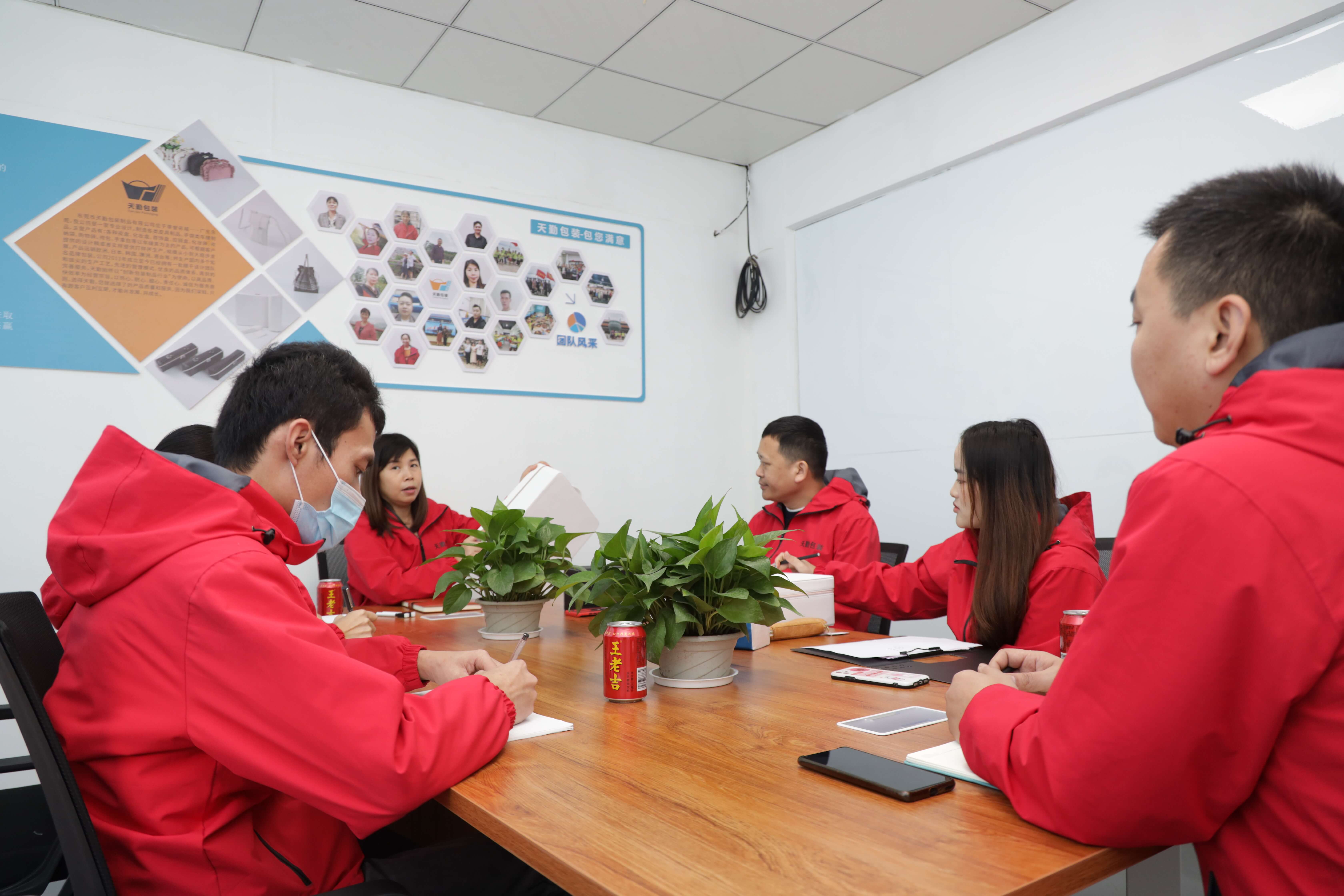
Tianqin Packaging, located in Dongguan, Guangdong, was established in 2011, covering an area of 4,000 square meters. We are a professional enterprise specializing in the design and production of various leather goods and handbag sewing products. Our main products include leather bags, cosmetic bags, jewelry roll bags, zipper bags, storage bags, shopping bags, shoulder bags, tote bags, embroidered bags, and sewing products.
We can make samples and designs according to customer requirements. Our products are exported to Europe, America, Japan, South Korea, and other countries and regions, and we maintain long-term cooperative relationships with many well-known manufacturers.
Tianqin Packaging, located in Dongguan, Guangdong, was established in 2011, covering an area of 4,000 square meters. We are a professional enterprise specializing in the design and production of various leather goods and handbag sewing products. Our main products include leather bags, cosmetic bags, jewelry roll bags, zipper bags, storage bags, shopping bags, shoulder bags, tote bags, embroidered bags, and sewing products.
We can make samples and designs according to customer requirements. Our products are exported to Europe, America, Japan, South Korea, and other countries and regions, and we maintain long-term cooperative relationships with many well-known manufacturers.


what is nylon
how to make a cosmetic bag
Related Article
Choosing a custom bag manufacturer is one of the most critical decisions for your brand. Whether you're launching a new handbag line, sourcing promotional totes, or producing luxury backpacks, the right partner can make or break your product quality, delivery timeline, and profit margins.
Choose the Right Custom Bag Manufacturer
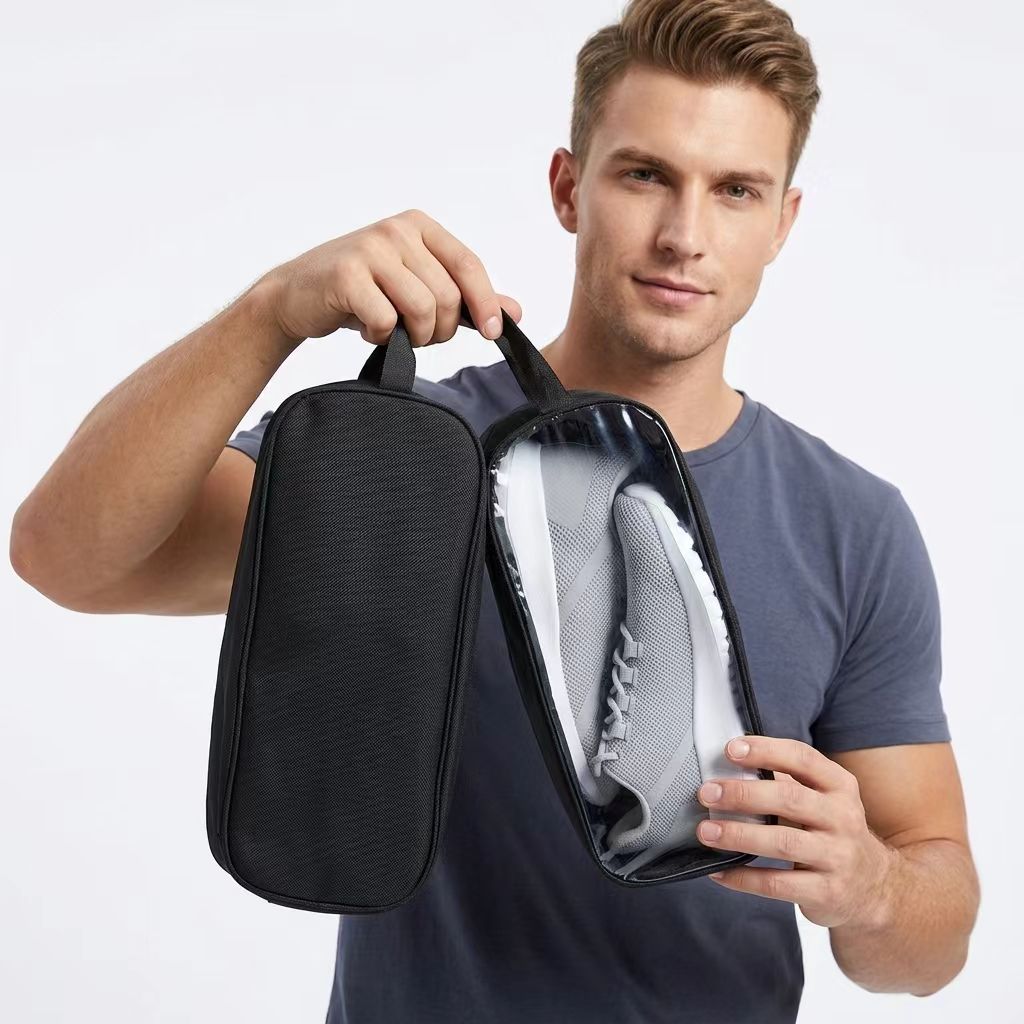
A dedicated shoe bag is a small but transformative travel accessory. It keeps your clean clothes separate from dirty soles, protects delicate footwear, and brings order to your luggage.
best-shoe-bags-for-travel