Choose the Right Custom Bag Manufacturer
How to Choose the Right Custom Bag Manufacturer for Your Brand
Choosing a custom bag manufacturer is one of the most critical decisions for your brand. Whether you're launching a new handbag line, sourcing promotional totes, or producing luxury backpacks, the right partner can make or break your product quality, delivery timeline, and profit margins.
This guide breaks down exactly what to look for—and what to avoid—when selecting a custom bag manufacturer.
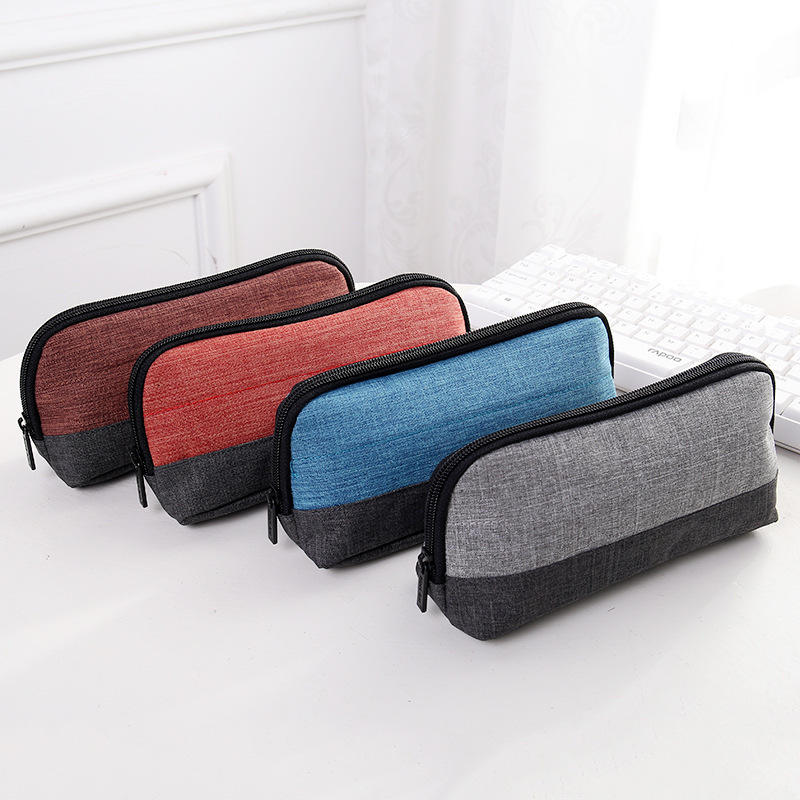
Choosing a Custom Bag Manufacturer – A Practical Guide for Buyers
Why Your Choice of Manufacturer Matters
The wrong factory leads to:
-
Poor stitching and material defects
-
Missed shipping deadlines
-
Communication breakdowns
-
Hidden costs that eat into your margin
The right manufacturer gives you:
-
Consistent quality across every batch
-
Transparent pricing with no surprises
-
Reliable lead times
-
Scalable production as you grow
-
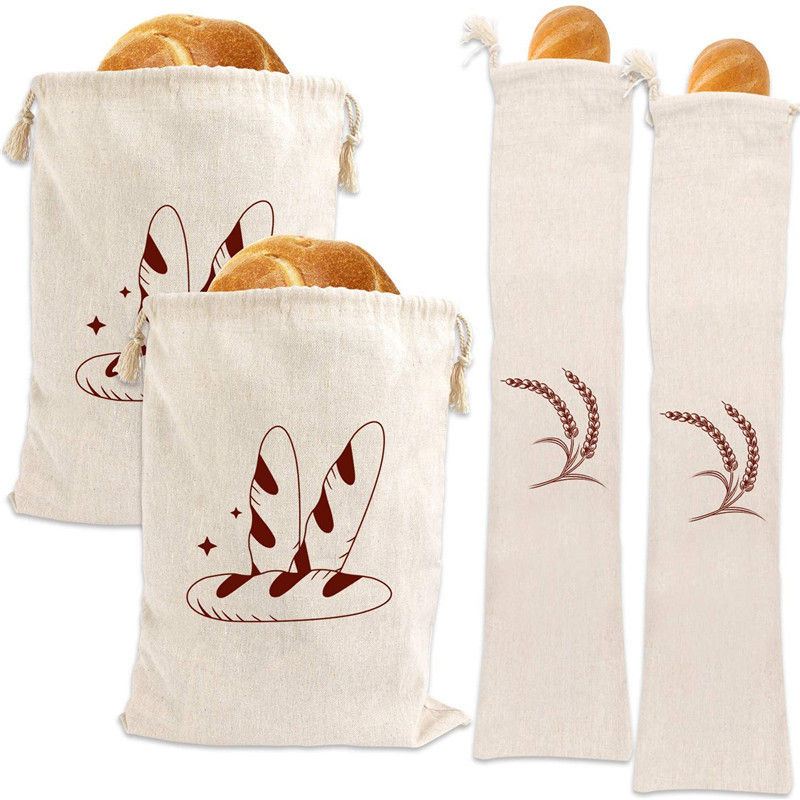
Step 1 – Define Your Product Requirements First
Before contacting any factory, get crystal clear on:
Bag Type and Material
-
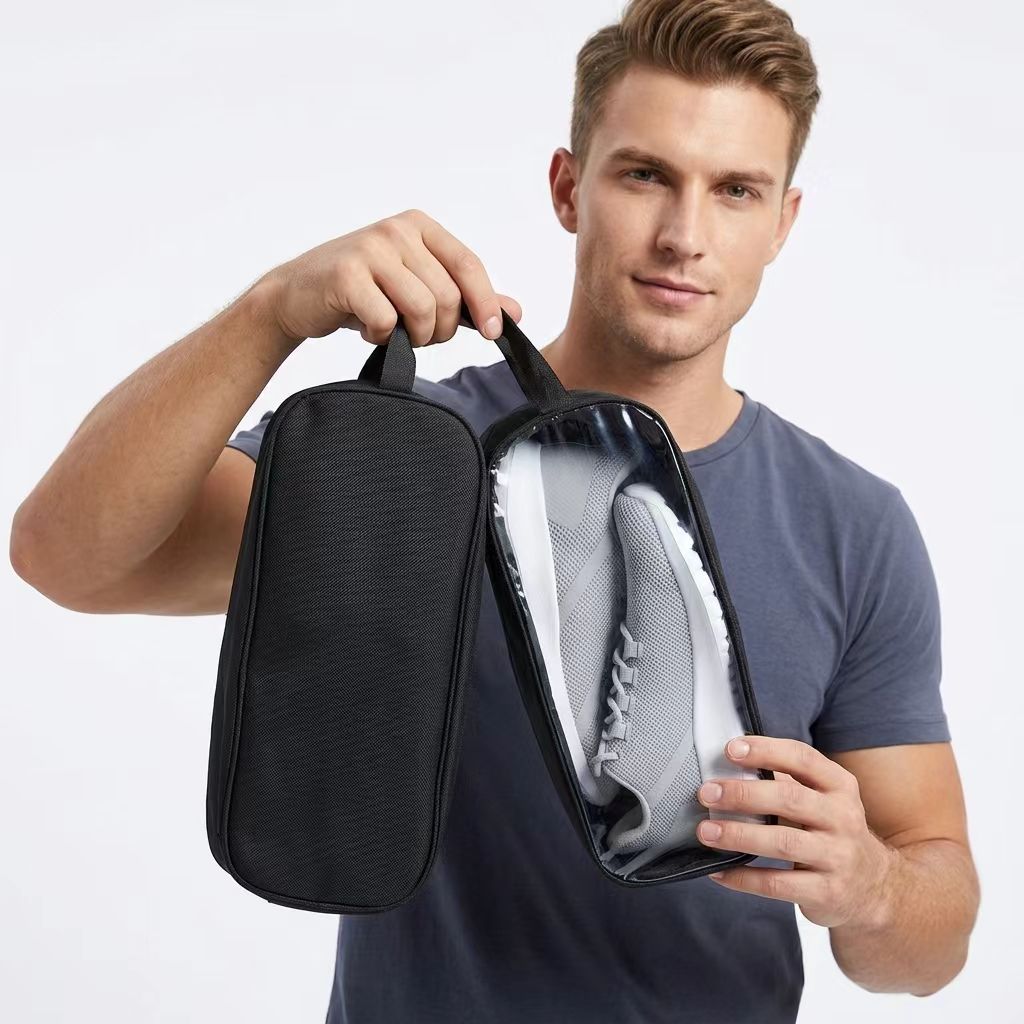
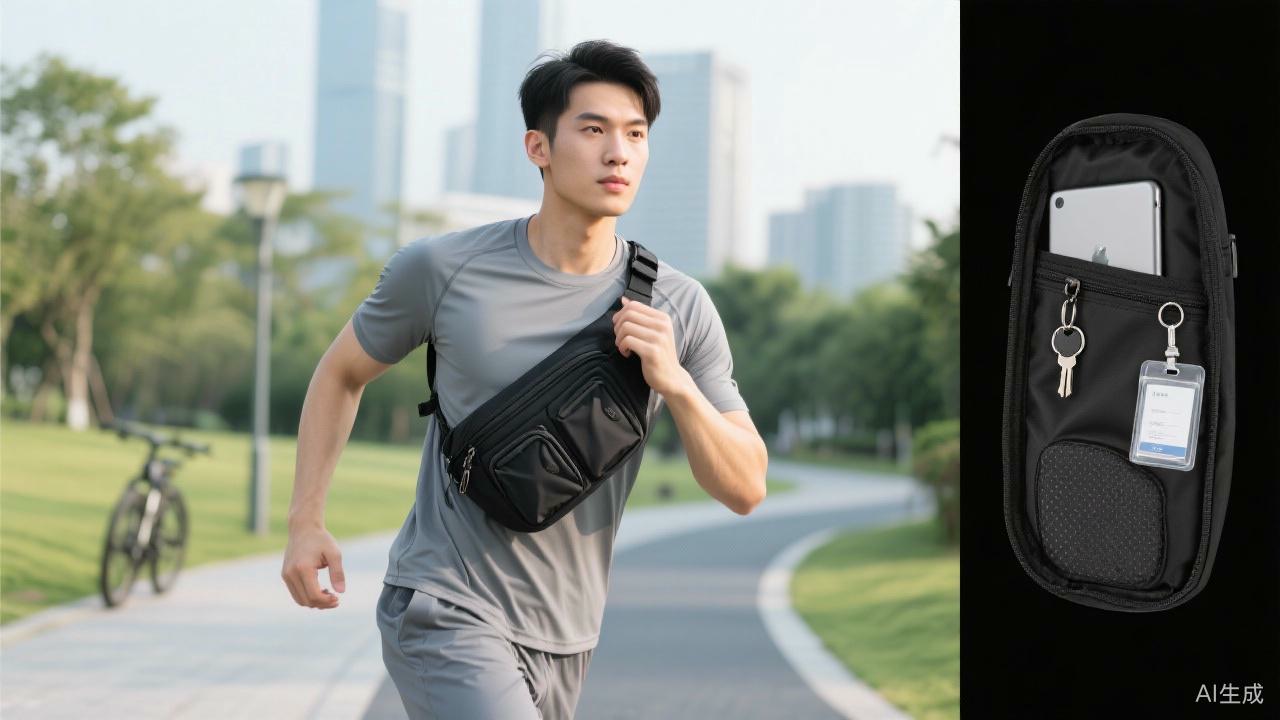
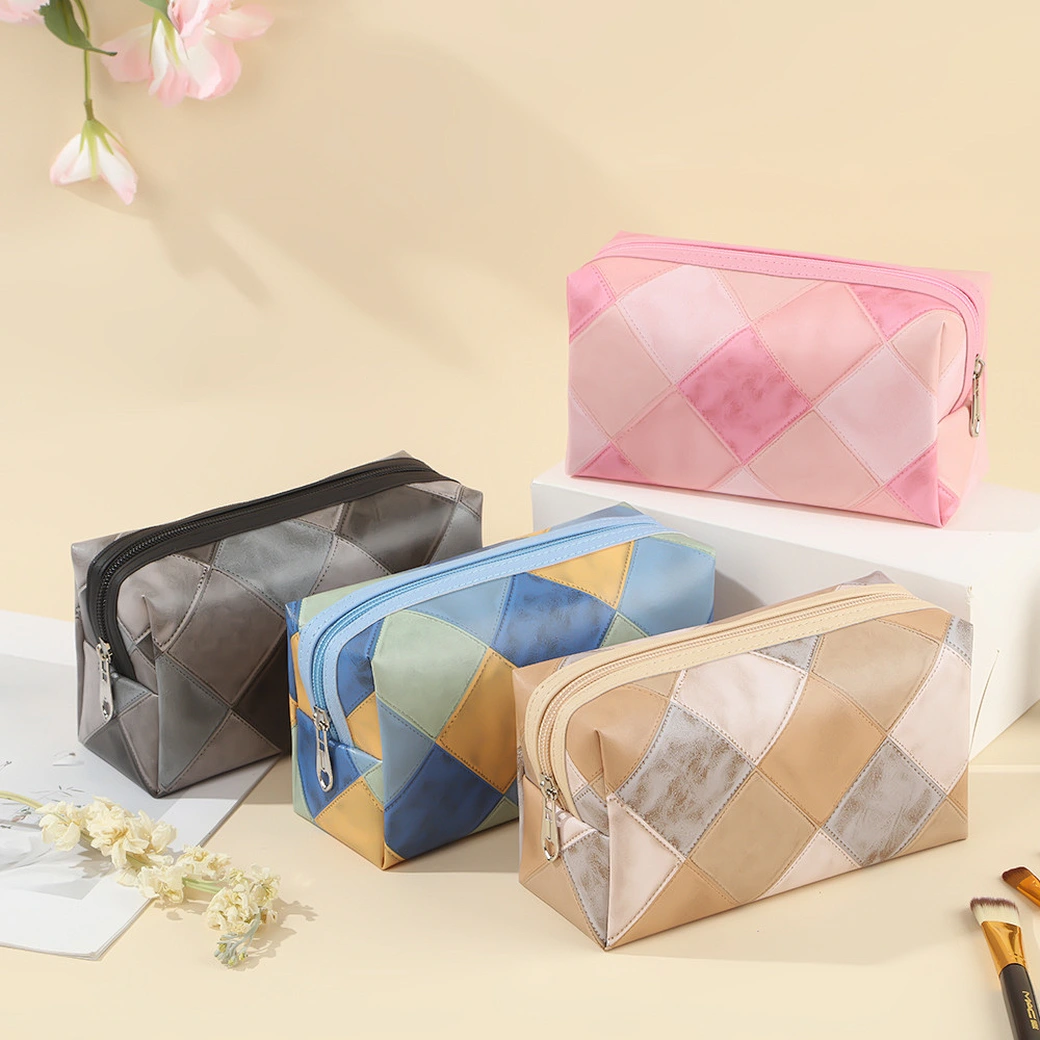
What type of bag? Handbag, backpack, duffel, cosmetic case?
-
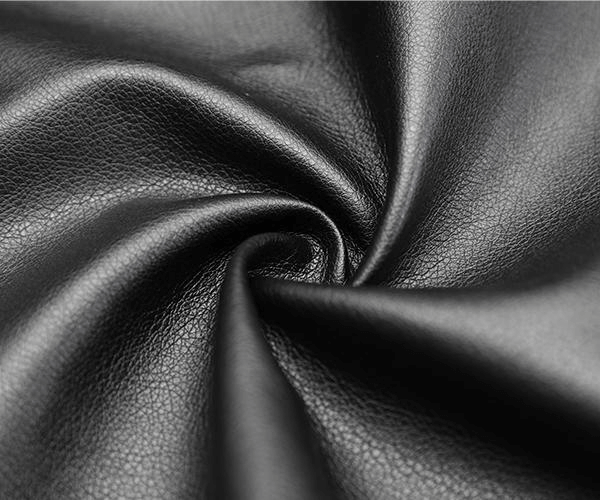
Primary material: PU leather, genuine leather, canvas, nylon, polyester?
-
Hardware: Metal zippers, magnetic snaps, D-rings?
-
Quantity and Budget
-
Minimum order quantity (MOQ): Some factories require 500–1000 pieces per style
-
Target price range per unit (FOB or EXW)
-
Are you okay with mixed MOQs across different colors?
Quality Standards
-
Stitching tolerance (e.g., stitches per inch)
-
Hardware finish requirements
-
Color matching expectations
Pro tip: Prepare a detailed spec sheet or tech pack before reaching out. Factories respect buyers who come prepared.

Step 2 – Evaluate Manufacturer Capabilities
Not all bag factories are created equal. Here's how to vet them:
Production Capacity
-
Do they specialize in your bag type?
-
What is their monthly output?
-
Can they handle rush orders if needed?
Factory Size and Location
-
Large factories (200+ workers) offer better scale but may have higher MOQs
-
Small to mid-size factories often provide more flexibility
-
Location matters: Guangdong (especially Guangzhou, Huizhou, Dongguan) is China's bag manufacturing hub
Certifications
-
ISO 9001 (quality management)
-
BSCI or Sedex (social compliance)
-
REACH or RoHS (material safety for EU markets)
-

Step 3 – Communication and Responsiveness
Language barriers kill deals. Look for:
English Proficiency
-
Can the sales team communicate clearly in written English?
-
Do they respond within 24 hours during your business day?
-
Are they proactive about clarifying unclear specs?
Transparency
-
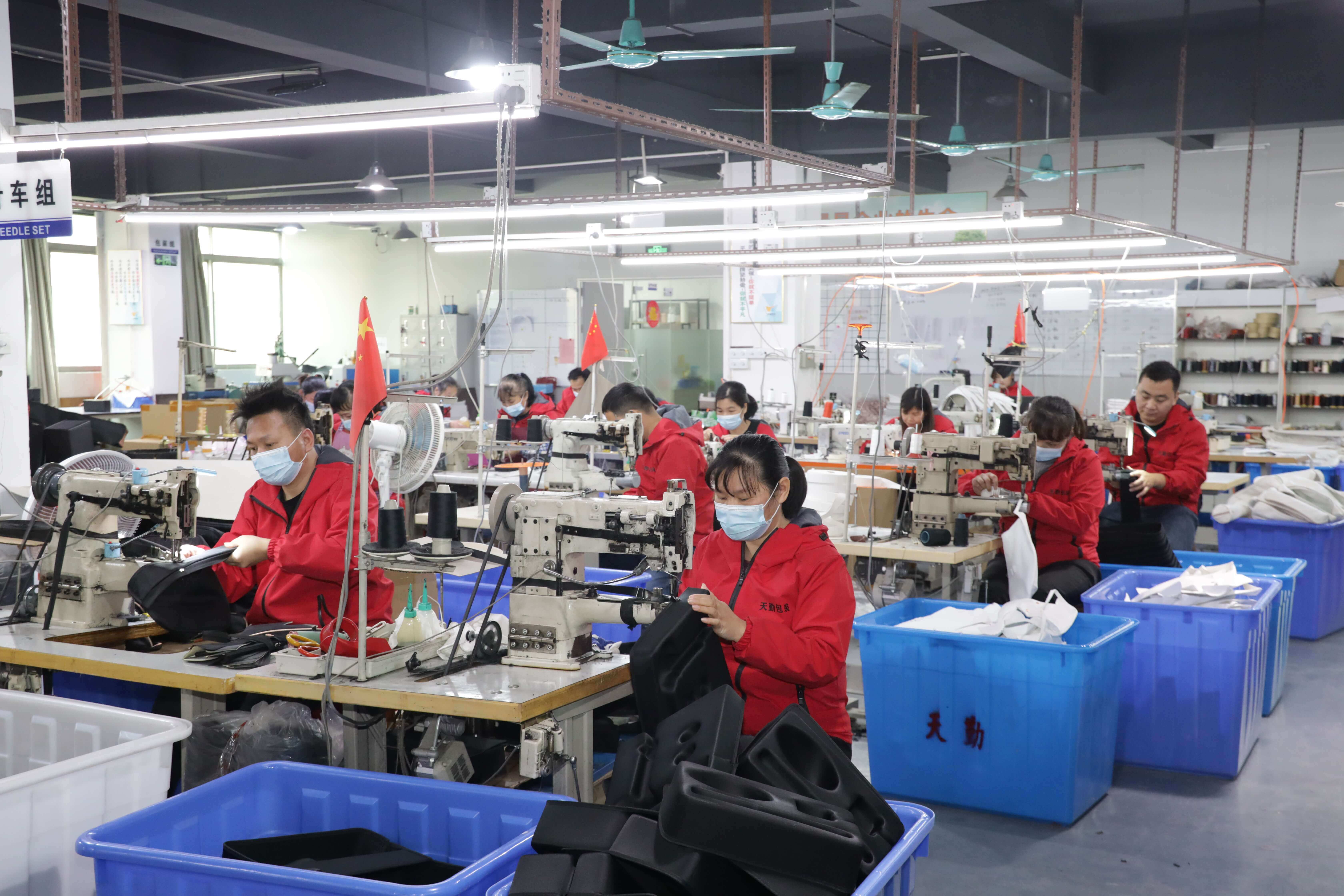
Do they share photos/videos of real production lines?
-
Are they upfront about limitations?
-
Do they provide a clear timeline with milestones?
-

Step 4 – Request Samples and Prototypes
Never commit without seeing physical samples.
Sample Types
-
Stock sample: Existing product to judge general workmanship
-
Development sample: Made from your design, usually charged separately
-
Production sample: Final approval before bulk manufacturing
What to Check on Samples
-
Stitch consistency and thread tension
-
Zipper smoothness
-
Hardware durability
-
Lining quality
-
Overall weight and feel
Warning: If a factory refuses to send samples or charges an unreasonable fee, consider it a red flag.
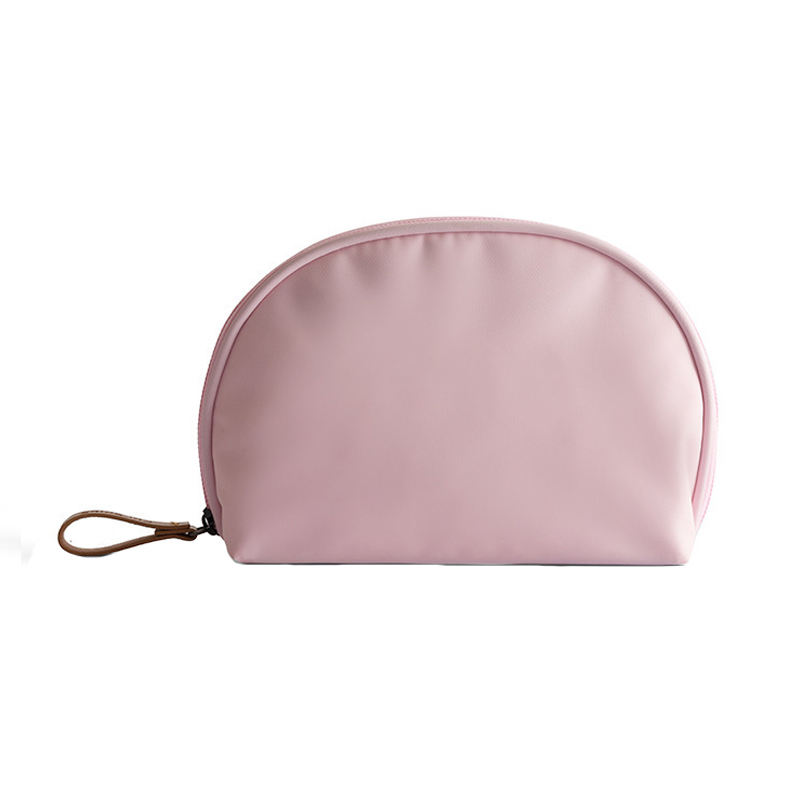
Step 5 – Understand Pricing Structure
Transparent pricing prevents disputes later.
Typical Cost Breakdown
|
Component |
% of Total |
|---|---|
|
Materials |
40–55% |
|
Labor |
20–30% |
|
Hardware & trims |
10–15% |
|
Packaging |
5–10% |
|
Overhead & profit |
5–10% |
Key Terms to Clarify
-
FOB (Free on Board): Price includes delivery to port
-
EXW (Ex Works): You arrange pickup and shipping
-
CIF (Cost, Insurance, Freight): All-inclusive to destination port
-
Payment terms: Typically 30% deposit, 70% before shipment
-
Step 6 – Quality Control and Inspection
Don't rely on trust alone. Build quality checks into your process.
Inline vs. Final Inspection
-
Inline inspection: During production (catches issues early)
-
Final random inspection: Before shipment (AQL standard: normally 2.5 for major defects)
Third-Party Inspectors
-
Companies like SGS, Bureau Veritas, or QIMA can inspect on your behalf
-
Cost: 300–600 per visit depending on location and scope
-

Step 7 – Lead Times and Shipping
Plan backward from your launch date.
Typical Timeline
|
Stage |
Duration |
|---|---|
|
Sample development |
7–15 days |
|
Sample revision (if needed) |
5–10 days |
|
Bulk production |
25–45 days |
|
Shipping (sea freight) |
15–35 days |
Shipping Options
-
Sea freight: Most economical for large orders
-
Air freight: Faster but 3–5x more expensive
-
Express courier (DHL/FedEx): For small quantities or urgent samples
-
Red Flags to Watch Out For
Avoid manufacturers that:
-
Promise unrealistic prices (50% below market average)
-
Cannot show you a live video tour of their factory
-
Demand full payment before production starts
-
Have no online presence or verifiable client references
-
Change quoted prices after you place an order
Conclusion – Your Checklist for Success
|
✅ |
Action Item |
|---|---|
|
☐ |
Define your product specs and budget |
|
☐ |
Research 3–5 potential manufacturers |
|
☐ |
Verify certifications and factory size |
|
☐ |
Request and review physical samples |
|
☐ |
Get detailed written quotations |
|
☐ |
Negotiate payment terms and timeline |
|
☐ |
Arrange third-party inspection |
|
☐ |
Confirm shipping method and insurance |
Finding the right custom bag manufacturer takes time, but it's an investment that pays off in consistent quality, reliable delivery, and long-term partnership.
Start with a shortlist, test with a small order, and scale once trust is built.
Need help finding vetted bag manufacturers in China? Contact us for a free consultation and factory matching service.
best-shoe-bags-for-travel
Related Article