Right Zipper for Handbags
How to Choose the Right Zipper for Handbags: A Manufacturer's Guide to Quality & Design
The zipper is a handbag's most critical functional hardware. Choosing the wrong one can lead to customer frustration, product returns, and brand damage. This guide provides a clear, professional framework for selecting the perfect zipper for durability, aesthetics, and user experience.
More Than a Closure: The Core Functions of a Handbag Zipper
A quality zipper must seamlessly balance three roles: it is a secure closure, a primary point of user interaction, and a key design element. Its performance defines the bag's perceived quality from the very first use.
The Cost of Compromise
-
A Poor Zipper: Catches fabric, splits open under pressure, has a flimsy puller that breaks, or a slider that corrodes. It fails quickly, rendering the entire bag unusable.
-
The Right Zipper: Operates smoothly for thousands of cycles, withstands overstuffing, feels substantial in the hand, and complements the bag's design. It builds trust in your brand.
Zipper Types: Matching Construction to Bag Design
The first choice is selecting the fundamental zipper construction. Each has distinct advantages and ideal applications.
1. Coil Zipper (Nylon/Polyester)
Made from spiraled polyester or nylon monofilament stitched onto the tape.
-
Best For: Lightweight bags, backpacks, inner organizational pockets, luggage liners, and curved seams.
-
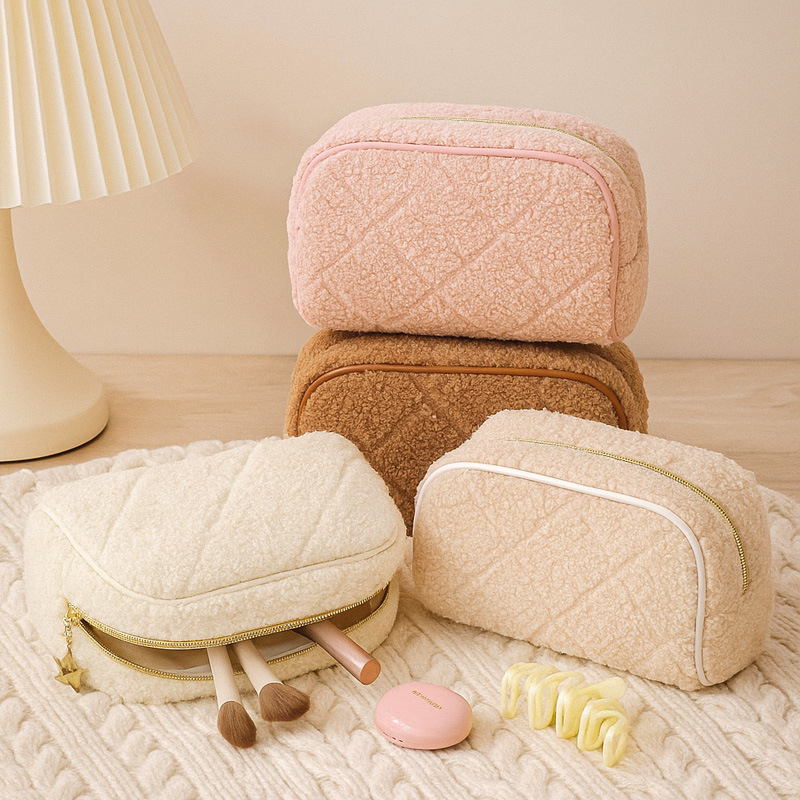
Pros: Extremely flexible, lightweight, and resistant to pull-apart stress. Can be repaired if a tooth is damaged. Often the most affordable option.
-
Cons: Less durable against abrasion over time. Has a more casual, technical appearance.
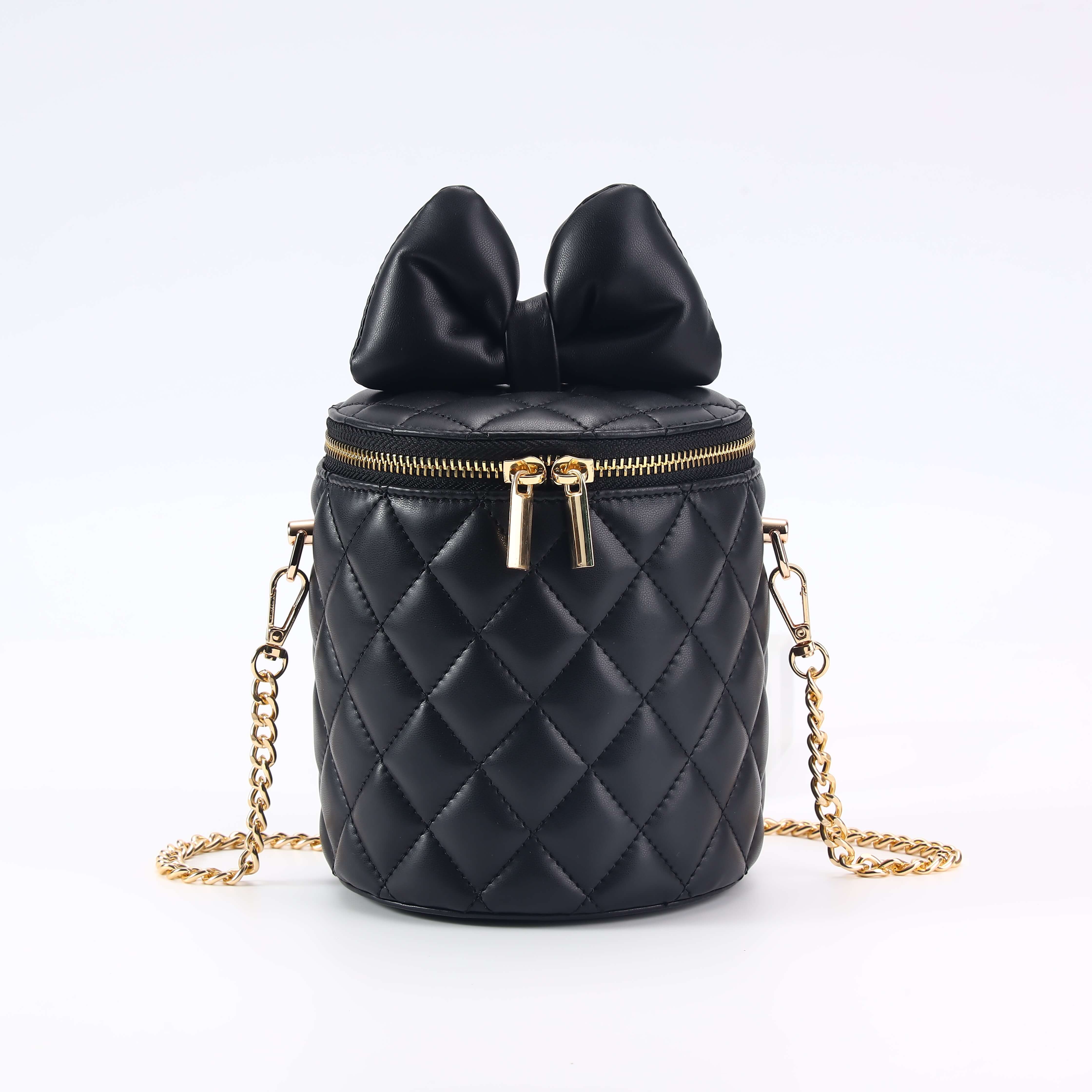
2. Tooth (Molded Vislon) Zipper
Teeth are individual plastic (typically Delrin® or polyacetal) units molded onto the tape.
-
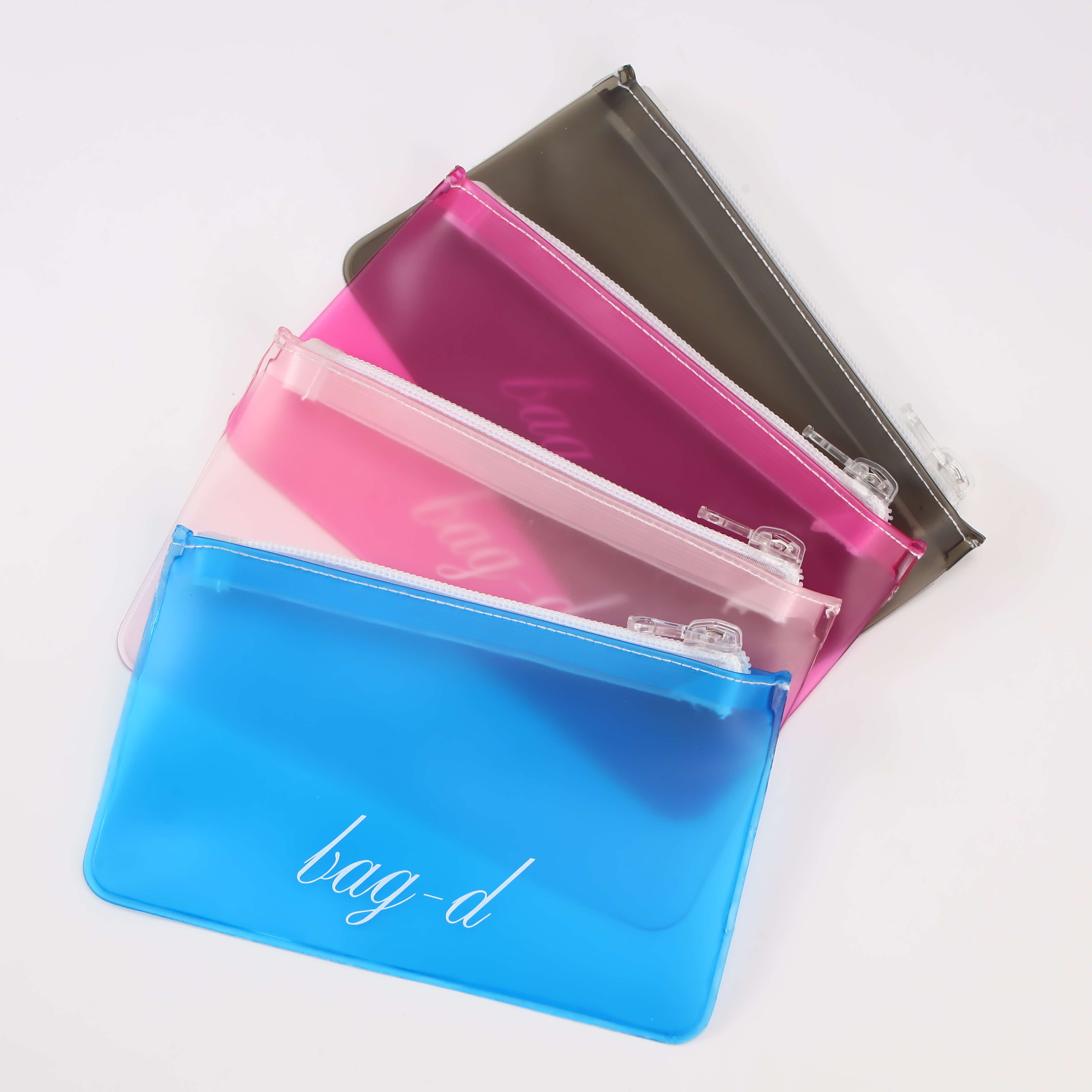
Best For: Casual totes, lunch bags, pencil cases, kids' bags, and outdoor gear. Excellent for water-resistant designs.
-
Pros: Very durable, colorfast (can be matched to fabric perfectly), and resistant to saltwater and corrosion. Provides a clean, uniform look.
-
Cons: Less flexible than coil zippers. Teeth can break if severely twisted or forced.
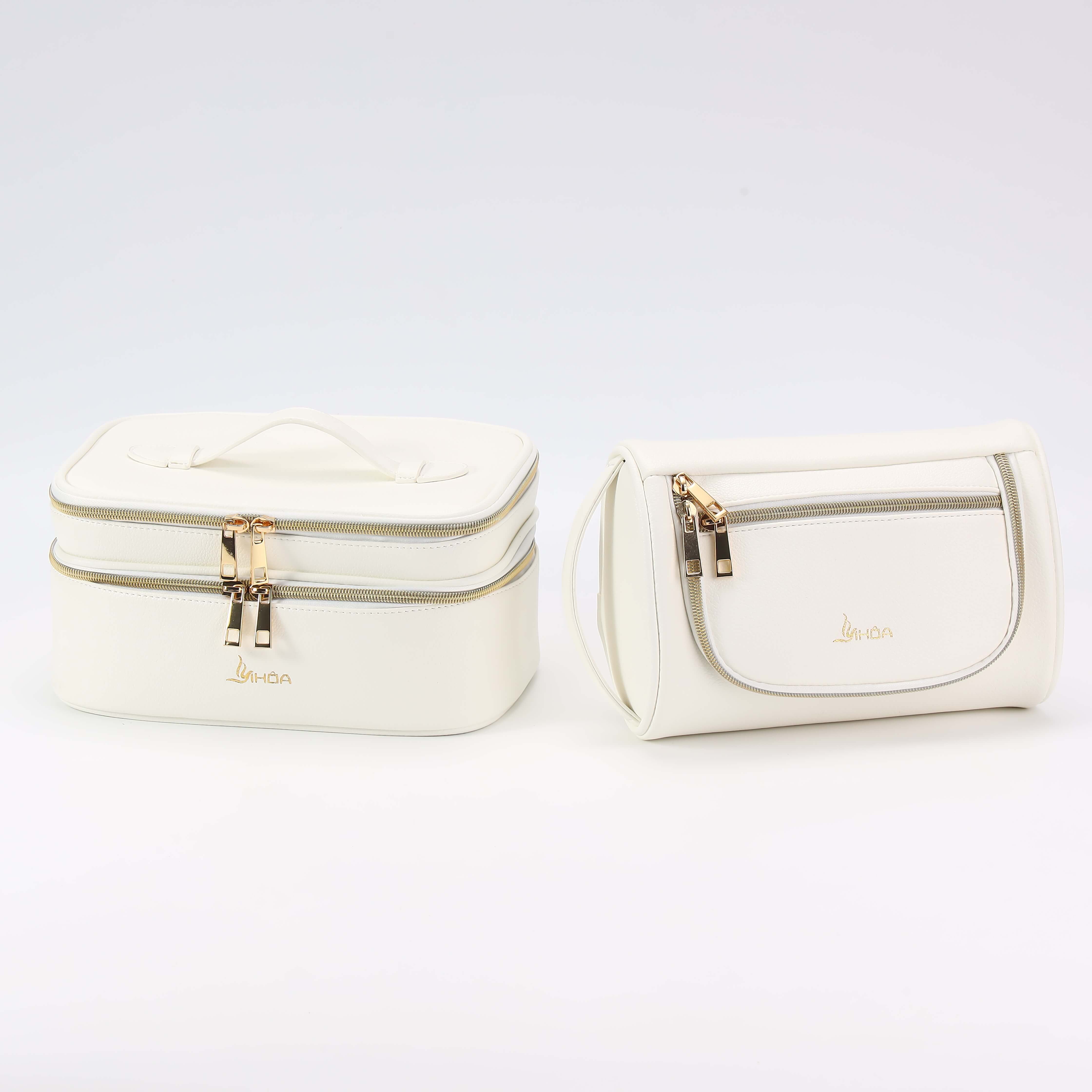
3. Metal Zipper
Teeth are made of individual pieces of aluminum, brass, nickel, or antique-finish alloys.
-
Best For: Premium handbags, leather goods, denim bags, jackets, and fashion statements where aesthetic appeal is paramount.
-
Pros: Offers superior strength, a luxurious and substantial feel, and a classic, high-end appearance. Develops a desirable patina over time (brass).
-
Cons: Heavier, more expensive. Can corrode if not properly finished (e.g., brass requires a protective coating). Teeth can bend if mishandled.
The Key Specifications: A Detailed Breakdown
Beyond type, these specifications determine performance and suitability.
Size/Number: Indicating Strength
Denoted by a number (e.g., #3, #5, #8). This refers to the width of the teeth in millimeters when closed.
-
#3 - #4.5: Delicate/Detail Use. Ideal for small pockets, wallets, and clutches.
-
#5: Standard Handbag Use. The most common and versatile size for main compartments of medium-sized bags.
-
#8 - #10: Heavy-Duty Use. For large totes, travel bags, duffels, and backpacks where high strength is required.
Tape: The Structural Foundation
The fabric strips on either side of the teeth. Quality here is critical.
-
Material: Polyester tape is standard for strength and colorfastness. For premium bags, consider matching leather or fabric tapes for a seamless, bespoke look.
-
Width: Must be appropriate for the seam allowance of your bag design. A too-narrow tape is a weak point.
Slider & Puller: The User Interface
This is the part the customer touches and manipulates daily.
-
Locking Mechanism:
-
Auto-Lock (Pin-Lock): The slider locks in place automatically at any point. Essential for any bag that will be carried upright (like a tote or backpack) to prevent the slider from sliding open.
-
Non-Lock: Slider moves freely. Only suitable for stationary or always-horizontal applications (like a pouch inside a suitcase).
-
-
Puller Design: Must be ergonomic and proportionate to the bag. Options include metal pulls, leather tabs, fabric loops, or custom-branded pulls. This is a major branding opportunity.
Selection Guide: Matching the Zipper to the Bag
Follow this decision matrix based on the bag's purpose, user, and material.
For the Premium Leather Handbag
-
Priority: Luxury aesthetic, smooth operation, durable feel.
-
Our Recommendation: A #5 brass or antique-finish metal zipper with an auto-lock slider and a leather-tab puller. Ensure the metal finish is protected against tarnish. The tape should be a sturdy, color-matched polyester.
For the Everyday Canvas Tote
-
Priority: Durability, cost-effectiveness, resistance to elements.
-
Our Recommendation: A #5 or #8 molded plastic (Vislon) zipper in a color-matched tone. The plastic is resistant to sun, salt, and moisture. An auto-lock slider with a substantial plastic or metal pull is key.
For the Technical Backpack or Travel Bag
-
Priority: Maximum strength, waterproofing, and reliability.
-
Our Recommendation: A #8 or #10 coil zipper (like YKK's RC line) for flexibility and strength. Pair it with a water-resistant coating (Aquaguard®) and a large, easy-to-grab puller for use with gloves. A double slider allows opening from both ends.
For the Small Leather Good/Pouch
-
Priority: Refined detail, smooth operation on a small scale.
-
Our Recommendation: A #3 or #4.5 metal or fine coil zipper with a small, elegant pull. For a clutch, a non-lock slider may be acceptable.
The Manufacturer's Perspective: Key Questions for Your Factory
When sourcing or manufacturing, use this checklist to ensure zipper quality.
For Brands & Designers: Specifying Your Zipper
When providing a tech pack, specify:
-
Type: (e.g., Brass Metal Zipper).
-
Size/Number: (e.g., #5).
-
Tape Color & Width: (e.g., 40mm wide, RAL 9005 Black tape).
-
Slider & Pull Details: (e.g., Auto-lock slider with 5cm black leather pull tab).
-
Length: The exact finished length needed.
Questions to Ask Your Supplier/Factory
-
"Can you provide a certificate of compliance (e.g., for lead content, CPSIA) for these metal zippers?"
-
"What is the cycle test rating for this zipper model?" (A quality zipper should exceed 5,000 test cycles).
-
"Do you offer waterproof or water-resistant zipper options (like Aquaguard®) for this style?"
-
"Can we get custom-color matched tapes or molded teeth for our ODM project, and what is the MOQ?"
Choosing the right zipper is a strategic design decision that fuses engineering with aesthetics. By understanding the types, specifications, and matching them to the bag's end use, you ensure the product not only looks professional but also delivers flawless, long-lasting performance that satisfies the most discerning customer.
Need expert guidance sourcing or specifying zippers for your next handbag line? This level of component-level detail is part of our daily partnership with brands. As a professional manufacturer, we provide material swatches, tested supplier recommendations, and ensure every hardware component, down to the zipper, meets our quality standards. Contact us to discuss your next project.
best-waist-bags
what-is-a-quilted-bag
Related Article