what is microfiber leather
2025-12-03
Explore Microfiber Leather: A Sustainable Luxury Option for Handbag Manufacturing
What is Microfiber Leather?
Microfiber leather, also known as microfiber leather, is the "third generation of synthetic leather" after PVC and PU leather, and is widely recognized as the highest-grade synthetic leather material currently available. This innovative material is composed of microfibers (usually polyester or nylon) combined with a polyurethane (PU) resin coating, manufactured using precise needle-punched nonwoven fabric technology and mechanical calendering processes.
The production process of microfiber leather begins by entangled microfibers with a diameter of only 0.5-1 denier (5 times thinner than a human hair) using needles to form a tear-resistant nonwoven substrate. Subsequently, a polyurethane coating is applied to the microfiber substrate using either a wet process (liquid PU infiltration curing) or a dry process (PU film hot-press lamination). Finally, it is calendered using hot rollers to imprint a uniform leather texture, ranging from subtle pebbly patterns to bold embossed designs.
Unlike regular PU leather, which uses a traditional fabric base, microfiber leather uses a microfiber base, giving it superior breathability, strength, and durability. Despite being a fully synthetic material, high-quality microfiber leather visually and tactilely mimics genuine leather, while offering several performance advantages that genuine leather lacks.
Superior Properties of Microfiber Leather
Durability and Practicality
Microfiber leather excels in many performance indicators, with its abrasion resistance being particularly outstanding. It typically withstands over 150,000 Martindale abrasion tests, far exceeding the 30,000-50,000 cycles of ordinary genuine leather. This makes it especially suitable for making handbags and luggage that require frequent use.
Microfiber leather also possesses hydrolysis resistance, maintaining stable performance even in humid environments. Its surface exhibits excellent UV resistance; after 500 hours of UV exposure, the color change (ΔE) is less than 1.5, superior to the ΔE of 3-5 for genuine leather. The material also boasts waterproof and stain-resistant properties. The PU resin coating effectively prevents liquid penetration, making cleaning and maintenance easier.
Comfort and Environmental Advantages
Despite being a synthetic material, high-quality microfiber leather offers excellent breathability. Its microporous structure allows air circulation, preventing users from feeling stuffy upon contact. The addition of nanomaterials such as SiO₂ and TiO₂ further optimizes its moisture conduction performance.
From an environmental perspective, microfiber leather, as a vegan material, does not involve animal ingredients, aligning with ethical and cruelty-free values. Compared to traditional leather production, its manufacturing process does not use chrome tanning agents, reducing environmental impact. However, it's important to note that as a petroleum-based synthetic material, microfiber leather production still relies on non-renewable resources and carries the potential for microplastic pollution.
Comparison of Microfiber Leather with Other Materials
To more clearly demonstrate the advantages of microfiber leather, the following is a comparison with other common leather materials:
What is Microfiber Leather?
Microfiber leather, also known as microfiber leather, is the "third generation of synthetic leather" after PVC and PU leather, and is widely recognized as the highest-grade synthetic leather material currently available. This innovative material is composed of microfibers (usually polyester or nylon) combined with a polyurethane (PU) resin coating, manufactured using precise needle-punched nonwoven fabric technology and mechanical calendering processes.
The production process of microfiber leather begins by entangled microfibers with a diameter of only 0.5-1 denier (5 times thinner than a human hair) using needles to form a tear-resistant nonwoven substrate. Subsequently, a polyurethane coating is applied to the microfiber substrate using either a wet process (liquid PU infiltration curing) or a dry process (PU film hot-press lamination). Finally, it is calendered using hot rollers to imprint a uniform leather texture, ranging from subtle pebbly patterns to bold embossed designs.
Unlike regular PU leather, which uses a traditional fabric base, microfiber leather uses a microfiber base, giving it superior breathability, strength, and durability. Despite being a fully synthetic material, high-quality microfiber leather visually and tactilely mimics genuine leather, while offering several performance advantages that genuine leather lacks.
Superior Properties of Microfiber Leather
Durability and Practicality
Microfiber leather excels in many performance indicators, with its abrasion resistance being particularly outstanding. It typically withstands over 150,000 Martindale abrasion tests, far exceeding the 30,000-50,000 cycles of ordinary genuine leather. This makes it especially suitable for making handbags and luggage that require frequent use.
Microfiber leather also possesses hydrolysis resistance, maintaining stable performance even in humid environments. Its surface exhibits excellent UV resistance; after 500 hours of UV exposure, the color change (ΔE) is less than 1.5, superior to the ΔE of 3-5 for genuine leather. The material also boasts waterproof and stain-resistant properties. The PU resin coating effectively prevents liquid penetration, making cleaning and maintenance easier.
Comfort and Environmental Advantages
Despite being a synthetic material, high-quality microfiber leather offers excellent breathability. Its microporous structure allows air circulation, preventing users from feeling stuffy upon contact. The addition of nanomaterials such as SiO₂ and TiO₂ further optimizes its moisture conduction performance.
From an environmental perspective, microfiber leather, as a vegan material, does not involve animal ingredients, aligning with ethical and cruelty-free values. Compared to traditional leather production, its manufacturing process does not use chrome tanning agents, reducing environmental impact. However, it's important to note that as a petroleum-based synthetic material, microfiber leather production still relies on non-renewable resources and carries the potential for microplastic pollution.
Comparison of Microfiber Leather with Other Materials
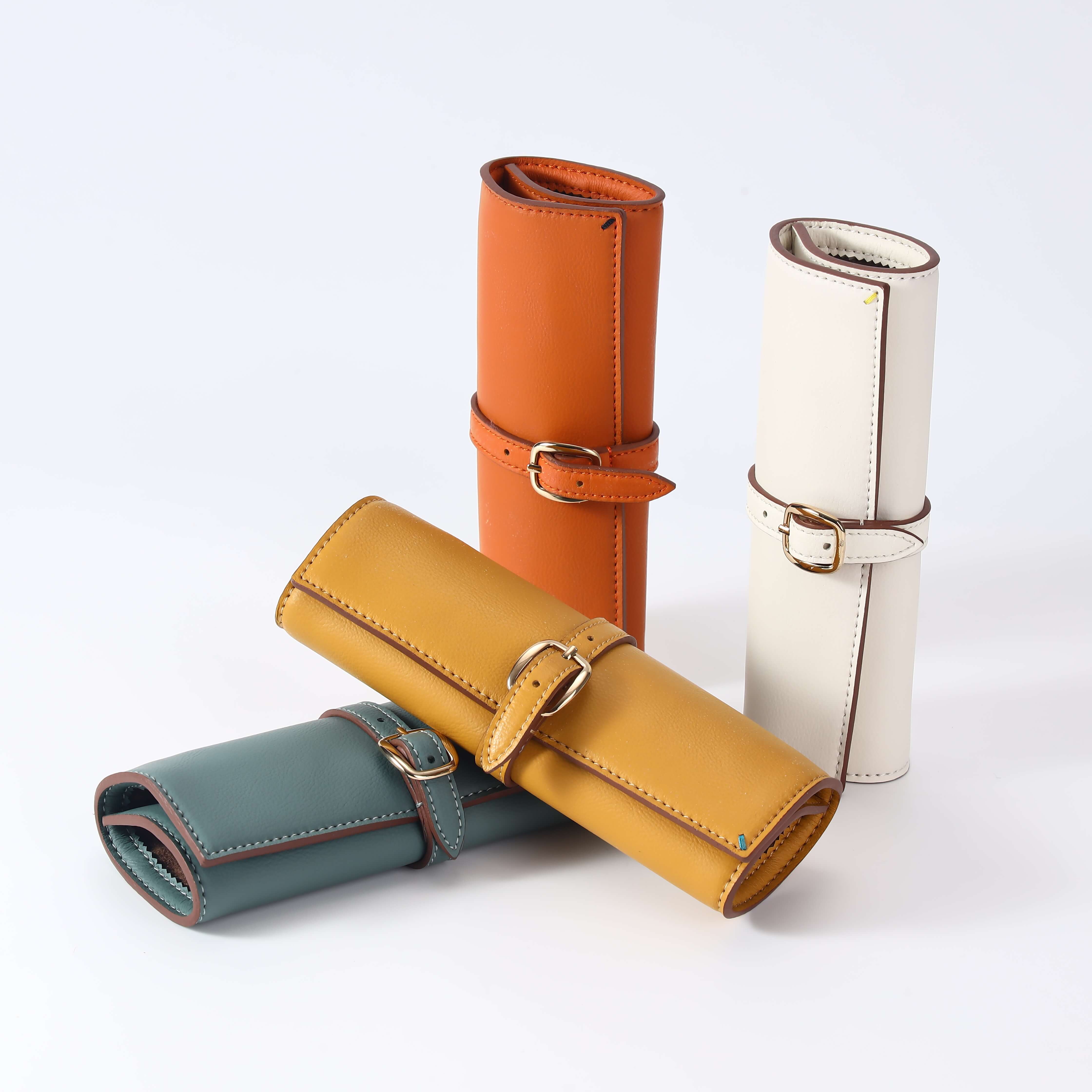
To more clearly demonstrate the advantages of microfiber leather, the following is a comparison with other common leather materials:
| Features | Microfiber leather | Genuine Leather | PU leather | PVC leather |
| Origin | Microfiber + PU | Animal hides | Fabric + PU | Fabric + PVC |
| Quality Grade | Top-grade synthetic leather | Various | Medium-grade synthetic | Low-grade synthetic |
| Durability | Very high | High | Medium | Lower grade |
| Breathability | Medium to high | High | Medium | Low grade |
| Feel | Soft, consistent | Natural, unique | Consistent | Slightly stiff, plastic feel |
| Cost | Relatively high (among synthetic leathers) | Generally higher | Medium | Low grade |
| Environmental Impact | No animal ingredients, but derived from petroleum | Involves livestock farming and tanning processes | Petroleum-based, poor biodegradability | Petroleum-based, contains plasticizers |
Microfiber leather also has a weight advantage, with a specific gravity of approximately 0.3, significantly lighter than genuine leather's 0.6. This characteristic makes it particularly advantageous in the production of large handbags and suitcases, effectively reducing the overall weight of the product.
Applications of Microfiber Leather in Handbag Manufacturing
The malleability and consistency of microfiber leather make it an ideal material for handbag manufacturing. It can be cut and sewn into various complex designs, and its uniform thickness and texture improve production efficiency. Unlike genuine leather, microfiber leather has no natural imperfections or thickness variations, resulting in higher material utilization—approximately 20-30% higher than genuine leather.
In handbag design, microfiber leather can achieve a variety of effects through embossing—from standard matte smooth textures to luxurious patterns resembling crocodile and ostrich leather. Its excellent dyeing properties allow for an almost unlimited selection of vibrant and long-lasting colors, meeting the color consistency and diversity requirements of fashion brands.
For functional handbag products, microfiber leather exhibits excellent weather resistance, remaining soft and resistant to cracking even at -20°C. Its PU surface reflects sunlight, resulting in a lower surface temperature in hot environments compared to dark genuine leather.
Common Misconceptions about Microfiber Leather
Misconception 1: "Synthetic leather is of lower quality"
In fact, with technological advancements, high-quality microfiber leather has surpassed many mid- to low-grade genuine leathers in terms of abrasion resistance, durability, and consistency. Many luxury brands are now using premium microfiber leather in their product lines, especially in markets where sustainability and ethical considerations are important selling points.
Misconception 2: "Not breathable"
Contrary to popular belief, premium microfiber leather has a microporous structure that allows air to circulate, making it suitable for handbags and linings where breathability is crucial. Its breathability can be further enhanced by adding nanomaterials.
Misconception 3: "Looks cheap"
Early synthetic leathers did have a cheap appearance, but modern microfiber leather can highly mimic the texture and sheen of genuine leather. Through advanced embossing and coloring techniques, high-quality microfiber leather can be difficult for even experienced professionals to distinguish from genuine leather by sight and touch alone.
Care Guide for Premium Microfiber Leather
The ease of maintenance is another major advantage of microfiber leather. For daily cleaning, simply wipe with a damp cloth; no special leather cleaner or conditioner is needed.
For different types of stains, the following methods can be used:
• Oily stains: Absorb excess oil with a paper towel, sprinkle with cornstarch or talcum powder, leave for 30 minutes, then brush off and wipe clean.
• Ink stains: Gently dab with a cotton swab dipped in a small amount of isopropyl alcohol, avoiding rubbing to prevent the stain from spreading.
• Food and beverage stains: Wipe immediately with a damp cloth. If residue remains, use mild soapy water.
To extend the lifespan of your microfiber leather handbag, it is recommended to avoid prolonged exposure to direct sunlight. The ideal storage temperature is between 5-30°C. Apply a silicone-based protective spray every 6-12 months to enhance its water and stain resistance.
Factory Introduction
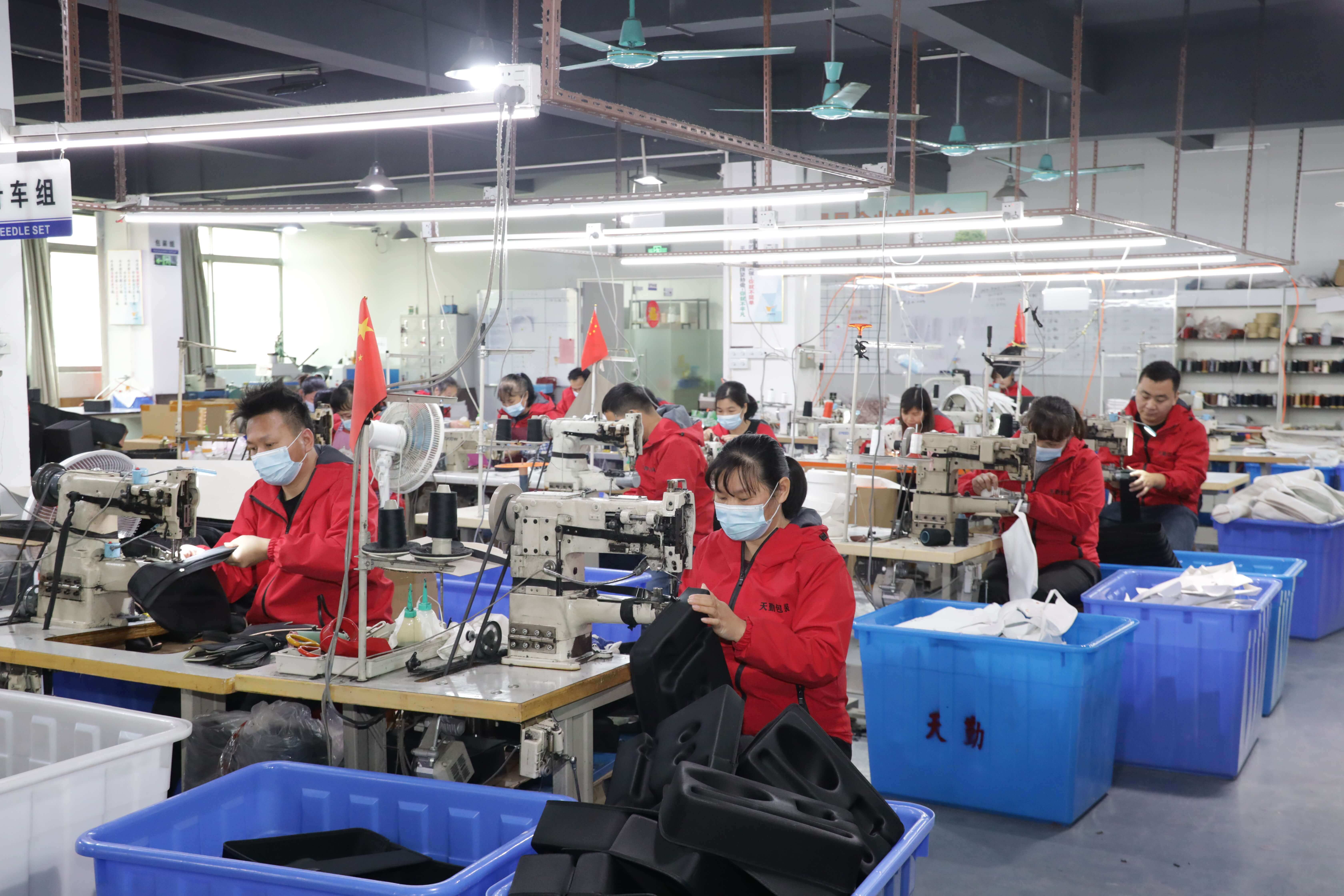
Dongguan Tianqin Packaging Products Co., Ltd., established in 2011 and located in Wanjiang Street, Dongguan City, Guangdong Province, is an enterprise specializing in the design, production, and customization of leather products, fabric and paper packaging boxes, and various bags.
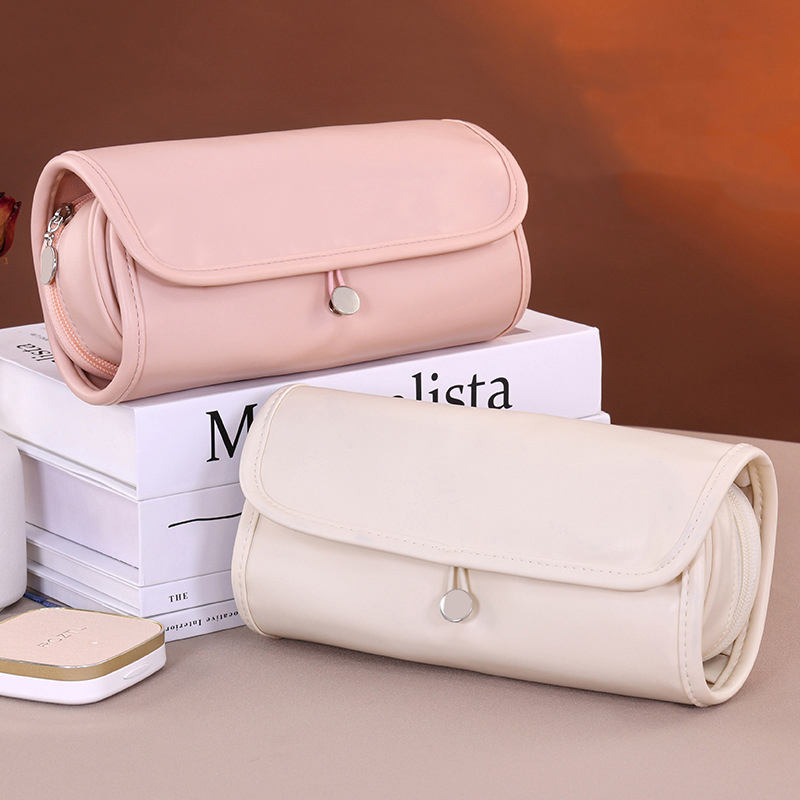
The company boasts a complete production system, offering customized services based on provided designs and samples, and one-on-one professional support. Its main products cover a diverse range of sewing and packaging products, including cosmetic bags, jewelry bags, tool bags, shopping bags, leather luggage, jewelry boxes, and gift boxes. Products are exported to numerous international markets, including Japan, Europe, America, and South Korea.
Tianqin Packaging's mission is to "innovate the packaging industry," adhering to the principles of high quality and high efficiency, and committed to providing clients with personalized product solutions.

Conclusion
As a high-end synthetic leather, microfiber leather offers a viable alternative to genuine leather in handbag manufacturing, combining aesthetics, durability, ease of maintenance, and ethical advantages. With advancements in materials science, the quality of microfiber leather continues to improve, gradually narrowing the gap with natural leather.
For contemporary consumers who value sustainability and animal ethics, and for brands seeking high cost-effectiveness and consistent quality, microfiber leather represents a beautiful combination of material innovation and market demand. As a handbag manufacturer, we believe this material will continue to lead industry transformation in the coming years, providing consumers with more diverse and responsible choices.

Applications of Microfiber Leather in Handbag Manufacturing
The malleability and consistency of microfiber leather make it an ideal material for handbag manufacturing. It can be cut and sewn into various complex designs, and its uniform thickness and texture improve production efficiency. Unlike genuine leather, microfiber leather has no natural imperfections or thickness variations, resulting in higher material utilization—approximately 20-30% higher than genuine leather.
In handbag design, microfiber leather can achieve a variety of effects through embossing—from standard matte smooth textures to luxurious patterns resembling crocodile and ostrich leather. Its excellent dyeing properties allow for an almost unlimited selection of vibrant and long-lasting colors, meeting the color consistency and diversity requirements of fashion brands.
For functional handbag products, microfiber leather exhibits excellent weather resistance, remaining soft and resistant to cracking even at -20°C. Its PU surface reflects sunlight, resulting in a lower surface temperature in hot environments compared to dark genuine leather.

Common Misconceptions about Microfiber Leather
Misconception 1: "Synthetic leather is of lower quality"
In fact, with technological advancements, high-quality microfiber leather has surpassed many mid- to low-grade genuine leathers in terms of abrasion resistance, durability, and consistency. Many luxury brands are now using premium microfiber leather in their product lines, especially in markets where sustainability and ethical considerations are important selling points.
Misconception 2: "Not breathable"
Contrary to popular belief, premium microfiber leather has a microporous structure that allows air to circulate, making it suitable for handbags and linings where breathability is crucial. Its breathability can be further enhanced by adding nanomaterials.
Misconception 3: "Looks cheap"
Early synthetic leathers did have a cheap appearance, but modern microfiber leather can highly mimic the texture and sheen of genuine leather. Through advanced embossing and coloring techniques, high-quality microfiber leather can be difficult for even experienced professionals to distinguish from genuine leather by sight and touch alone.

Care Guide for Premium Microfiber Leather
The ease of maintenance is another major advantage of microfiber leather. For daily cleaning, simply wipe with a damp cloth; no special leather cleaner or conditioner is needed.
For different types of stains, the following methods can be used:
• Oily stains: Absorb excess oil with a paper towel, sprinkle with cornstarch or talcum powder, leave for 30 minutes, then brush off and wipe clean.
• Ink stains: Gently dab with a cotton swab dipped in a small amount of isopropyl alcohol, avoiding rubbing to prevent the stain from spreading.
• Food and beverage stains: Wipe immediately with a damp cloth. If residue remains, use mild soapy water.
To extend the lifespan of your microfiber leather handbag, it is recommended to avoid prolonged exposure to direct sunlight. The ideal storage temperature is between 5-30°C. Apply a silicone-based protective spray every 6-12 months to enhance its water and stain resistance.

Factory Introduction
Dongguan Tianqin Packaging Products Co., Ltd., established in 2011 and located in Wanjiang Street, Dongguan City, Guangdong Province, is an enterprise specializing in the design, production, and customization of leather products, fabric and paper packaging boxes, and various bags.
The company boasts a complete production system, offering customized services based on provided designs and samples, and one-on-one professional support. Its main products cover a diverse range of sewing and packaging products, including cosmetic bags, jewelry bags, tool bags, shopping bags, leather luggage, jewelry boxes, and gift boxes. Products are exported to numerous international markets, including Japan, Europe, America, and South Korea.
Tianqin Packaging's mission is to "innovate the packaging industry," adhering to the principles of high quality and high efficiency, and committed to providing clients with personalized product solutions.

Conclusion
As a high-end synthetic leather, microfiber leather offers a viable alternative to genuine leather in handbag manufacturing, combining aesthetics, durability, ease of maintenance, and ethical advantages. With advancements in materials science, the quality of microfiber leather continues to improve, gradually narrowing the gap with natural leather.
For contemporary consumers who value sustainability and animal ethics, and for brands seeking high cost-effectiveness and consistent quality, microfiber leather represents a beautiful combination of material innovation and market demand. As a handbag manufacturer, we believe this material will continue to lead industry transformation in the coming years, providing consumers with more diverse and responsible choices.
what is tpu material
what is nylon
Related Article
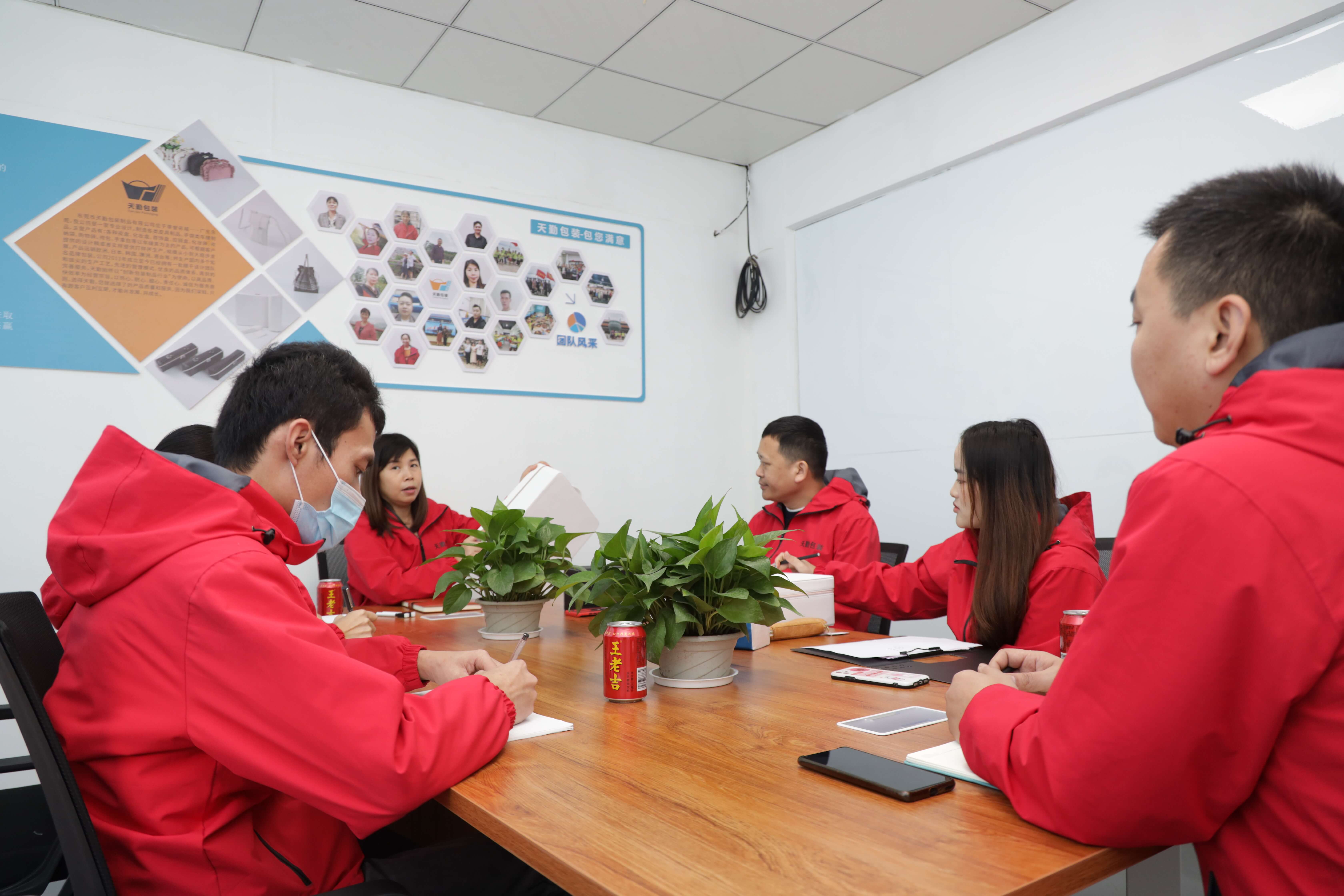
Choosing a custom bag manufacturer is one of the most critical decisions for your brand. Whether you're launching a new handbag line, sourcing promotional totes, or producing luxury backpacks, the right partner can make or break your product quality, delivery timeline, and profit margins.
Choose the Right Custom Bag Manufacturer
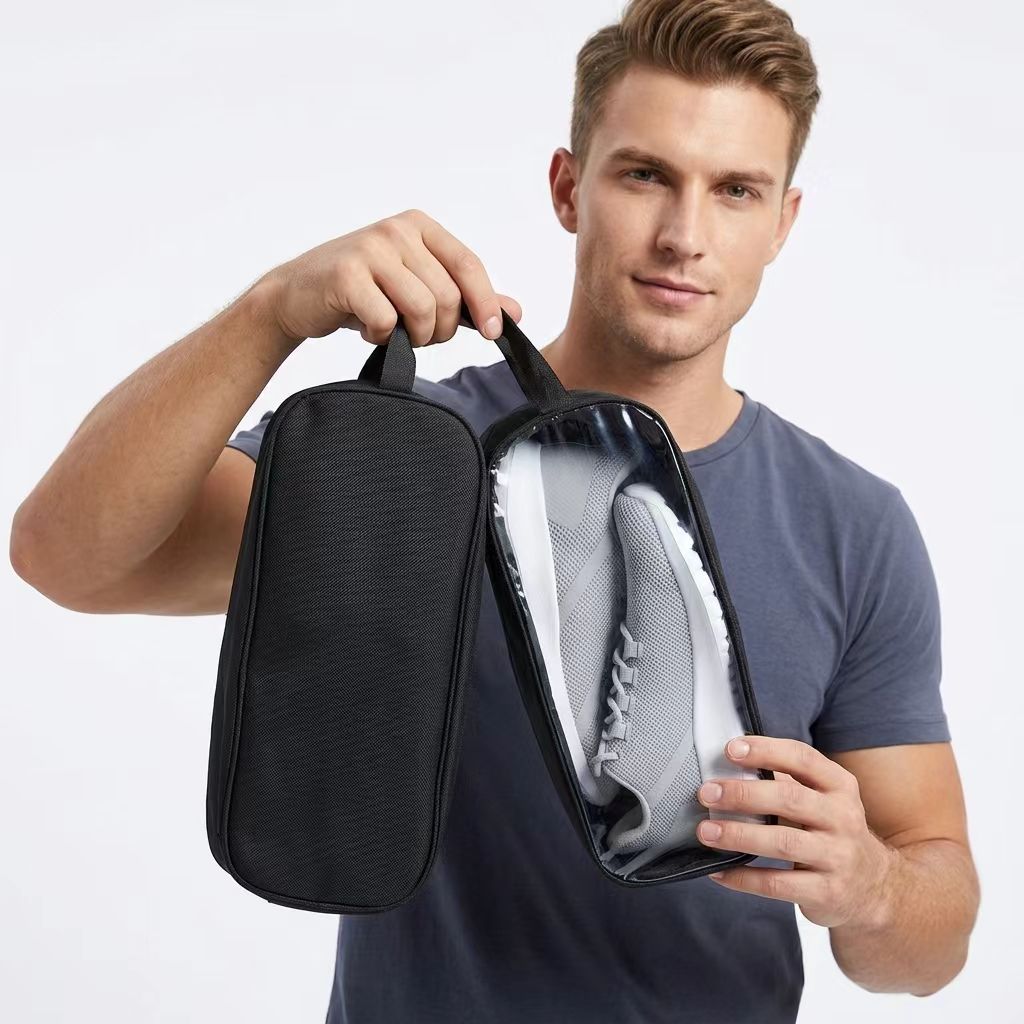
A dedicated shoe bag is a small but transformative travel accessory. It keeps your clean clothes separate from dirty soles, protects delicate footwear, and brings order to your luggage.
best-shoe-bags-for-travel