how to make a cosmetic bag
2025-11-24
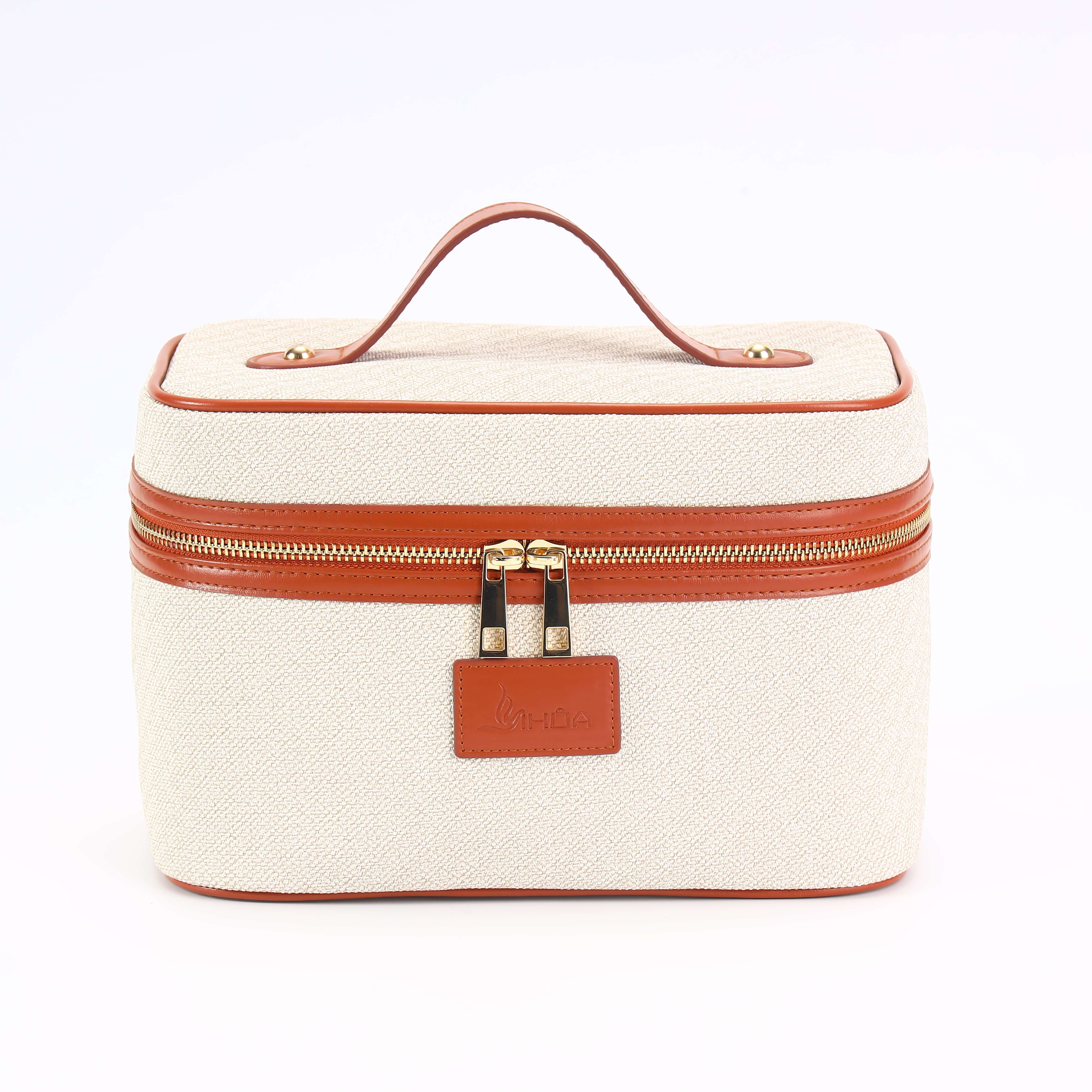
Professional Guide: How to Create High-Quality Makeup Bags to Meet Market Demand
1. Introduction: Market Demand and Manufacturing Value of Makeup Bags
Makeup bags, as an indispensable accessory in modern women's daily lives, not only serve the function of storing cosmetics but also symbolize personal style and taste. With the rise of personalized consumption trends, the market potential for customized, handcrafted makeup bags is enormous.
Whether it's high-end brands pursuing luxurious textures or the mass market focusing on practical functions, a well-designed makeup bag can become a highly valuable part of a brand's product line. This article will comprehensively analyze the manufacturing process of professional makeup bags.
2. Basic Types and Functional Positioning of Makeup Bags
2.1 Main Classifications of Makeup Bags
Based on usage scenarios and functional characteristics, makeup bags can be divided into the following main types:
• Professional Makeup Bags: Multifunctional, with multiple compartments and storage pockets, primarily for professional makeup artists.
• Travel Makeup Bags: Emphasizing portability, with fewer compartments but complete functionality, suitable for carrying frequently used cosmetics.
• Home Makeup Bags: Diverse styles, often used as promotional gifts by cosmetic companies.
2.2 Determining the Target Market and Design Direction
Before production, first clarify your target customer group:
• If you mainly cooperate with high-end brands, you can focus on luxurious materials (such as leather, satin) and exquisite craftsmanship.
• For the mass market, focus on practicality and durability, and choose cost-effective materials.
• With the current rise in environmental protection trends, the demand for makeup bags made from sustainable materials is growing significantly.
3. Material Selection and Procurement Recommendations
3.1 Fabric Selection Guidelines
Choosing the right fabric is key to ensuring the quality and market acceptance of makeup bags:
External Fabric Options:
• Canvas: Durable and easy to clean, suitable for everyday use in cosmetic bags.
• Satin: Smooth and luxurious, creating an elegant look.
• Leather: Offers a premium feel and long-lasting durability.
• Polyester: Lightweight and waterproof, suitable for travel-friendly cosmetic bags.
• Nylon, Cotton, PVC, PU: Choose according to different price points and styles.
Lining Material Considerations:
• Soft, durable fabrics such as cotton, satin, or microfiber are recommended to protect delicate items.
• The lining should provide a smooth surface to enhance durability and add a touch of luxury.
3.2 Accessories and Auxiliary Materials
• Zippers: Choose durable and smooth-operating zippers; 3-5 inch sizes are generally suitable for cosmetic bags.
• Connectors: Add structure and stability, allowing the cosmetic bag to maintain its shape.
• Decorative Elements: Ribbons, beads, and embroidered patterns add personalized elements.
4 Production Process and Key Techniques
4.1 Design and Sampling Stage
1. Create or select a pattern: You can choose from pre-made patterns, or customize a design for complete creative control.
2. Determine the size: Determine the appropriate size based on the intended use. Common Cosmetic Bag Size Reference:
◦ 4x7 inches
◦ Small: 7x9 inches
◦ Medium: 8x11.5 inches
◦ Large: 9.5x13 inches
3. Prototyping: Make samples before actual production to test design and functionality.
4.2 Cutting and Sewing Process
Precise Cutting:
• Place the pattern pieces on the fabric, positioning them correctly to maximize fabric utilization.
• Use sharp scissors or a rotary cutter to precisely cut the fabric pieces.
Sewing Techniques:
• Begin sewing the main compartments and sections.
• Sew and secure any additional pockets or compartments, ensuring they are securely fastened.
• Install zippers, buttons, or snaps to secure the cosmetic bag.
Lining Installation:
• Cut and sew the lining to match the external components.
• Attach the lining to the exterior, ensuring all seams are neat and secure for a perfect look.
4.3 Quality Control and Finishing
• • Check Every Step: Regularly check each stage of the sewing process to identify and correct errors early.
• Final Finishing: Trim excess threads and neatly finish the original edges using offset tape or binding tape.
• Final Ironing: Iron the finished cosmetic bag for a professionally polished look.
5 Differentiated Design and Innovative Functions
5.1 Design Elements Enhancing Practicality
• Multifunctional Compartments: Design internal slip pockets for storing small items; main compartments are reasonably sized.
• Wide Opening: Ensures clear visibility of contents and is user-friendly.
• Built-in Mirror: Increases ease of use and enhances product value.
• Innovative Functions: Such as designs with integrated charging cables to meet the needs of modern consumers.
5.2 Aesthetic and Personalized Design
• Color Scheme: Select colors that match the aesthetic preferences of the target customer.
• Pattern Design: Incorporate visual elements such as stripes, floral patterns, or geometric patterns.
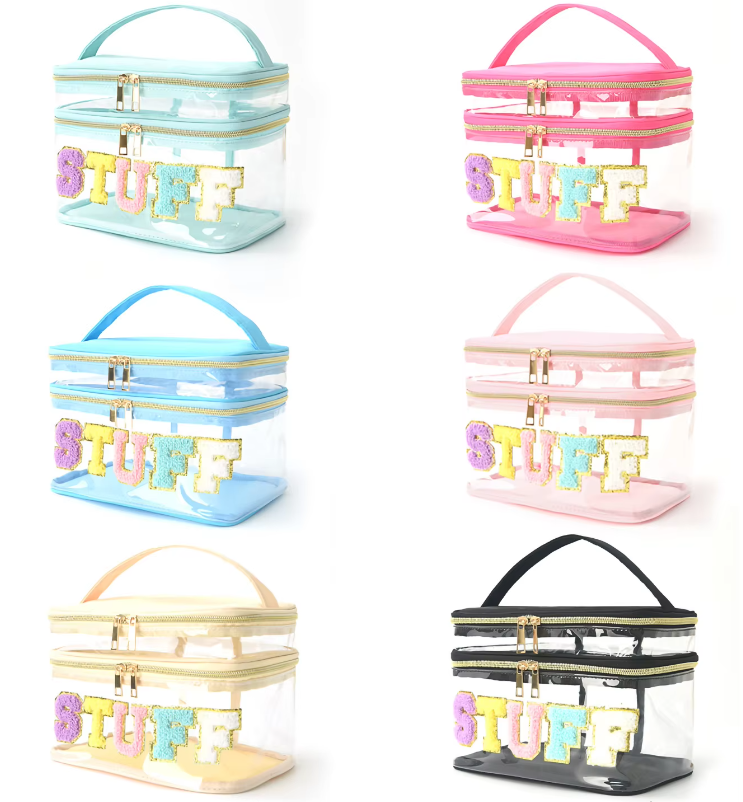
• Customization Elements: Offer logo printing, embroidered names, or pattern services to increase product uniqueness.
6 Quality Assurance and Durability Standards
Ensuring cosmetic bag quality meets market expectations is key to building long-term customer relationships:
Seam Reinforcement Techniques:
• Double Seam: Stitching twice adds extra strength and prevents seams from cracking.
• French Seam: Enclosing the original edges within the seam for a clean and durable finish.
• Overlock: Finishing edges with an overlock machine to prevent abrasion, especially with elastic fabrics.
Stress Point Reinforcement:
• Use thicker fabric or extra stitching in high-stress areas such as corners and strap joints.
• Ensure zippers, buttons, and snaps are securely attached and operate smoothly.
7 Sustainability and Environmental Considerations
Modern consumers are increasingly focused on the environmental performance of products. Adopting sustainable practices enhances brand image:
Eco-Friendly Material Selection:
• Recycled Fabrics: Fabrics made from recycled materials, such as recycled polyester or reconstituted denim, reduce waste.
• Organic Cotton: Choosing organic cotton grown without harmful pesticides and fertilizers promotes a healthier ecosystem.
• Vegan Leather Alternatives: Choose materials such as faux leather from sustainable sources to avoid animal products and reduce environmental impact.
1. Introduction: Market Demand and Manufacturing Value of Makeup Bags
Makeup bags, as an indispensable accessory in modern women's daily lives, not only serve the function of storing cosmetics but also symbolize personal style and taste. With the rise of personalized consumption trends, the market potential for customized, handcrafted makeup bags is enormous.
Whether it's high-end brands pursuing luxurious textures or the mass market focusing on practical functions, a well-designed makeup bag can become a highly valuable part of a brand's product line. This article will comprehensively analyze the manufacturing process of professional makeup bags.
2. Basic Types and Functional Positioning of Makeup Bags
2.1 Main Classifications of Makeup Bags
Based on usage scenarios and functional characteristics, makeup bags can be divided into the following main types:
• Professional Makeup Bags: Multifunctional, with multiple compartments and storage pockets, primarily for professional makeup artists.
• Travel Makeup Bags: Emphasizing portability, with fewer compartments but complete functionality, suitable for carrying frequently used cosmetics.
• Home Makeup Bags: Diverse styles, often used as promotional gifts by cosmetic companies.
2.2 Determining the Target Market and Design Direction
Before production, first clarify your target customer group:
• If you mainly cooperate with high-end brands, you can focus on luxurious materials (such as leather, satin) and exquisite craftsmanship.
• For the mass market, focus on practicality and durability, and choose cost-effective materials.
• With the current rise in environmental protection trends, the demand for makeup bags made from sustainable materials is growing significantly.
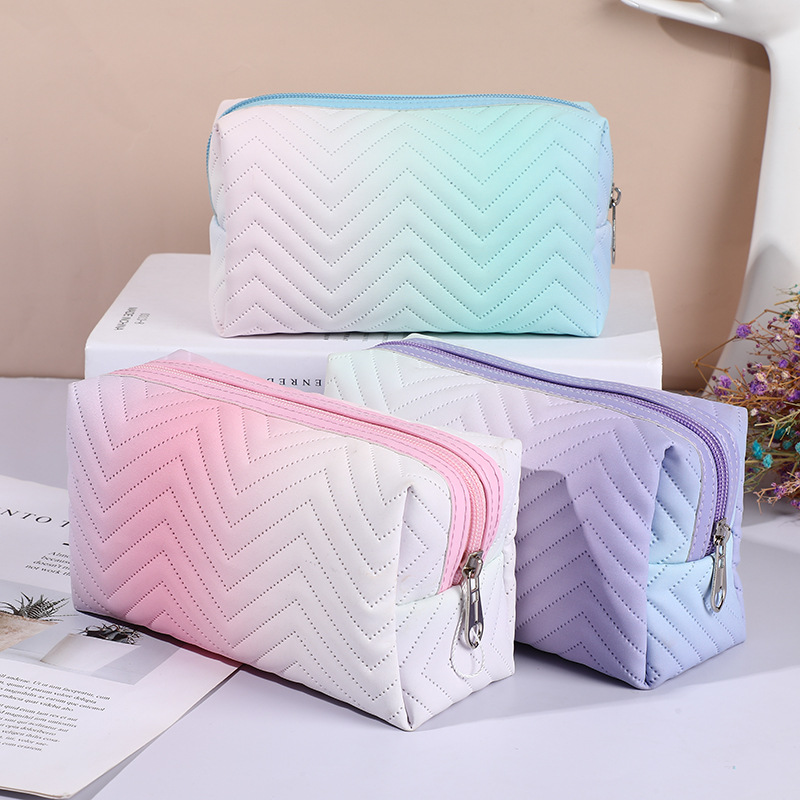
3. Material Selection and Procurement Recommendations
3.1 Fabric Selection Guidelines
Choosing the right fabric is key to ensuring the quality and market acceptance of makeup bags:
External Fabric Options:
• Canvas: Durable and easy to clean, suitable for everyday use in cosmetic bags.
• Satin: Smooth and luxurious, creating an elegant look.
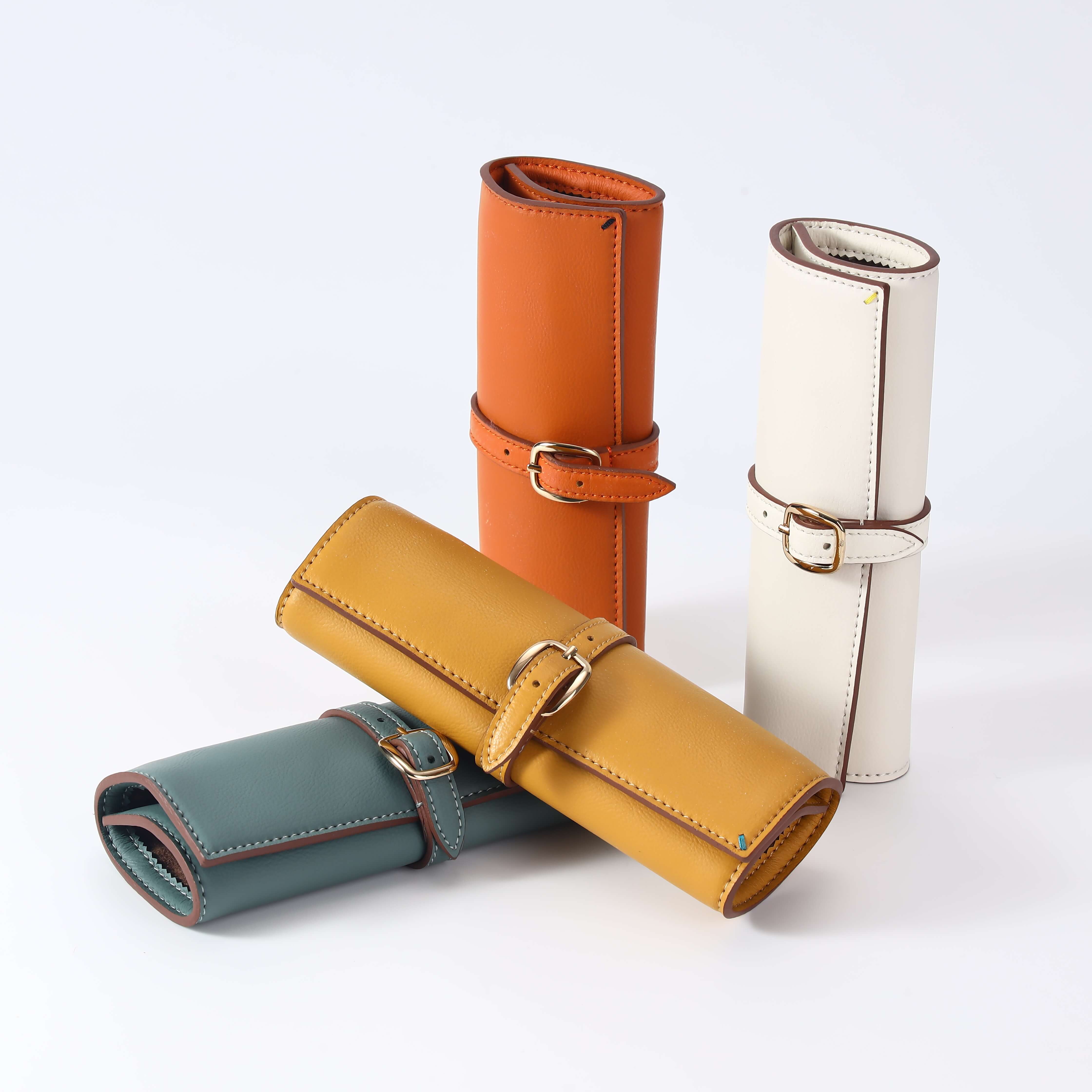
• Leather: Offers a premium feel and long-lasting durability.
• Polyester: Lightweight and waterproof, suitable for travel-friendly cosmetic bags.
• Nylon, Cotton, PVC, PU: Choose according to different price points and styles.
Lining Material Considerations:
• Soft, durable fabrics such as cotton, satin, or microfiber are recommended to protect delicate items.
• The lining should provide a smooth surface to enhance durability and add a touch of luxury.
3.2 Accessories and Auxiliary Materials
• Zippers: Choose durable and smooth-operating zippers; 3-5 inch sizes are generally suitable for cosmetic bags.
• Connectors: Add structure and stability, allowing the cosmetic bag to maintain its shape.
• Decorative Elements: Ribbons, beads, and embroidered patterns add personalized elements.

4 Production Process and Key Techniques
4.1 Design and Sampling Stage
1. Create or select a pattern: You can choose from pre-made patterns, or customize a design for complete creative control.
2. Determine the size: Determine the appropriate size based on the intended use. Common Cosmetic Bag Size Reference:
◦ 4x7 inches
◦ Small: 7x9 inches
◦ Medium: 8x11.5 inches
◦ Large: 9.5x13 inches
3. Prototyping: Make samples before actual production to test design and functionality.
4.2 Cutting and Sewing Process
Precise Cutting:
• Place the pattern pieces on the fabric, positioning them correctly to maximize fabric utilization.
• Use sharp scissors or a rotary cutter to precisely cut the fabric pieces.
Sewing Techniques:
• Begin sewing the main compartments and sections.
• Sew and secure any additional pockets or compartments, ensuring they are securely fastened.
• Install zippers, buttons, or snaps to secure the cosmetic bag.
Lining Installation:
• Cut and sew the lining to match the external components.
• Attach the lining to the exterior, ensuring all seams are neat and secure for a perfect look.
4.3 Quality Control and Finishing
• • Check Every Step: Regularly check each stage of the sewing process to identify and correct errors early.
• Final Finishing: Trim excess threads and neatly finish the original edges using offset tape or binding tape.
• Final Ironing: Iron the finished cosmetic bag for a professionally polished look.
5 Differentiated Design and Innovative Functions
5.1 Design Elements Enhancing Practicality
• Multifunctional Compartments: Design internal slip pockets for storing small items; main compartments are reasonably sized.
• Wide Opening: Ensures clear visibility of contents and is user-friendly.
• Built-in Mirror: Increases ease of use and enhances product value.
• Innovative Functions: Such as designs with integrated charging cables to meet the needs of modern consumers.
5.2 Aesthetic and Personalized Design
• Color Scheme: Select colors that match the aesthetic preferences of the target customer.
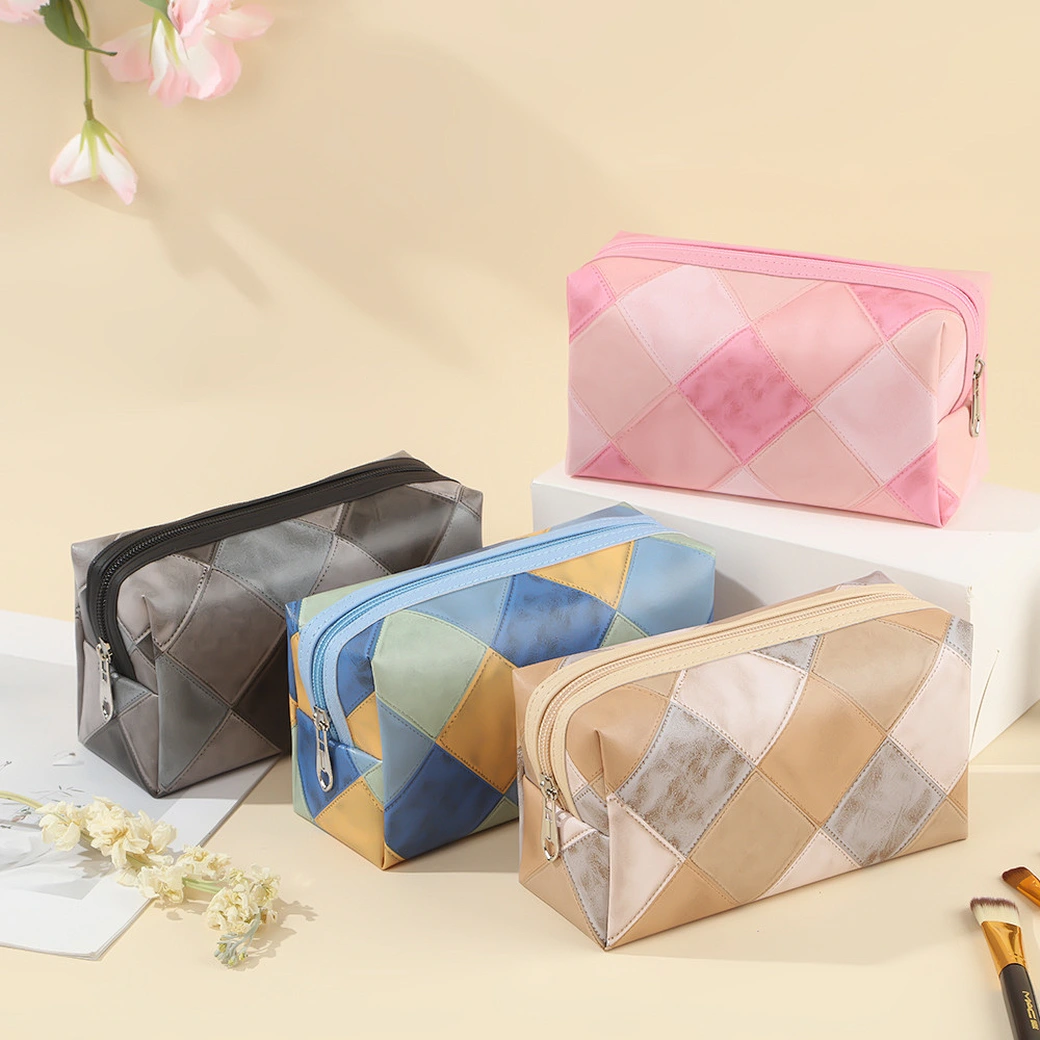
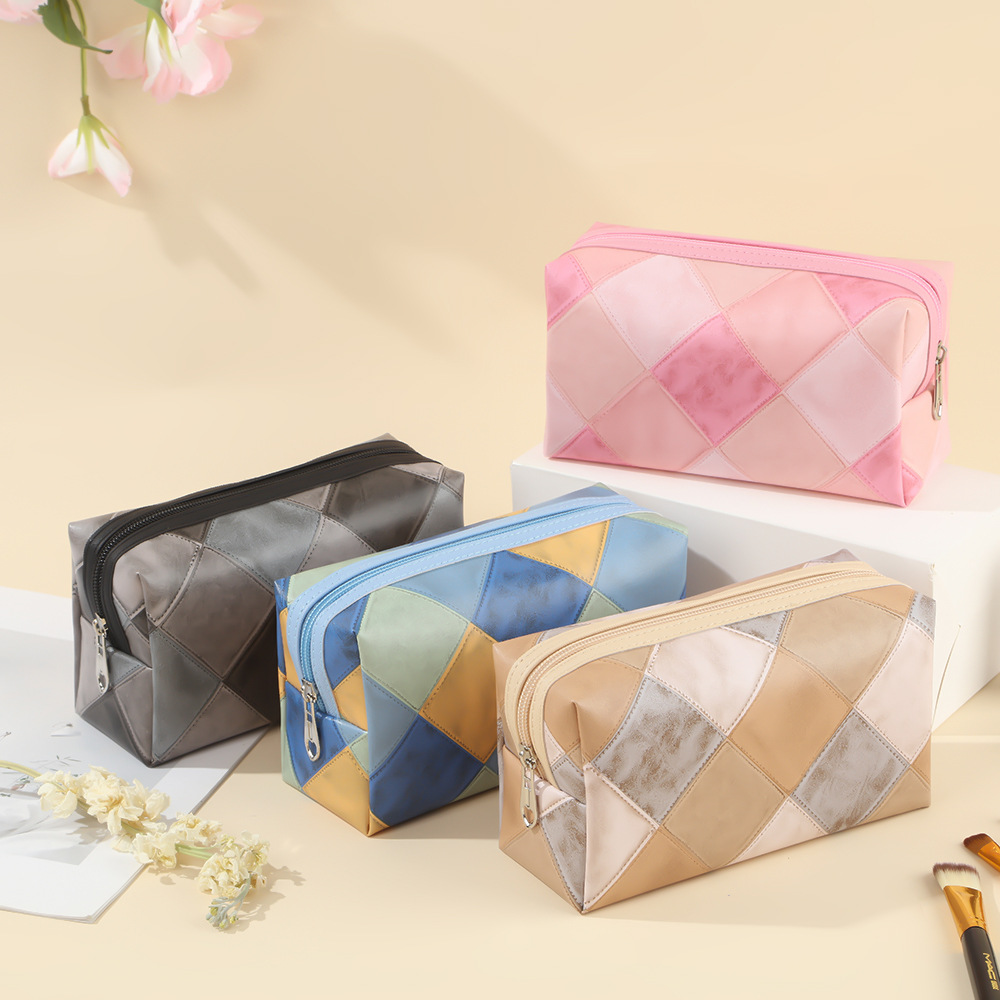
• Pattern Design: Incorporate visual elements such as stripes, floral patterns, or geometric patterns.
• Customization Elements: Offer logo printing, embroidered names, or pattern services to increase product uniqueness.

6 Quality Assurance and Durability Standards
Ensuring cosmetic bag quality meets market expectations is key to building long-term customer relationships:
Seam Reinforcement Techniques:
• Double Seam: Stitching twice adds extra strength and prevents seams from cracking.
• French Seam: Enclosing the original edges within the seam for a clean and durable finish.
• Overlock: Finishing edges with an overlock machine to prevent abrasion, especially with elastic fabrics.
Stress Point Reinforcement:
• Use thicker fabric or extra stitching in high-stress areas such as corners and strap joints.
• Ensure zippers, buttons, and snaps are securely attached and operate smoothly.
7 Sustainability and Environmental Considerations
Modern consumers are increasingly focused on the environmental performance of products. Adopting sustainable practices enhances brand image:
Eco-Friendly Material Selection:
• Recycled Fabrics: Fabrics made from recycled materials, such as recycled polyester or reconstituted denim, reduce waste.
• Organic Cotton: Choosing organic cotton grown without harmful pesticides and fertilizers promotes a healthier ecosystem.
• Vegan Leather Alternatives: Choose materials such as faux leather from sustainable sources to avoid animal products and reduce environmental impact.
8 About Us
Tianqin Packaging was established in 2011.
Our company is a professional manufacturer specializing in the design and production of various leather goods and handbag sewing products. Our main products include leather boxes, cosmetic boxes, jewelry boxes, zippered boxes, cosmetic bags, storage bags, shopping bags, shoulder bags, tote bags, and sewing products.
We can make samples and designs according to customer requirements. Our products are exported to Europe, America, Japan, South Korea, and other countries and regions, and we maintain long-term cooperative relationships with many well-known manufacturers
Tianqin Packaging was established in 2011.
Our company is a professional manufacturer specializing in the design and production of various leather goods and handbag sewing products. Our main products include leather boxes, cosmetic boxes, jewelry boxes, zippered boxes, cosmetic bags, storage bags, shopping bags, shoulder bags, tote bags, and sewing products.
We can make samples and designs according to customer requirements. Our products are exported to Europe, America, Japan, South Korea, and other countries and regions, and we maintain long-term cooperative relationships with many well-known manufacturers

Eco-friendly Production Practices:
• Reduce Waste: Effectively plan patterns to reduce fabric scraps and creatively reuse leftover materials.
• Eco-friendly Packaging: Use recyclable or biodegradable materials (such as kraft paper or compostable bags) to package your bags.
Conclusion: From Production to Market – Building a Successful Cosmetic Bag Product Line
Creating high-quality cosmetic bags requires a combination of material knowledge, craftsmanship skills, and market insight. From selecting the right fabrics to implementing rigorous quality control, every step directly impacts the market acceptance of the final product.
Key Success Factors:
• Deeply understand the needs and preferences of your target customers.
• Invest in high-quality materials and meticulous craftsmanship.
• Integrate innovation and sustainability into design.
• Establish rigorous quality control processes.
• Develop competitive pricing and marketing strategies.
By following this guide, your factory can produce cosmetic bags that stand out in terms of quality, design, and functionality, ensuring you maintain a competitive edge in this dynamic market.

what is pu leather
where to buy cosmetic bags
Related Article
Choosing a custom bag manufacturer is one of the most critical decisions for your brand. Whether you're launching a new handbag line, sourcing promotional totes, or producing luxury backpacks, the right partner can make or break your product quality, delivery timeline, and profit margins.
Choose the Right Custom Bag Manufacturer
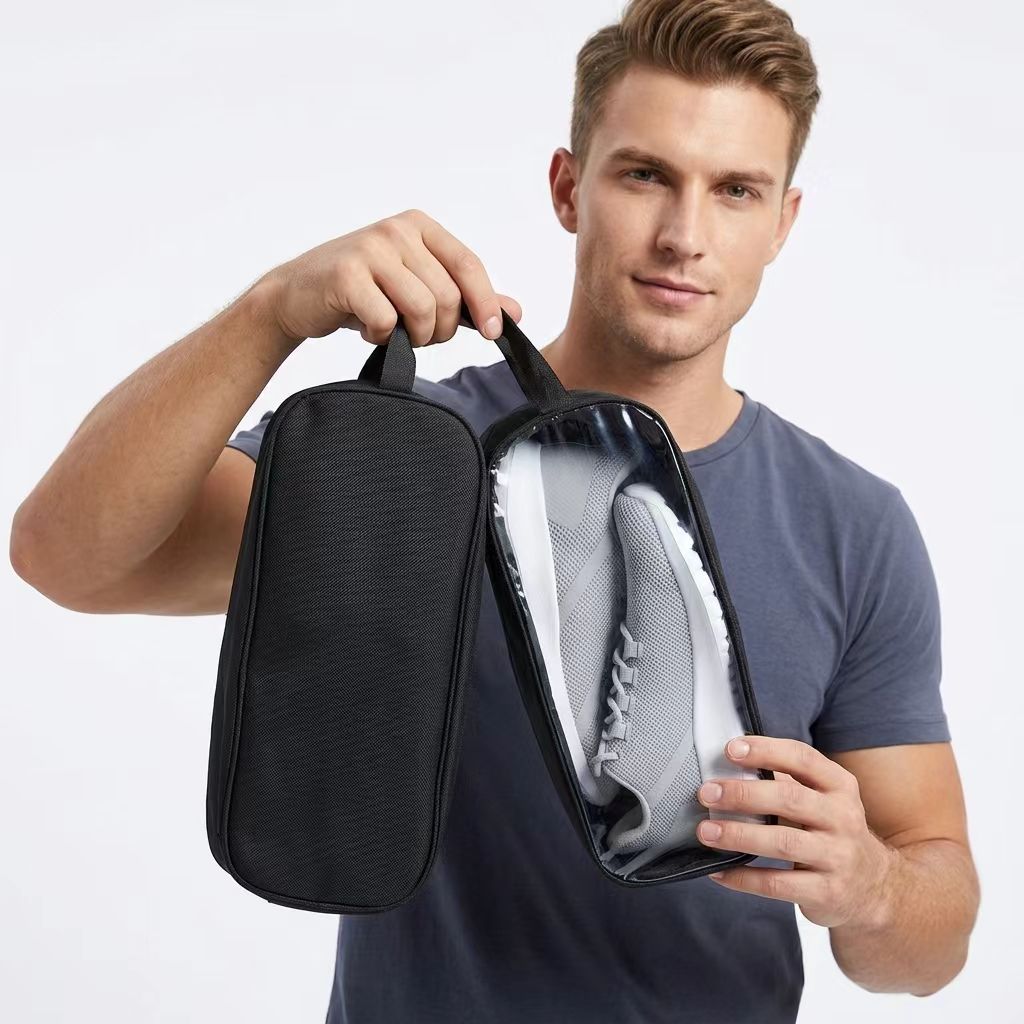
A dedicated shoe bag is a small but transformative travel accessory. It keeps your clean clothes separate from dirty soles, protects delicate footwear, and brings order to your luggage.
best-shoe-bags-for-travel