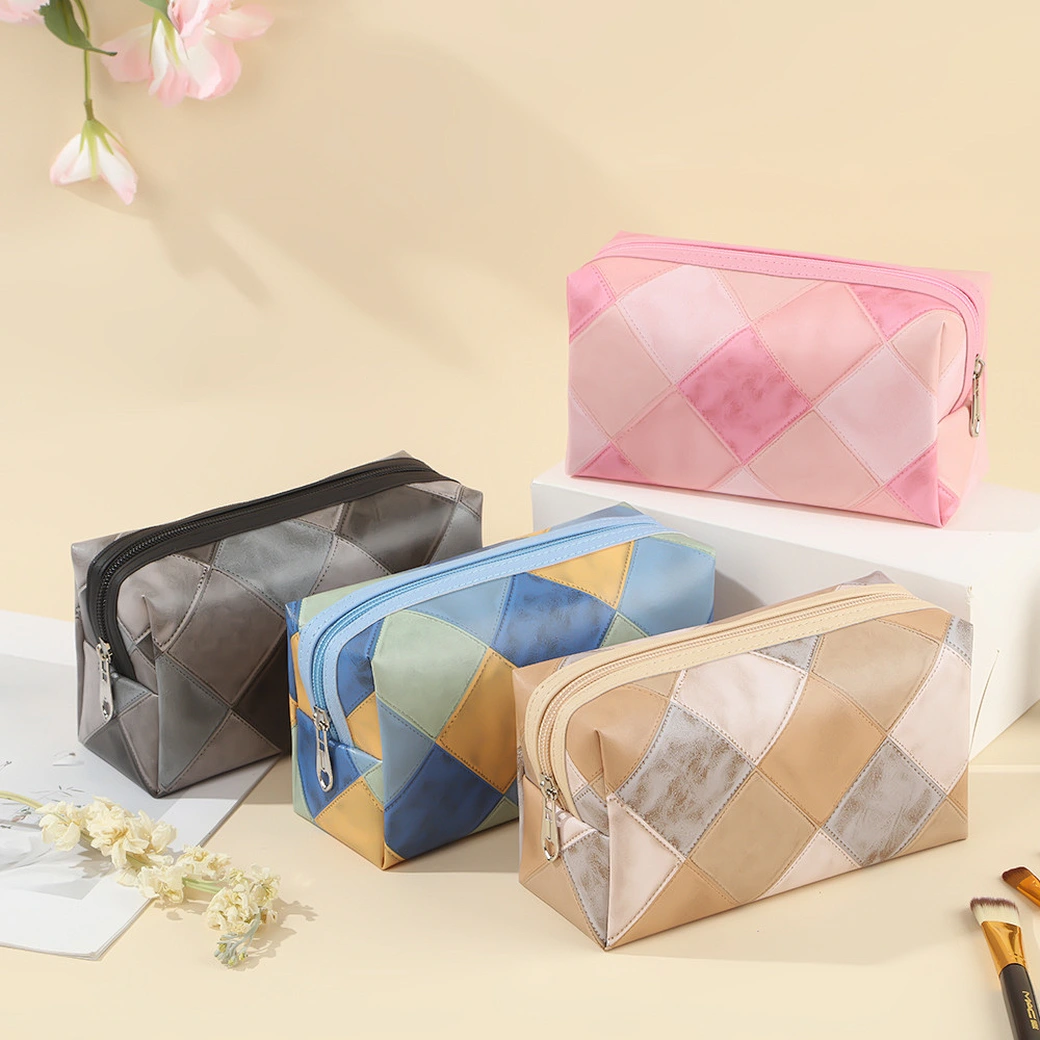
The Complete Guide to Making a Cosmetic Bag: From Concept to Finished Product
Cosmetic bags are essential accessories that combine functionality and style. As the owner of a handbag and luggage factory, I'm deeply aware of the intricate craftsmanship behind these everyday items. Whether you're an industry insider or a DIY enthusiast, understanding the makeup bag production process allows you to appreciate the meticulous craftsmanship behind each piece. This guide will guide you through the entire production process, from initial design to quality control.
Design and Planning Phase
Conceptualization and Inspiration
The journey of a cosmetic bag begins with inspiration. Designers draw inspiration from a variety of sources, including fashion trends, seasonal color schemes, and everyday experiences. At the beginning of each season, designers combine their inspiration with the latest fashion trends to create a complete cosmetic bag collection. This foundation sets the direction for the entire production process, which often begins a year before the collection launches.
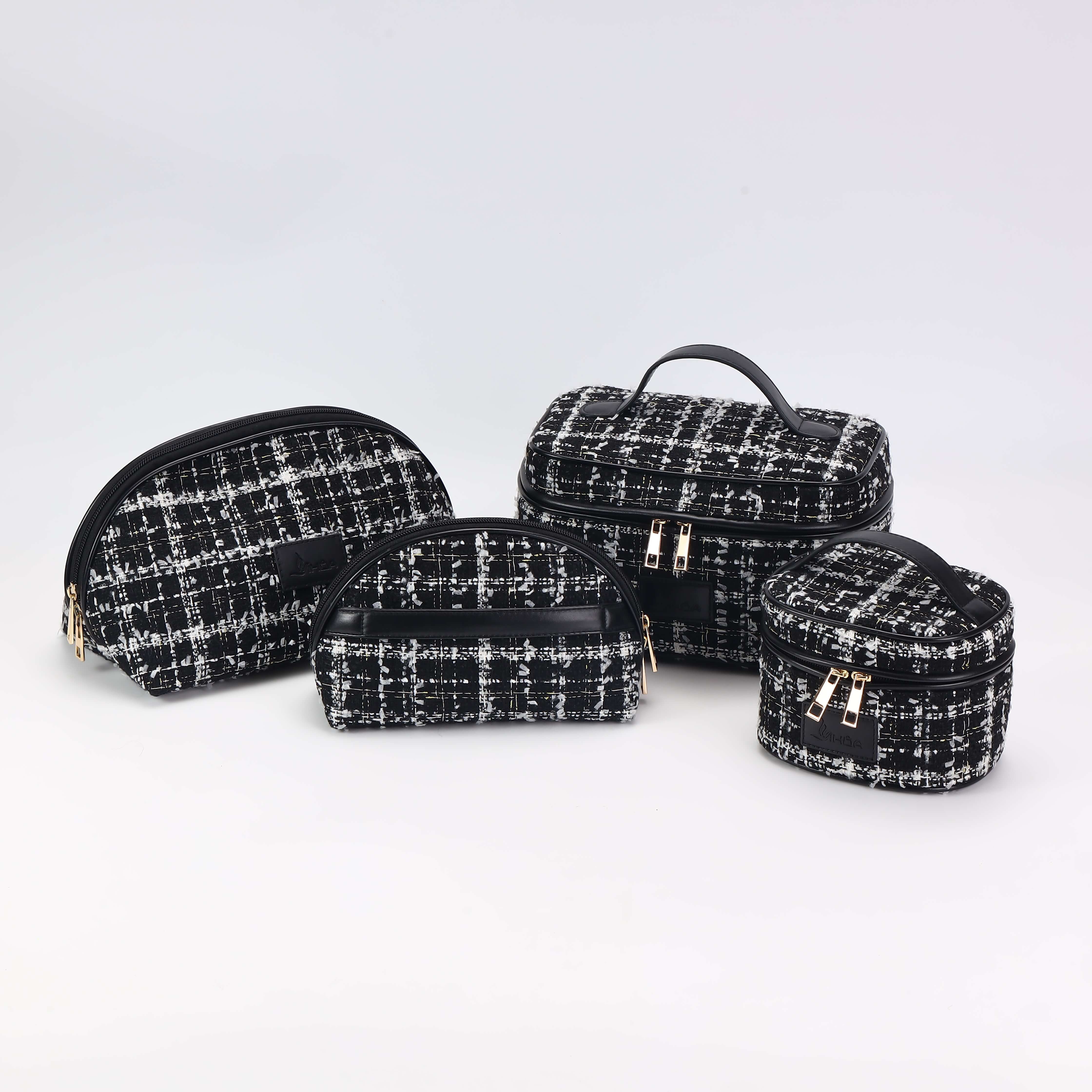
Material Selection
Choosing the right material is undoubtedly the most crucial step in designing a bag. The material can make or break a design, and even simple designs require high-quality fabrics to convey quality and durability. Common fabrics include:
• Outer fabric: Cotton, polyester, nylon, PU leather, faux leather, velvet, and TPU
• Lining: Typically nylon or polyester, used to protect against makeup stains
• Lining: A rigid material such as foam, batting, or cardboard that provides structural support
• Zippers: Available in a variety of sizes and styles, offering both functionality and aesthetics
High-quality hardware is equally important, as proper plating and sealing can significantly extend the life of a bag.
Pattern Making and Cutting Process
Pattern Making
The production process begins with the creation of a paper frame or pattern. The pattern maker works closely with the designer to refine the graphic design and translate the designer's concept. Because a single bag is composed of dozens of cut parts, the pattern maker's meticulous craftsmanship is evident in every detail. This craftsman transforms the design concept into the physical components of the final product.
Precision Cutting
Once the pattern is prepared, the cutter lays it on a flat piece of fabric. They outline each component with a silver pen before cutting it by hand. While this manual method is more time-consuming than machine cutting, it better preserves the material's texture and feel. For large-scale production, we use paper grids and forming cutters for increased efficiency.
Industrial manufacturing often requires precisely cutting raw materials into various shapes and sizes according to pre-designed paper patterns. This fundamental step determines the essential components of a cosmetic bag.

Assembly and Production
Basic Production Steps
The assembly phase involves a series of meticulous steps to bring all components together:
1. Lining: The cut lining fabrics are carefully sewn together to form the inner layer, providing a smooth, protective surface for cosmetics.
2. Structure: Foam padding can be added in specific areas for enhanced durability and cushioning. Rigid material can be sewn around the edges or in specific locations to help maintain the bag's structure.
3. Zipper Application: The zipper is sewn into the bag's opening to ensure smooth closure and easy access.
4. Adding Dividers: Dividers create individual compartments inside the bag, allowing for efficient storage of various cosmetics.
5. Frame Assembly: For structured bags, prefabricated curved frames can be installed to create a unique shape and stability.
Technology
Several specialized techniques enhance the quality and appearance of a bag:
• Edge Oiling: To maintain shape, the back of each piece is reinforced with material of the same size. After lamination, the craftsman stitches or hand-edges the edges, resulting in a smoother and more uniform finish than machine-edges.
• Finishing: The hand-edge process involves thinning the joints, hand-oiling to seal the leather cross-section, and hand-folding to create neater seams and enhance the bag's shape.
Decoration and Customization

Decorative Elements
Cosmetic bags often feature decorative elements to enhance personalization and branding:
• Printing: Logos, patterns, or text are applied directly to the fabric using techniques such as screen printing or digital printing.
• Embroidery: Intricate patterns or logos are machine-sewn onto the fabric for an elegant touch.
• Hot Stamping: Use heat press technology to apply metallic foil or other materials for a luxurious look.
Functional Additions
Beyond aesthetics, functional elements enhance usability:
• Handles: Handles are sewn onto the bag for easy carrying.
• Multiple Compartments: Add pockets and compartments to help organize different items efficiently.
how to wear a shoulder bag
how much is a birkin bag
Related Article