when was nylon developed
The Invention of Nylon: A History That Shaped Modern Handbags & Luggage
Introduction: Why Nylon’s History Matters to Your Bag
For anyone in the handbag and luggage industry, the materials we use define our products. Understanding the origin of nylon isn't just a history lesson; it’s about appreciating the foundation of a material that revolutionized durability, design, and accessibility in our field. This article explores the key dates and breakthroughs behind nylon’s invention and its direct impact on the bags we craft today.

The Birth of a Synthetic Revolution: Key Dates and Figures
Nylon’s story is one of targeted industrial innovation, born from a need for alternatives to natural materials.
1935: The Laboratory Breakthrough
The pivotal moment occurred in 1935 at DuPont’s research facility. A team led by chemist Wallace Carothers successfully synthesized the first truly synthetic polymer fiber, known as Polymer 6-6. This creation in a Delaware lab was not an accident but the result of years of dedicated research into macromolecules. Initially called "Fiber 66," it promised strength and elasticity that silk could not match consistently.
1938: The Public Debut and Commercial Naming
The material was officially unveiled to the world as "nylon" at the 1939 New York World’s Fair, following its first public announcement by DuPont in 1938. The name "nylon" was chosen and commercialized during this period, marking the shift from lab secret to a soon-to-be household name. Its first commercial application? Surprisingly, it was women’s stockings, which took the market by storm in 1940, proving its appeal and durability.
From Stockings to Duffels: Nylon’s Wartime Pivot
World War II fundamentally redirected nylon’s path, showcasing properties that would later make it ideal for bags.
The 1940s: Military-Grade AdoptioN
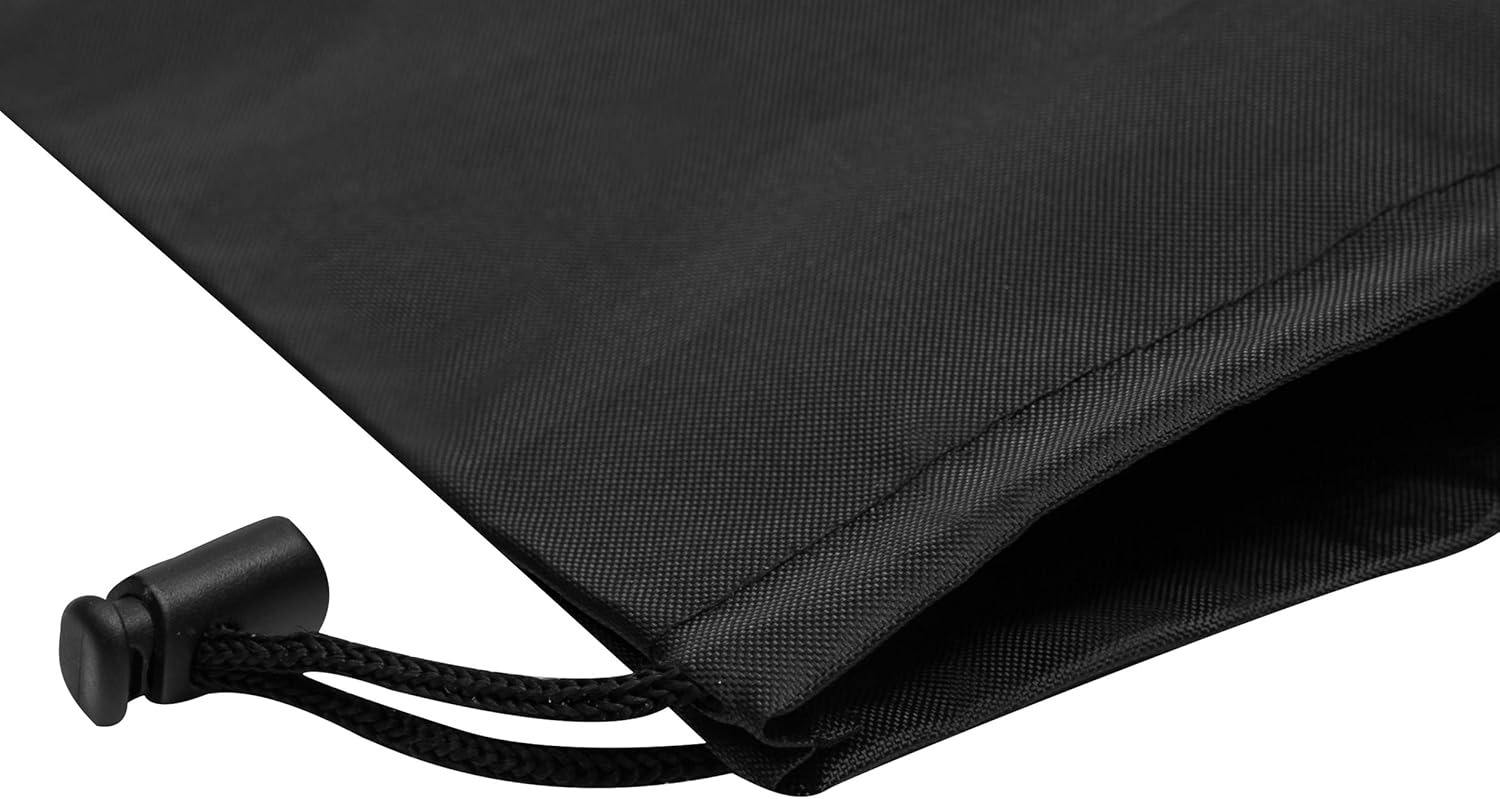
With the U.S. entry into WWII, all nylon production was diverted to the war effort. Its high tensile strength, elasticity, and resistance to mildew and abrasion made it perfect for:
-
Parachutes
-
Parachute cord
-
Tent panels
-
Utility bags and duffels
This era proved nylon could withstand extreme conditions. The simple, rugged "paratrooper bags" or duffels of this time are the direct ancestors of today’s military-style backpacks and travel duffels, establishing a legacy of toughness.
Post-War Boom: Nylon Conquers the Bag Industry
After the war, nylon flooded the consumer market, transforming luggage and handbag design forever.
The 1950s-1960s: The Rise of Affordable, Durable Luggage
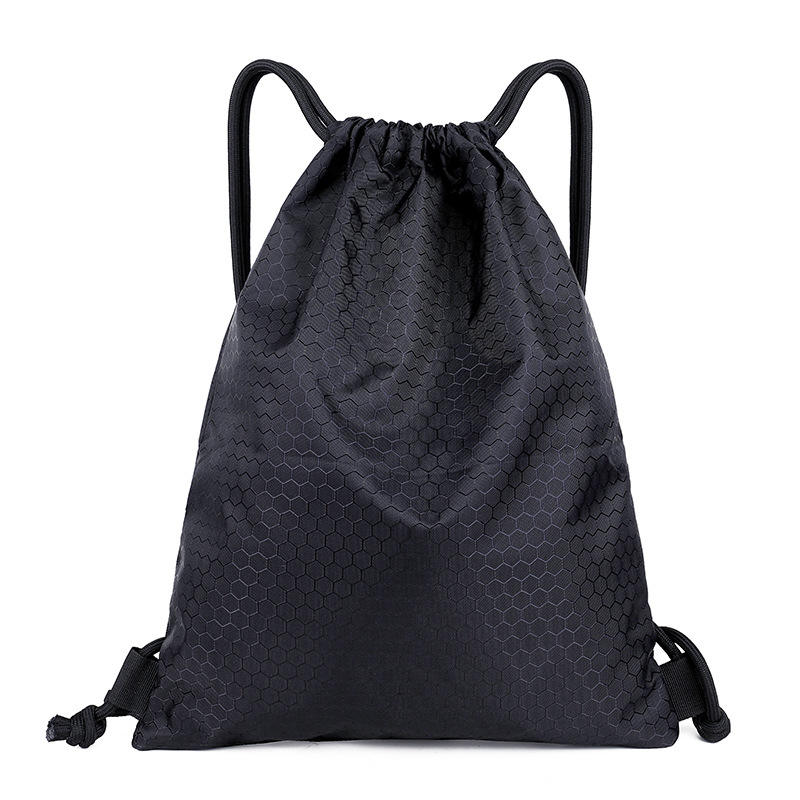
Nylon brought unprecedented practicality. It was lighter than leather, more resistant to tears and stains than canvas, and could be easily cleaned. This led to:
-
The first soft-sided suitcases, revolutionizing travel.
-
Structured yet lightweight handbags for everyday use.
-
A spectrum of colors and weaves (like ballistic nylon and ripstop), allowing for new textures and styles.
-

Meeting User Needs: Durability Meets Design
Nylon’s properties directly answered core user demands:
-
For the Practical User: It offered unmatched strength-to-weight ratio and water resistance.
-
For the Brand & Designer: It enabled vibrant, fade-resistant colors and consistent, high-volume manufacturing.
-
For the Consumer: It made quality, durable bags affordable and accessible to the masses.
Nylon Today: Innovation and Sustainability
The evolution didn’t stop. Modern nylon in our industry addresses contemporary values.
Technical Advancements: Cordura® and Beyond
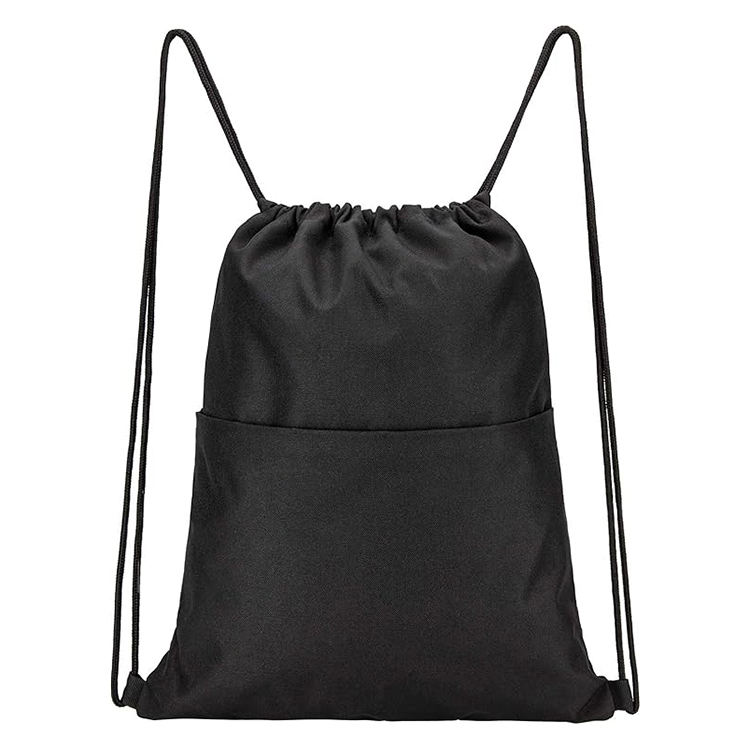
Fabrics like Cordura® nylon (developed in the 1970s) set new standards for abrasion resistance, becoming a benchmark for premium backpacks and travel gear. Coatings and laminates have further enhanced water resistance without sacrificing breathability.
The Eco-Conscious Shift: Recycled Nylon
A major innovation answering today’s demand is recycled nylon, primarily ECONYL®, regenerated from ocean plastics and fishing nets. For brands and conscious consumers, this offers:
-
A sustainable profile with performance identical to virgin nylon.
-
A compelling brand story aligned with environmental values.
-
No compromise on the durability and quality expected from nylon.
-

Conclusion: A Lasting Legacy in Every Stitch
From its synthesis in 1935 to its commercial launch in the late 1930s, nylon’s invention was a turning point. It moved from wartime gear to a fashion and utility staple, directly enabling the durable, lightweight, and versatile handbags and luggage we engineer today. As a material, it continues to evolve—pushing the boundaries of performance and responsibility. For industry professionals and enthusiasts alike, the history of nylon is woven into the very fabric of modern bag design.
makeup bag brands
What is a Duffle Bag
Related Article