what's pu leather material
2025-12-05
PU Leather: A Sustainable and Stylish Choice for Modern Bag Manufacturing
Combining the feel of genuine leather with environmentally friendly properties, PU leather is becoming a new favorite in the bag industry.
For bag manufacturers, choosing the right materials is not only crucial for product quality but also directly impacts a brand's market competitiveness. As an innovative material, PU leather has seen increasingly widespread application in the bag manufacturing industry in recent years. This article will comprehensively analyze the characteristics, manufacturing process, and application advantages of PU leather, providing you with professional reference.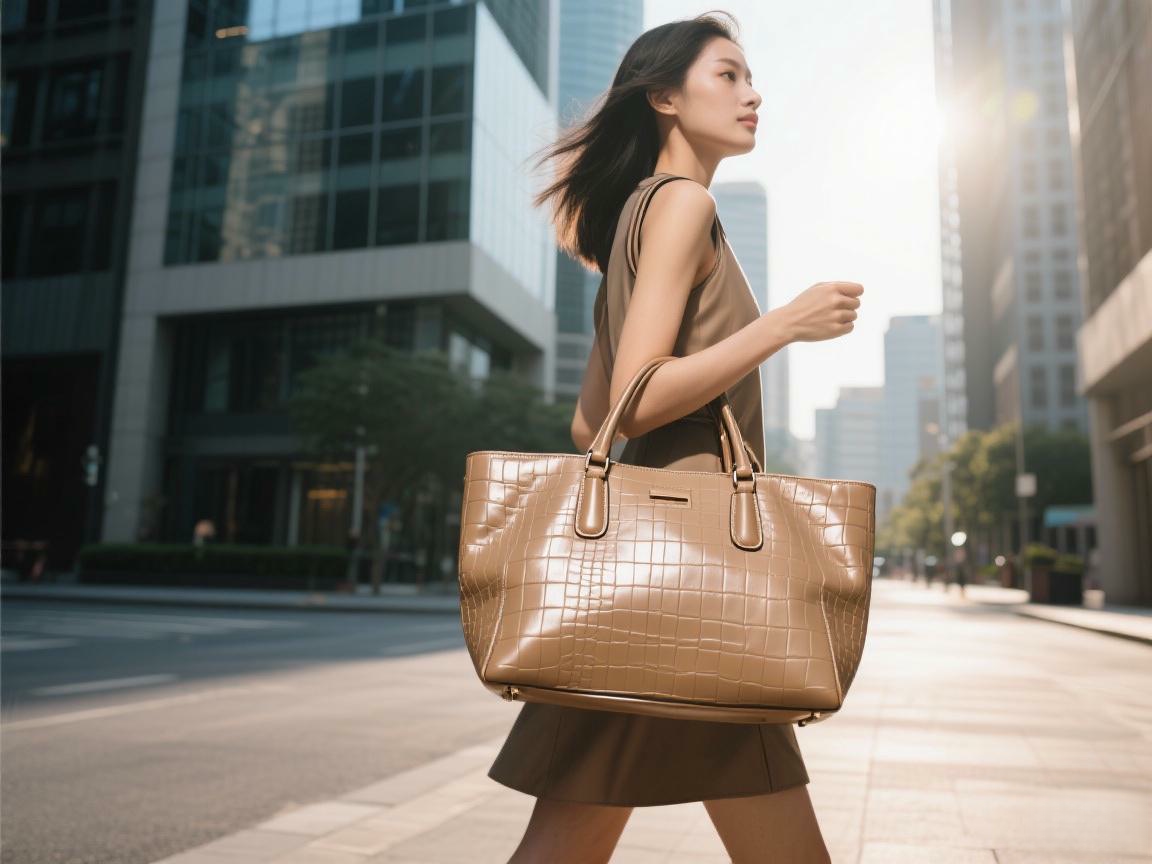
What is PU Leather?
PU leather, short for polyurethane leather, is a synthetic material made by applying a polyurethane coating to a fabric base. This material is specifically designed to mimic the look and texture of genuine leather while providing additional practical advantages.
Structurally, PU leather typically consists of three layers: the outermost polyurethane polymer coating provides a leather-like texture and protection; the middle fabric base (usually polyester or cotton) gives the material strength and flexibility; and various additives enhance abrasion resistance, UV resistance, and moisture resistance. This composite structure allows PU leather to achieve a good balance between softness, durability, and aesthetics
Combining the feel of genuine leather with environmentally friendly properties, PU leather is becoming a new favorite in the bag industry.
For bag manufacturers, choosing the right materials is not only crucial for product quality but also directly impacts a brand's market competitiveness. As an innovative material, PU leather has seen increasingly widespread application in the bag manufacturing industry in recent years. This article will comprehensively analyze the characteristics, manufacturing process, and application advantages of PU leather, providing you with professional reference.
What is PU Leather?
PU leather, short for polyurethane leather, is a synthetic material made by applying a polyurethane coating to a fabric base. This material is specifically designed to mimic the look and texture of genuine leather while providing additional practical advantages.
Structurally, PU leather typically consists of three layers: the outermost polyurethane polymer coating provides a leather-like texture and protection; the middle fabric base (usually polyester or cotton) gives the material strength and flexibility; and various additives enhance abrasion resistance, UV resistance, and moisture resistance. This composite structure allows PU leather to achieve a good balance between softness, durability, and aesthetics
.

Manufacturing Process of PU Leather
Dry Process
In the dry process, polyurethane resin slurry is first coated onto release paper, typically in one or two layers. The coating is then baked in an oven to remove solvents and form a polyurethane film. An adhesive is then applied to the dried polyurethane film, adhering it to the base fabric and curing it. Finally, the release paper is removed.
Wet Process
In the wet process, polyurethane slurry is extruded onto nonwoven fabric, which is then immersed in a bath containing DMF (N,N-dimethylformamide), causing the polyurethane to gel and form a solid film. During coagulation, additives and polyurethane shrinkage create micropores that allow air and moisture to pass through. The DMF is then removed by washing, followed by drying to remove any residual solvents.
Surface treatment is the final stage of the manufacturing process, including embossing or printing to mimic the patterns and styles of natural leather, as well as final adjustments to color and texture.
Properties and Advantages of PU Leather
Physical Properties
PU leather possesses excellent flexibility and durability, resisting bending and stretching. Its hydrolysis resistance helps it maintain structural stability over time, reducing peeling and cracking. These properties make PU leather particularly suitable for bags and luggage that require frequent use.
Practical Advantages
In bag manufacturing, PU leather offers multiple practical advantages. It is water-resistant, and the polyurethane coating on its surface effectively resists moisture penetration, making bags more adaptable to various weather conditions. Simultaneously, PU leather is fire-retardant, meeting fire safety standards and adding security to the bags.
From an economic perspective, PU leather is a cost-effective choice, being more price-competitive than genuine leather, allowing manufacturers to offer more affordable products without sacrificing aesthetics. Furthermore, PU leather is easy to clean and maintain; a simple wipe is sufficient to maintain its appearance, which is especially important for bags used daily.
Design and Aesthetic Value
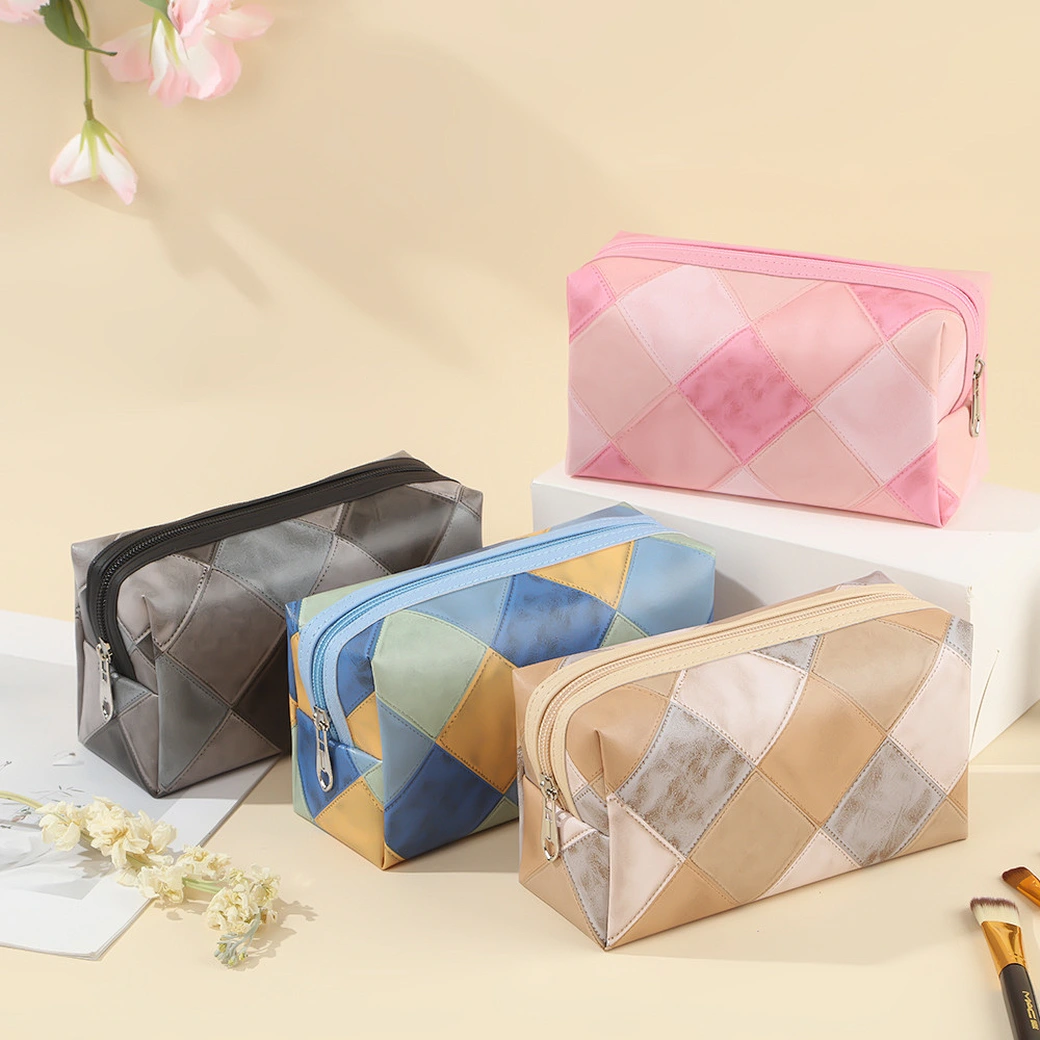
The design flexibility of PU leather is one of its significant advantages. It can be made in a variety of colors, patterns, and textures, including effects mimicking rare animal leathers, providing designers with a wide range of creative possibilities. At the same time, PU leather offers a consistent look, unlike genuine leather which has natural imperfections, allowing products to maintain a uniform standard.
PU Leather vs. Other Leather Materials
Comparison with Genuine Leather
Compared to traditional genuine leather, PU leather offers a price advantage, allowing consumers to obtain a leather-like look and feel at a lower cost. From an ethical perspective, PU leather production does not involve animal products, aligning with the growing consumer demand for cruelty-free products.
In terms of durability, high-quality genuine leather may last longer, but PU leather performs exceptionally well in resisting cracks and tears, especially under normal use. It's important to note that the lifespan of PU leather is typically 3-5 years, while genuine leather products can last for decades with proper care.
Compared to PVC leather, PU leather is more environmentally friendly, using fewer harmful chemicals in its production process. Simultaneously, PU leather offers better breathability and a more natural texture, making it superior in both comfort and aesthetics.
Applications and Innovations in the Bag Industry
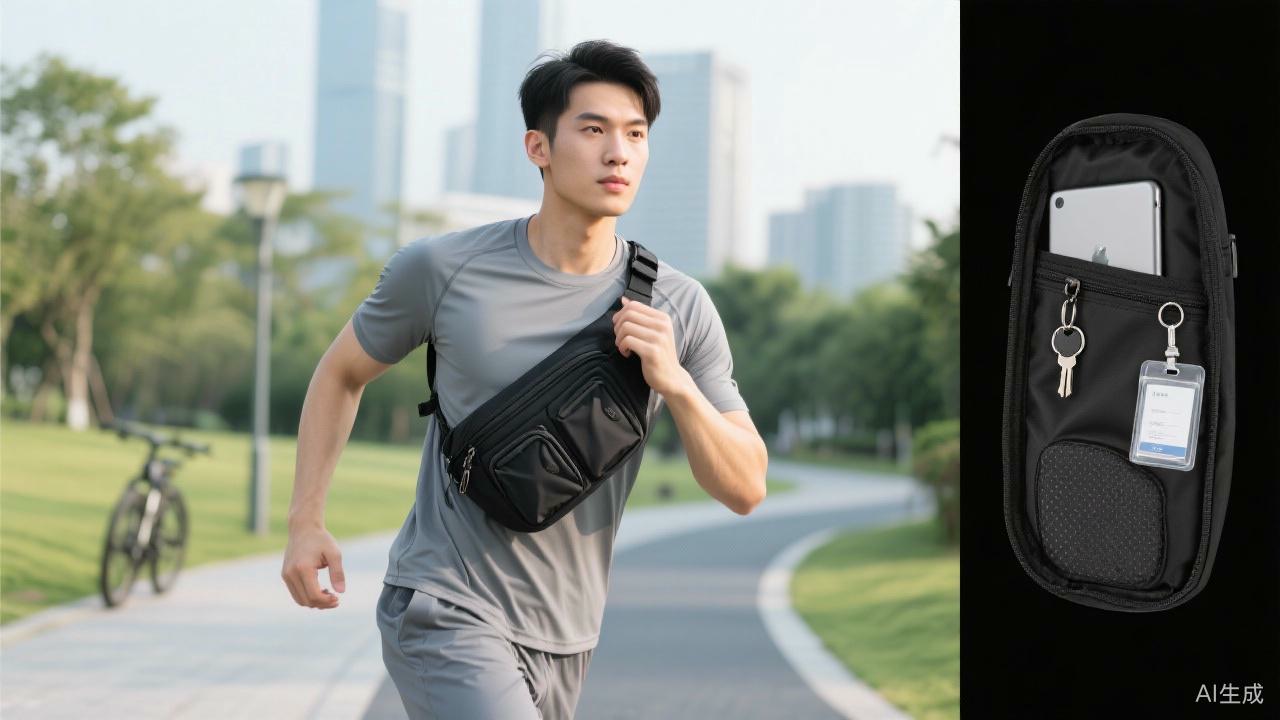
In the bag manufacturing industry, PU leather has been widely used in various products, including handbags, backpacks, wallets, and accessories. Its versatility makes it suitable for both everyday items and high-end products, providing brands with broad market coverage possibilities.
In recent years, sustainable innovation has become an important direction for the development of PU leather. Some manufacturers have begun using water-based PU leather, significantly reducing harmful emissions during the production process. At the same time, the application of bio-based and recycled materials is also increasing, further enhancing the environmental credentials of PU leather.
Professional Care Recommendations
To ensure the longevity of PU leather bags, we recommend that customers follow these care guidelines:
• Regular Cleaning: Use a soft, dry cloth to dust regularly. For deep cleaning, gently wipe with a damp cloth and mild soap.
• Avoid Exposure to Sunlight: Store PU leather products in a cool, dry place, away from direct heat sources and sunlight to prevent premature discoloration or decomposition of the material.
• Proper Storage: When not in use for extended periods, it is recommended to store the product in a dust bag for extra protection.
Conclusion
As a bag manufacturer, understanding material properties is crucial for product development. PU leather, with its balanced performance, aesthetics, and cost-effectiveness, has become one of the ideal choices for modern bag manufacturing. With continuous advancements in materials technology, PU leather will continue to improve in terms of sustainability and performance, providing brands with more innovative possibilities.
In a market context where environmental awareness is increasingly growing, PU leather offers manufacturers an effective solution to meet consumers' comprehensive needs for fashion, functionality, and ethical consumption. By applying this material appropriately, bag companies can establish a unique competitive advantage and drive the industry towards a more sustainable direction.
Manufacturing Process of PU Leather
Dry Process
In the dry process, polyurethane resin slurry is first coated onto release paper, typically in one or two layers. The coating is then baked in an oven to remove solvents and form a polyurethane film. An adhesive is then applied to the dried polyurethane film, adhering it to the base fabric and curing it. Finally, the release paper is removed.
Wet Process
In the wet process, polyurethane slurry is extruded onto nonwoven fabric, which is then immersed in a bath containing DMF (N,N-dimethylformamide), causing the polyurethane to gel and form a solid film. During coagulation, additives and polyurethane shrinkage create micropores that allow air and moisture to pass through. The DMF is then removed by washing, followed by drying to remove any residual solvents.
Surface treatment is the final stage of the manufacturing process, including embossing or printing to mimic the patterns and styles of natural leather, as well as final adjustments to color and texture.
Properties and Advantages of PU Leather
Physical Properties
PU leather possesses excellent flexibility and durability, resisting bending and stretching. Its hydrolysis resistance helps it maintain structural stability over time, reducing peeling and cracking. These properties make PU leather particularly suitable for bags and luggage that require frequent use.
Practical Advantages
In bag manufacturing, PU leather offers multiple practical advantages. It is water-resistant, and the polyurethane coating on its surface effectively resists moisture penetration, making bags more adaptable to various weather conditions. Simultaneously, PU leather is fire-retardant, meeting fire safety standards and adding security to the bags.
From an economic perspective, PU leather is a cost-effective choice, being more price-competitive than genuine leather, allowing manufacturers to offer more affordable products without sacrificing aesthetics. Furthermore, PU leather is easy to clean and maintain; a simple wipe is sufficient to maintain its appearance, which is especially important for bags used daily.

Design and Aesthetic Value
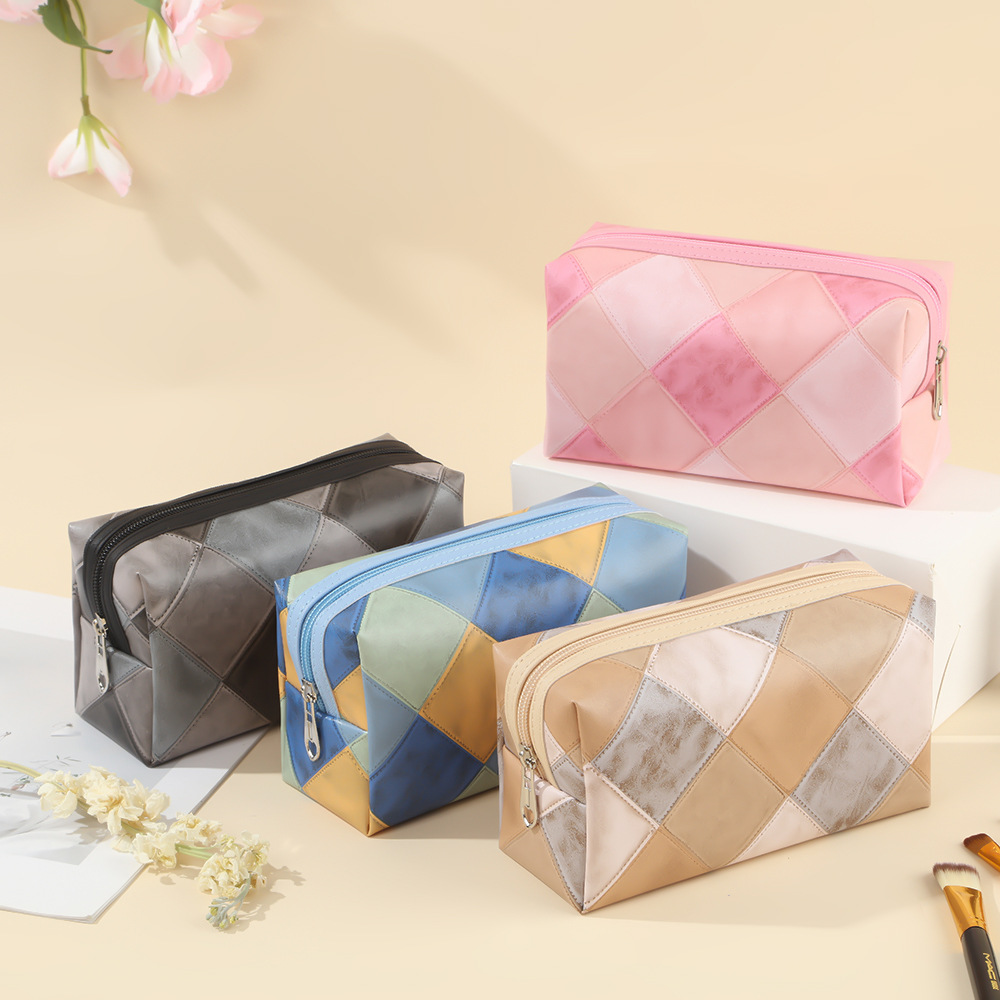
The design flexibility of PU leather is one of its significant advantages. It can be made in a variety of colors, patterns, and textures, including effects mimicking rare animal leathers, providing designers with a wide range of creative possibilities. At the same time, PU leather offers a consistent look, unlike genuine leather which has natural imperfections, allowing products to maintain a uniform standard.
PU Leather vs. Other Leather Materials
Comparison with Genuine Leather
Compared to traditional genuine leather, PU leather offers a price advantage, allowing consumers to obtain a leather-like look and feel at a lower cost. From an ethical perspective, PU leather production does not involve animal products, aligning with the growing consumer demand for cruelty-free products.
In terms of durability, high-quality genuine leather may last longer, but PU leather performs exceptionally well in resisting cracks and tears, especially under normal use. It's important to note that the lifespan of PU leather is typically 3-5 years, while genuine leather products can last for decades with proper care.
Compared to PVC leather, PU leather is more environmentally friendly, using fewer harmful chemicals in its production process. Simultaneously, PU leather offers better breathability and a more natural texture, making it superior in both comfort and aesthetics.
Applications and Innovations in the Bag Industry
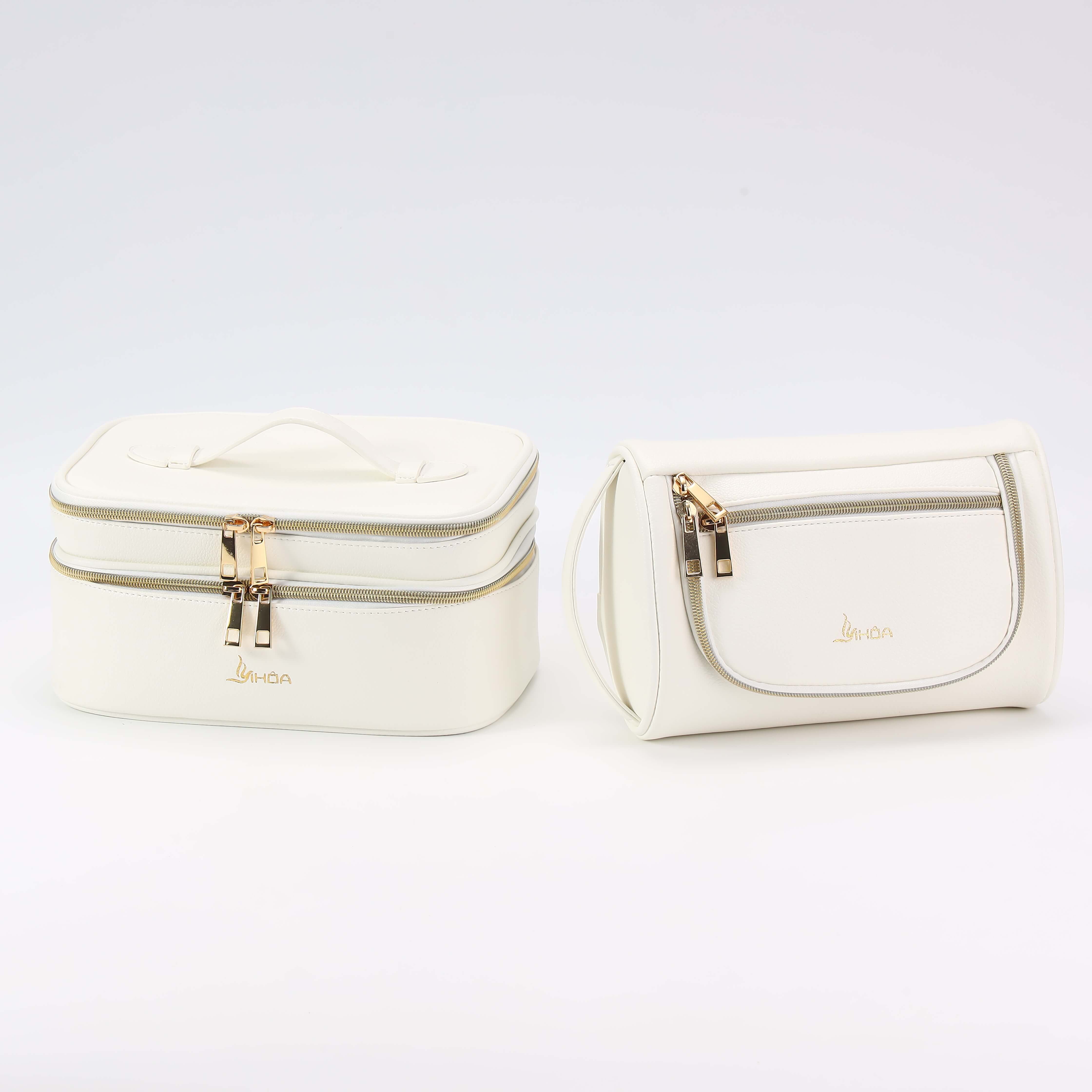
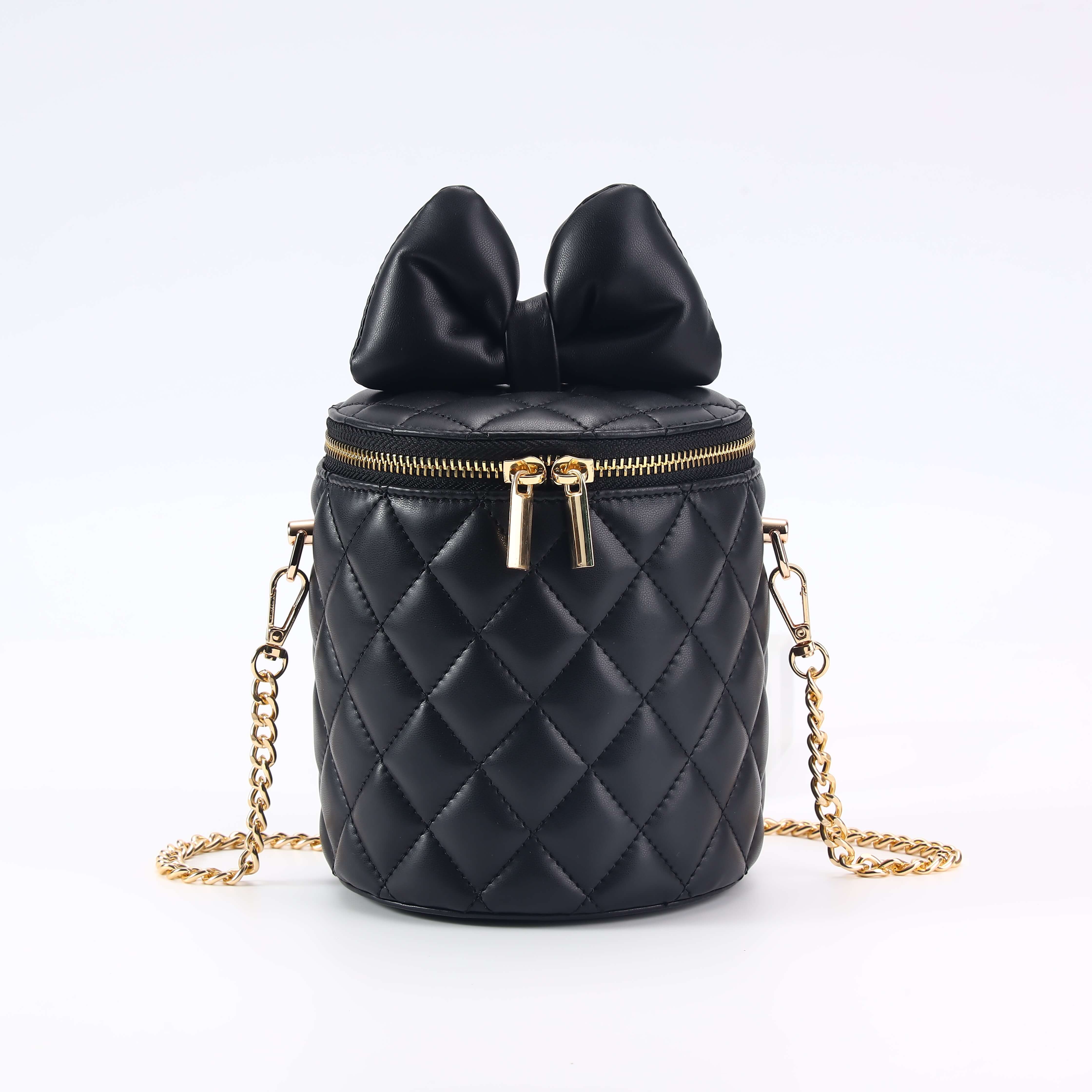
In the bag manufacturing industry, PU leather has been widely used in various products, including handbags, backpacks, wallets, and accessories. Its versatility makes it suitable for both everyday items and high-end products, providing brands with broad market coverage possibilities.
In recent years, sustainable innovation has become an important direction for the development of PU leather. Some manufacturers have begun using water-based PU leather, significantly reducing harmful emissions during the production process. At the same time, the application of bio-based and recycled materials is also increasing, further enhancing the environmental credentials of PU leather.
Professional Care Recommendations
To ensure the longevity of PU leather bags, we recommend that customers follow these care guidelines:
• Regular Cleaning: Use a soft, dry cloth to dust regularly. For deep cleaning, gently wipe with a damp cloth and mild soap.
• Avoid Exposure to Sunlight: Store PU leather products in a cool, dry place, away from direct heat sources and sunlight to prevent premature discoloration or decomposition of the material.
• Proper Storage: When not in use for extended periods, it is recommended to store the product in a dust bag for extra protection.
Conclusion
As a bag manufacturer, understanding material properties is crucial for product development. PU leather, with its balanced performance, aesthetics, and cost-effectiveness, has become one of the ideal choices for modern bag manufacturing. With continuous advancements in materials technology, PU leather will continue to improve in terms of sustainability and performance, providing brands with more innovative possibilities.
In a market context where environmental awareness is increasingly growing, PU leather offers manufacturers an effective solution to meet consumers' comprehensive needs for fashion, functionality, and ethical consumption. By applying this material appropriately, bag companies can establish a unique competitive advantage and drive the industry towards a more sustainable direction.
what is nubuck leather
what is renewable materials
Related Article
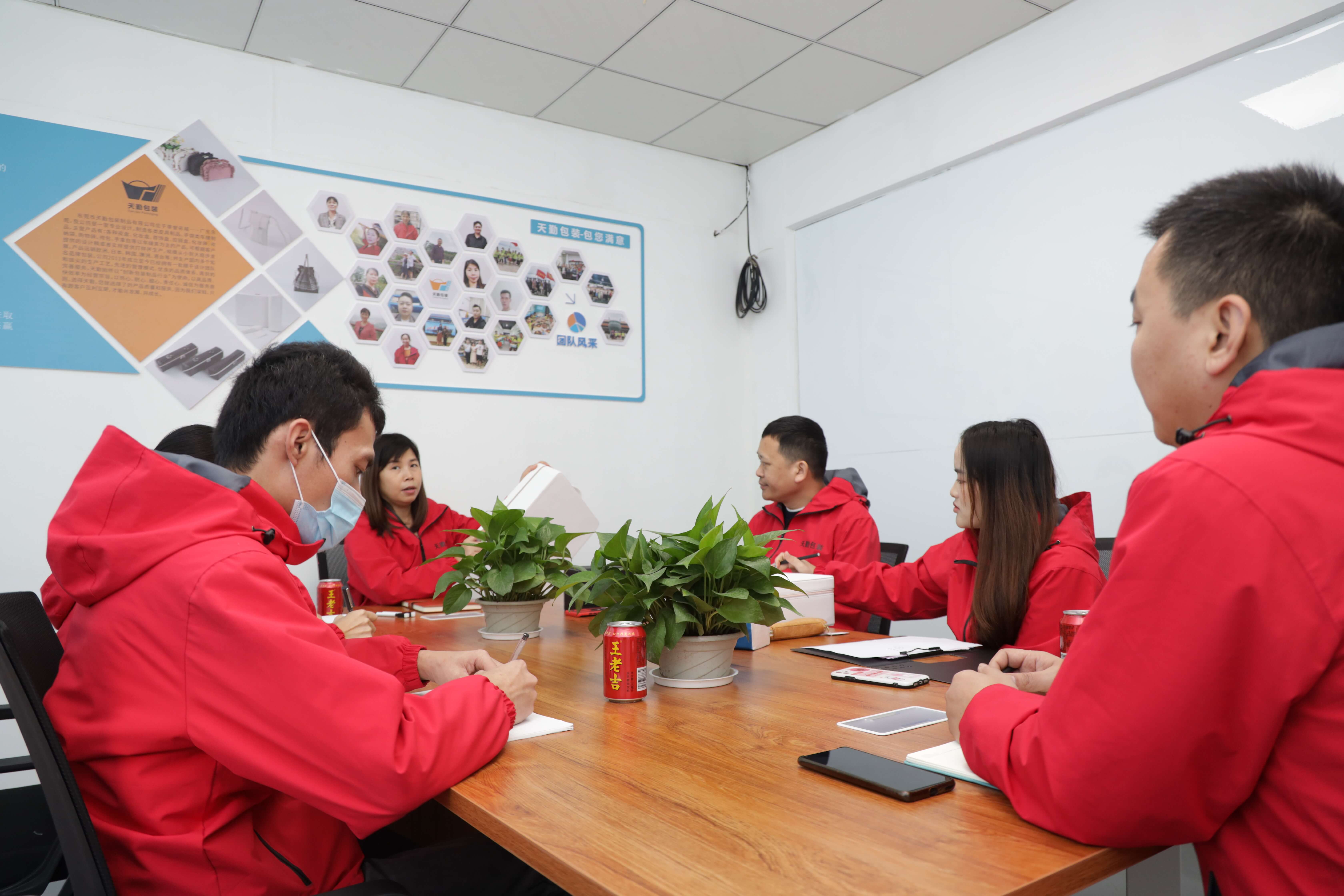
Choosing a custom bag manufacturer is one of the most critical decisions for your brand. Whether you're launching a new handbag line, sourcing promotional totes, or producing luxury backpacks, the right partner can make or break your product quality, delivery timeline, and profit margins.
Choose the Right Custom Bag Manufacturer
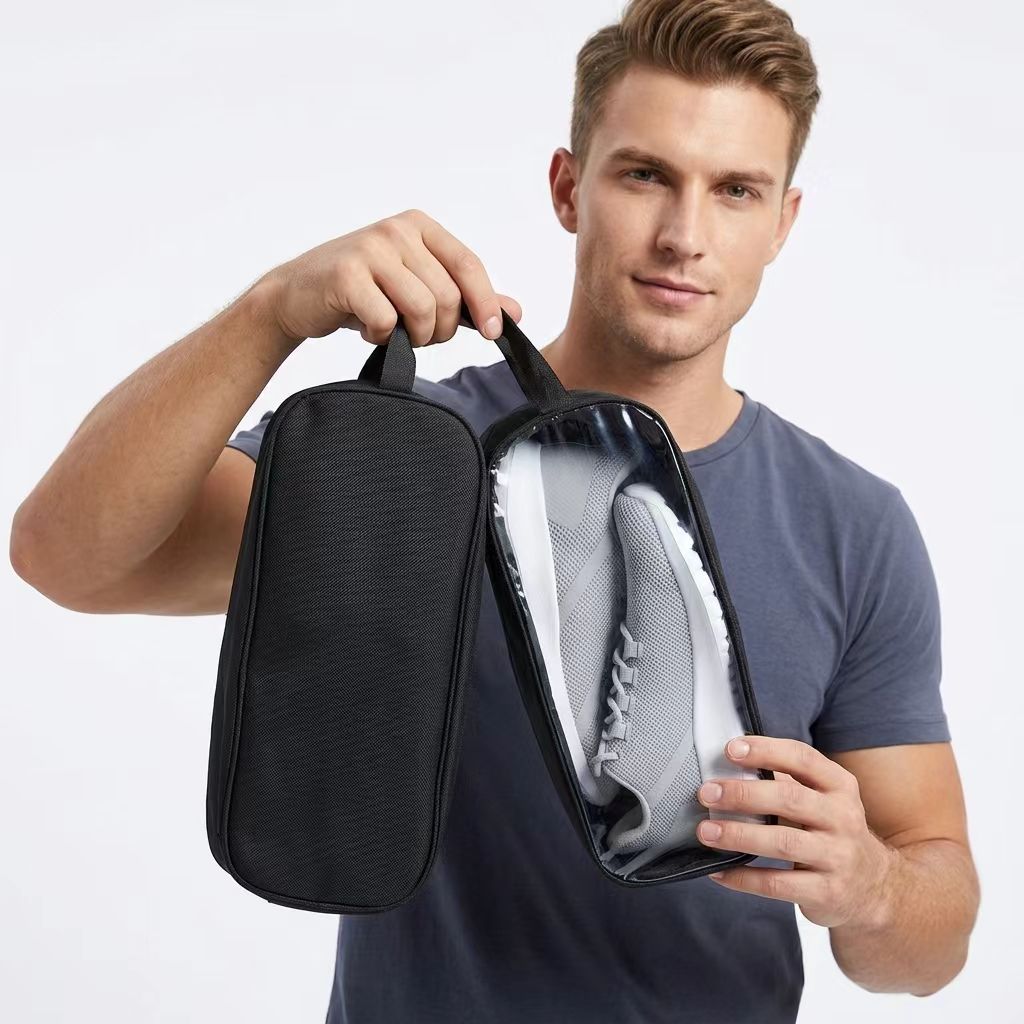
A dedicated shoe bag is a small but transformative travel accessory. It keeps your clean clothes separate from dirty soles, protects delicate footwear, and brings order to your luggage.
best-shoe-bags-for-travel