what is the difference between sling bag and crossbody bag
Sling Bag vs Crossbody Bag: Understanding the Key Differences for Your Next Purchase
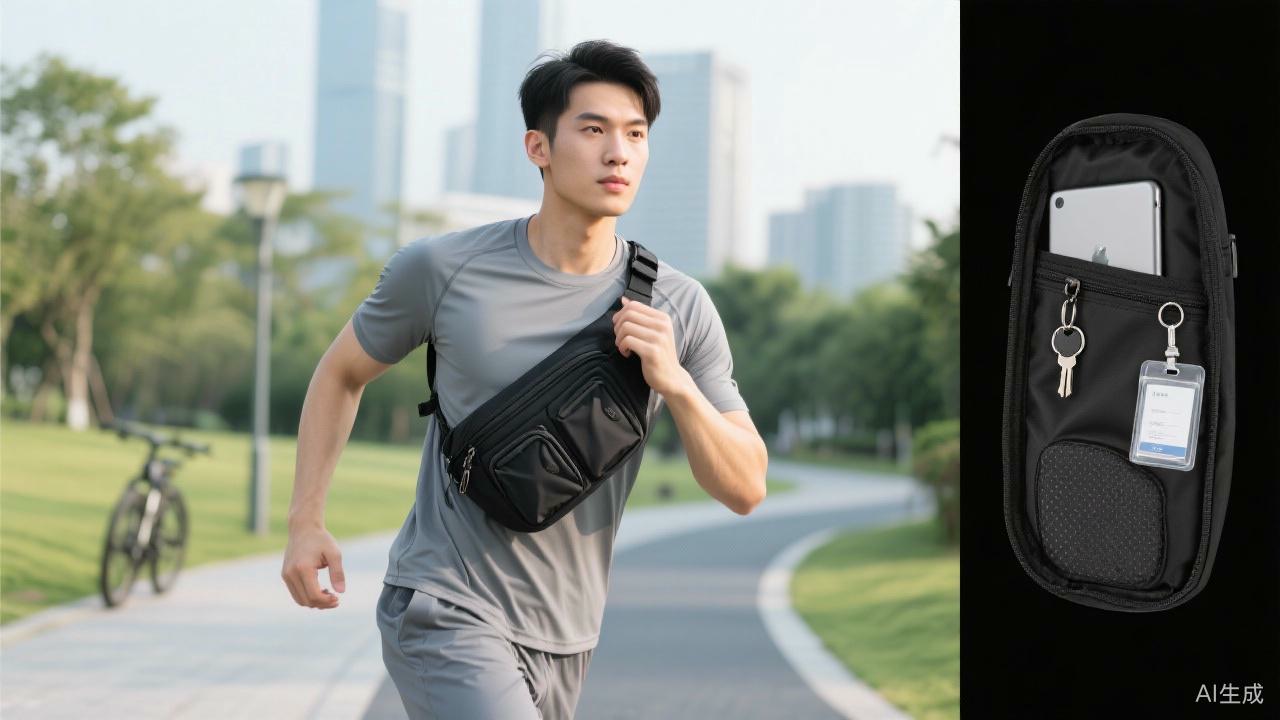
A sling bag is essentially a single-strap backpack worn on the back, while a crossbody bag is a front-access bag worn across the chest.
Introduction: The Rise of Single-Strap Bags
In today's fast-paced world, hands-free carrying options have become increasingly popular among people who need quick access to their essentials while on the move. Sling bags and crossbody bags have emerged as two of the most practical and stylish solutions for modern mobility needs. While these terms are often used interchangeably in casual conversation, they represent distinct bag styles with unique characteristics, benefits, and ideal use cases. Understanding the differences between sling bags and crossbody bags will help you make informed decisions that match your lifestyle and functional requirements.
As a manufacturer with years of experience in bag production, we recognize that subtle design variations can significantly impact user experience. In this comprehensive guide, we'll break down the key distinctions between these two popular bag styles to help you identify which option best suits your daily needs.

What Is a Sling Bag? The Modern Essential
A sling bag, sometimes called a single-strap backpack, is designed to be worn over one shoulder and rests on your back, similar to a backpack but with a single strap. This innovative design combines the convenience of a backpack with the accessibility of a shoulder bag, creating a versatile carrying solution for active individuals.
Key Features of Sling Bags
Sling bags typically feature a compact, ergonomic design that contours to the body for comfortable wear during extended periods. They are characterized by their single strap that can be worn over either shoulder, with the bag resting on the upper or lower back. Most sling bags include multiple compartments and pockets specifically designed for organized storage of modern essentials like phones, wallets, keys, and even tablets or small laptops.
The unique swinging feature allows the bag to be quickly rotated to the front for easy access without removing the strap, making them ideal for situations where you need frequent access to your belongings. Many sling bags also incorporate technical features such as water-resistant materials, padded straps, breathable mesh backing, and specialized pockets for electronics or hydration packs, reflecting their outdoor and activity-oriented heritage .

What Is a Crossbody Bag? The Classic Choice
A crossbody bag is traditionally worn diagonally across the body with the bag resting on the opposite hip or thigh. This style has evolved from basic messenger bags to become a fashion statement while maintaining its practical, hands-free functionality. Crossbody bags are known for their front-access design, which allows wearers to easily see and reach their contents without removing the bag.
Key Features of Crossbody Bags
Crossbody bags typically feature a more streamlined silhouette compared to sling bags, with a focus on easy front-access to contents. They often include a single main compartment with additional organizational pockets, presenting a sleeker profile that hugs the body closely. The straps are generally non-padded or minimally padded, reflecting their urban and casual orientation rather than technical outdoor use.
These bags are available in a wide range of materials, from high-quality leather for sophisticated urban use to durable nylon or polyester for casual everyday carry. Many crossbody bags incorporate flap closures with magnetic snaps or buckles in addition to zippers, adding to their aesthetic appeal while maintaining security. The adjustable strap allows the bag to be worn at various lengths, enabling users to position the bag at their preferred height on the hip, thigh, or across the chest .

Key Differences Between Sling Bags and Crossbody Bags
Wear Style and Positioning
The most noticeable difference lies in how these bags are worn and positioned on the body. A sling bag is primarily worn on the back like a backpack, with the option to swing it around to the front when you need to access your belongings. This design makes it particularly suitable for active use and situations where you need to protect your belongings from theft or accidental bumping.
In contrast, a crossbody bag is worn on the front of the body, typically resting on the hip or thigh. This positioning allows for constant visual contact and easy access to contents without any swinging motion required. The front-carrying position makes crossbody bags popular for urban environments where quick access to items like phones, wallets, or transit passes is necessary .
Design and Structure
Sling bags often feature a more technical, utilitarian design with thicker padding on straps and back panels, reflecting their outdoor and activity-oriented heritage. They tend to have a more boxy or rounded structure to accommodate bulkier items, with an emphasis on ergonomic contours that fit comfortably against the back.
Crossbody bags typically showcase a sleeker, more fashion-forward profile with attention to aesthetic details like stitching patterns, hardware finishes, and material textures. They often have a flatter, more streamlined construction that sits close to the body, reducing bulk while maintaining sufficient capacity for everyday essentials. The focus is on blending functionality with style suitable for various settings from casual outings to more formal occasions .

Capacity and Storage
Sling bags generally offer slightly more capacity than similarly sized crossbody bags, with more three-dimensional storage solutions to accommodate thicker items like water bottles, small cameras, or even mini-tablets. The storage layout is often designed with specialized pockets and compartments for specific items like sunglasses, pens, or tech accessories.
Crossbody bags tend to have a flatter, more compact storage profile focused on essentials like phones, wallets, keys, and small personal items. While some larger crossbody models can accommodate tablets or small laptops, they generally prioritize a slim silhouette over expansive capacity, making them ideal for situations where you want to carry only the necessities without unnecessary bulk .

How to Choose Between a Sling Bag and Crossbody Bag
Consider Your Daily Activities
Your choice between a sling bag and crossbody bag should primarily reflect your typical daily activities and movement patterns. If you're frequently engaging in outdoor activities like hiking, cycling, or traveling that require more gear but quick access, a sling bag's larger capacity and ergonomic design may serve you better. The back-carrying position also makes sling bags ideal for situations where you need to navigate crowded spaces without the bag getting in your way or being vulnerable to theft.
If your daily routine involves urban commuting, casual outings, or situations where you need constant visual contact with your bag, a crossbody offers superior convenience and peace of mind. The front-carrying position allows for quick access to essentials while keeping them within your line of sight, which is particularly valuable in crowded urban environments or while traveling .

Assess Your Carrying Needs
Evaluate what you typically carry on a daily basis to determine which bag style better accommodates your essentials. If you regularly carry bulkier items like a water bottle, small tablet, camera, or jacket, a sling bag's more generous capacity and structured design will likely serve you better. The multiple specialized compartments also help with organization of diverse items.
If you primarily carry flat essentials like a phone, wallet, keys, and minimal daily necessities, a crossbody bag's streamlined profile will likely meet your needs without adding unnecessary bulk. The flatter design encourages minimalism and helps prevent overpacking, which can lead to shoulder strain during extended wear .
Factor in Your Style Preferences
While functionality should be a primary consideration, aesthetic preferences also play a significant role in determining which bag style is right for you. Sling bags tend to have a more sporty, technical aesthetic that complements casual, athletic, or outdoor-oriented outfits. They project an image of practicality and readiness for activity.
Crossbody bags offer greater style versatility, with designs ranging from sporty and casual to sophisticated and elegant. Leather crossbody bags, for instance, can easily transition from daytime casual to evening wear, making them suitable for a wider range of social and professional contexts. The fashion-forward designs available in the crossbody category make them particularly appealing for style-conscious users who don't want to sacrifice functionality .

About Our Manufacturing Expertise
At our bag manufacturing facility, we bring over 15 years of specialized experience in producing high-quality bags of all styles, including both sling bags and crossbody bags. Our manufacturing process combines traditional craftsmanship with modern technology to create products that excel in both form and function.
We operate from a 4000+ square meter facility equipped with state-of-the-art manufacturing equipment, staffed by over 100 skilled workers and a dedicated team of designers focused on innovation and ergonomic excellence. Our comprehensive quality control system ensures that every bag that leaves our facility meets rigorous standards for durability, functionality, and aesthetic appeal .
We take pride in our collaborative approach to bag manufacturing, working closely with our clients to translate their concepts into products that exceed expectations. Our expertise spans a wide range of materials including nylon, polyester, canvas, cotton, PVC, PU, and premium leathers, allowing us to create bags suited for diverse applications and market segments .

Conclusion: Making the Right Choice for Your Needs
Sling bags excel in active scenarios where you need to carry slightly more gear while maintaining the option for quick access. Their back-carrying position and technical features make them ideal for outdoor activities, travel, and situations where you need to keep your belongings secure yet accessible.
Crossbody bags shine in urban environments where constant front-access, style versatility, and a streamlined profile are prioritized. They're perfect for daily commuting, casual outings, and situations where you want to keep your essentials organized and within easy reach while maintaining a fashionable appearance.
Regardless of which style you choose, prioritize quality construction, comfortable straps, and thoughtful organizational features that enhance your daily mobility. The right bag should feel like a natural extension of your body and lifestyle, providing both practical functionality and aesthetic appeal that aligns with your personal style .
Looking for custom sling bags or crossbody bags for your brand? Contact our manufacturing team to discuss how we can bring your bag concepts to life with our expertise in design, materials, and quality craftsmanship.
what are the different kinds of bags
what is a swag bag
Related Article