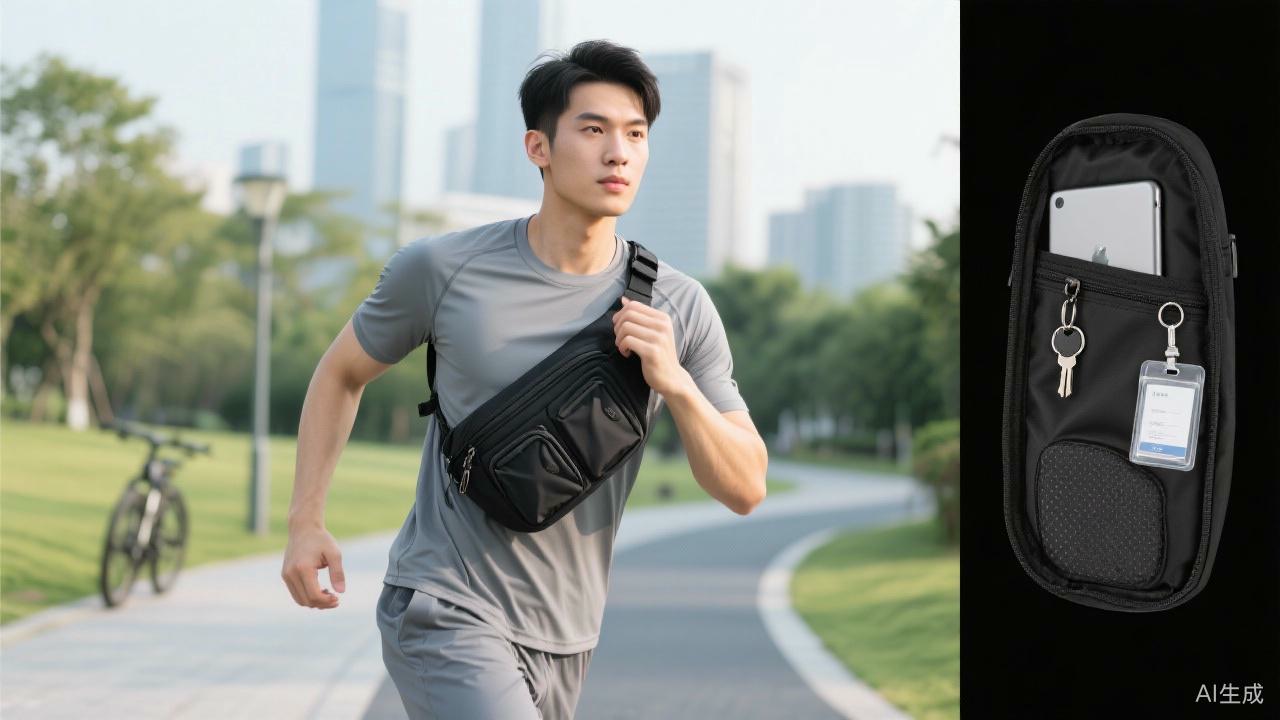
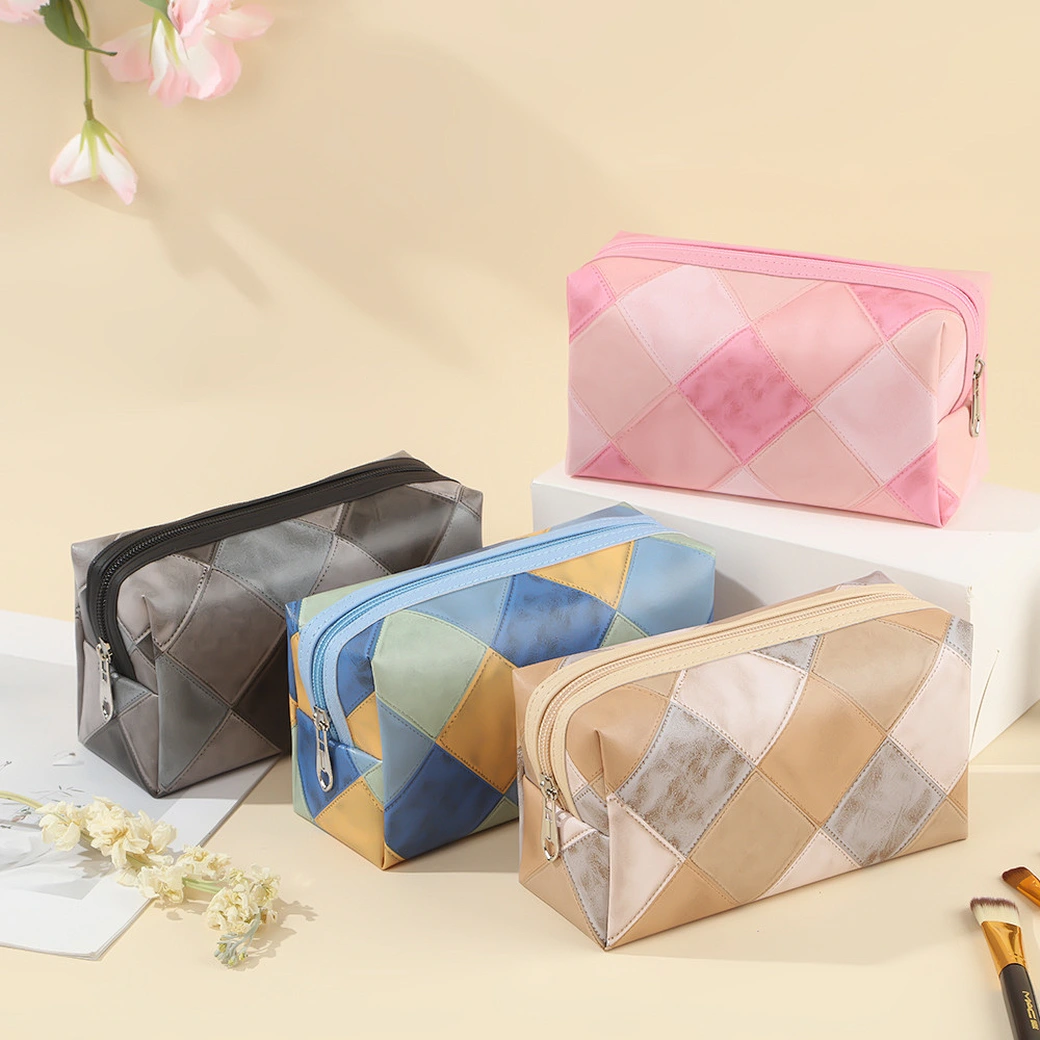
what is polyester
2025-12-19
Polyester Fiber: The Ideal Material Choice for Bag Manufacturing
What is Polyester Fiber?
Polyester fiber, commonly known as "polyester," is a synthetic fiber obtained by spinning polyester, a polymer formed by the condensation polymerization of organic diacids and diols. It belongs to the category of high molecular weight compounds. This material was successfully developed in 1941 by J.R. Winfield and J.T. Dickson in the UK, and has now become the world's most produced and widely used synthetic fiber.
Polyester fiber is ubiquitous in our daily lives. It can be found in clothing, home furnishings, and industrial materials. Especially in the bag manufacturing industry, polyester fiber has become one of the preferred raw materials due to its excellent performance characteristics.
What is Polyester Fiber?
Polyester fiber, commonly known as "polyester," is a synthetic fiber obtained by spinning polyester, a polymer formed by the condensation polymerization of organic diacids and diols. It belongs to the category of high molecular weight compounds. This material was successfully developed in 1941 by J.R. Winfield and J.T. Dickson in the UK, and has now become the world's most produced and widely used synthetic fiber.
Polyester fiber is ubiquitous in our daily lives. It can be found in clothing, home furnishings, and industrial materials. Especially in the bag manufacturing industry, polyester fiber has become one of the preferred raw materials due to its excellent performance characteristics.

Key Characteristics of Polyester Fiber
Polyester fiber possesses a series of impressive physical and chemical properties, making it particularly suitable for bag manufacturing:
Excellent Mechanical Properties: Polyester fiber has high breaking strength (4-7 cN/dex), high elastic modulus (14-17 GPa), and moderate elongation (20%-50%). This means that bags made of polyester fiber are extremely durable, able to withstand the various pressures and impacts of travel.
Excellent abrasion resistance: Polyester fiber's abrasion resistance is second only to nylon, surpassing most other synthetic fibers. This characteristic is crucial for bags that require frequent use, ensuring the product maintains its appearance and functionality for a long time.
Good wrinkle resistance and shape retention: Polyester fiber has a high elastic recovery ability, making bags less prone to permanent wrinkles during use, maintaining a crisp appearance.
Chemical resistance: Polyester fiber has good resistance to weak acids, weak alkalis, and common solvents, meaning bags can withstand various chemicals that may be encountered in daily use.

Advantages of Polyester Fiber in Bag Manufacturing
Perfect balance between durability and economy
For bag products, durability is one of the core factors consumers consider. Polyester fiber materials can withstand frequent use and wear during transportation, greatly extending the product's lifespan. At the same time, polyester fiber production processes are mature, and raw materials are relatively readily available, making it more competitively priced while maintaining high quality.
Abundant Design and Processing Possibilities
Polyester fiber is highly malleable, allowing for the acquisition of various properties through different processing methods. For example, irregular cross-section spinning technology can create fibers with special luster and feel; by adding various auxiliaries, special functions such as waterproofing, flame retardancy, and UV resistance can be achieved. This provides ample room for differentiated design of bags and luggage.
Easy to Clean and Maintain
Polyester fiber has a low moisture regain rate (0.4% under standard conditions), meaning it does not easily absorb water, and stains are not easily penetrated. This makes polyester fiber bags and luggage easier to clean; usually, most stains can be removed simply by wiping with a damp cloth, greatly simplifying product maintenance.

Environmentally Friendly Characteristics and Modern Development of Polyester Fiber
Innovative Applications of Recycled Polyester Fiber
With increasing environmental awareness, recycled polyester fiber (rPET) has become an important development direction in the industry. This material is made from waste PET products such as plastic bottles through more than ten processes including selection, washing, crushing, and melting. Using recycled polyester fiber not only reduces the consumption of petroleum resources but also provides a sustainable way to reuse waste plastics.
It's important to note that recycled polyester fiber is not currently mainstream in the market, partly due to its higher price compared to virgin polyester fiber and the limited availability of recycled raw materials. However, with technological advancements and improved recycling systems, the application of recycled polyester fiber in high-end luggage products is gradually increasing.
Clarifying Environmental Misconceptions
Some people worry that "polyester fiber is made from plastic bottles and may be harmful to health." In fact, PET plastic bottles undergo rigorous cleaning and processing in the process of being recycled into polyester fiber, and the final fiber material fully meets relevant safety standards. Therefore, consumers can use it with confidence.
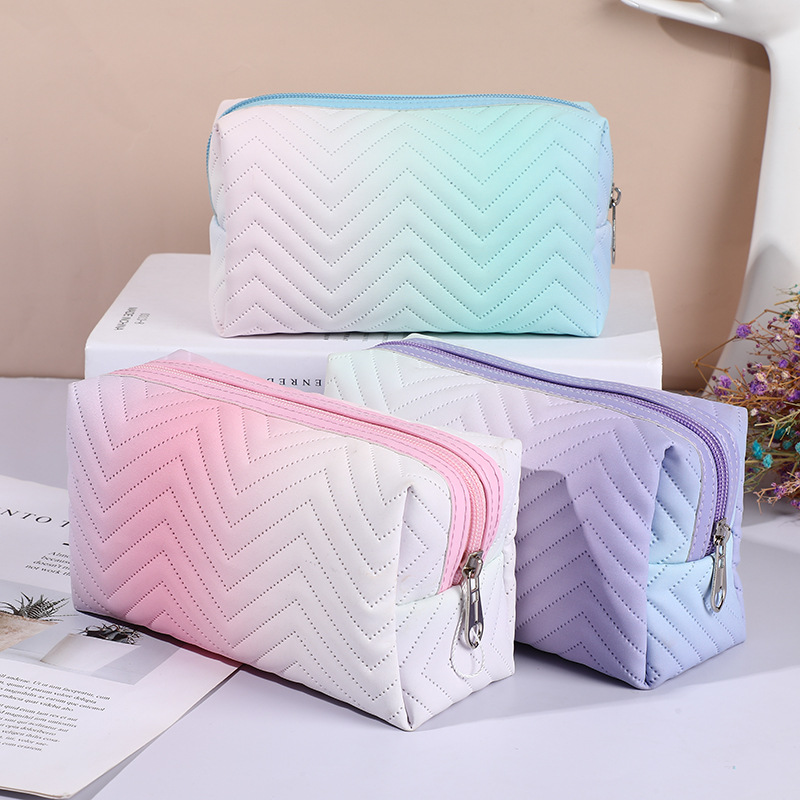
Conclusion
As a high-performance and economical synthetic fiber, polyester fiber demonstrates irreplaceable value in the luggage manufacturing industry. Its excellent durability, diverse design possibilities, and good environmental characteristics make it an ideal choice for modern luggage manufacturing.
With the continuous advancement of materials science, the application prospects of polyester fiber will be even broader. Our factory will continue to delve into this field, combining the latest material technologies with practical designs to provide customers with higher quality and more innovative luggage products.
Whether for business or leisure travel, polyester-based bags offer reliable protection for your belongings while showcasing your personal style. Learn more about our polyester bag products and experience the extraordinary feel of this technologically advanced material.

nylon vs polyester
what is pu material for bags
Related Article
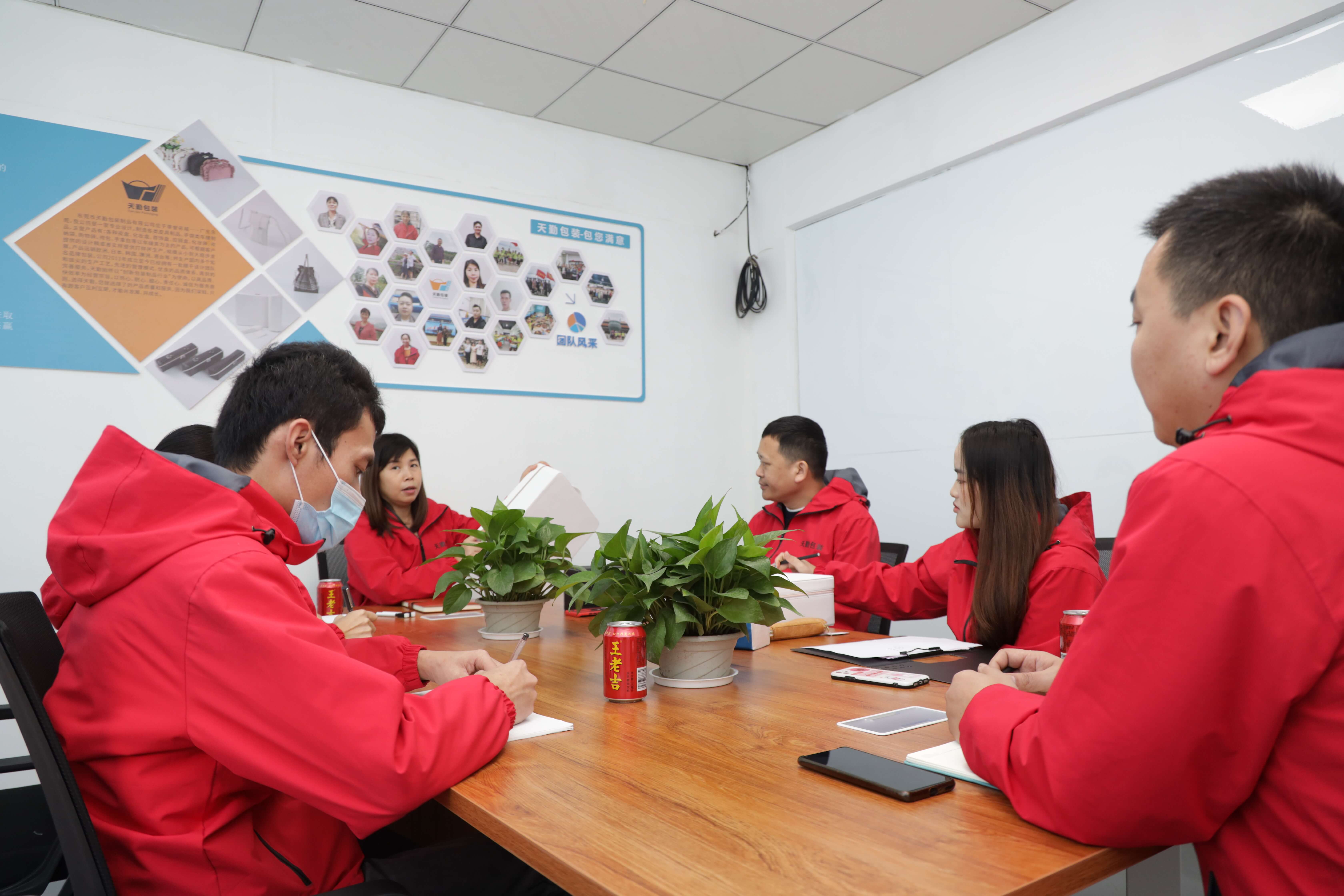
Choosing a custom bag manufacturer is one of the most critical decisions for your brand. Whether you're launching a new handbag line, sourcing promotional totes, or producing luxury backpacks, the right partner can make or break your product quality, delivery timeline, and profit margins.
Choose the Right Custom Bag Manufacturer

A dedicated shoe bag is a small but transformative travel accessory. It keeps your clean clothes separate from dirty soles, protects delicate footwear, and brings order to your luggage.
best-shoe-bags-for-travel