what is a money belt
What is a Money Belt?
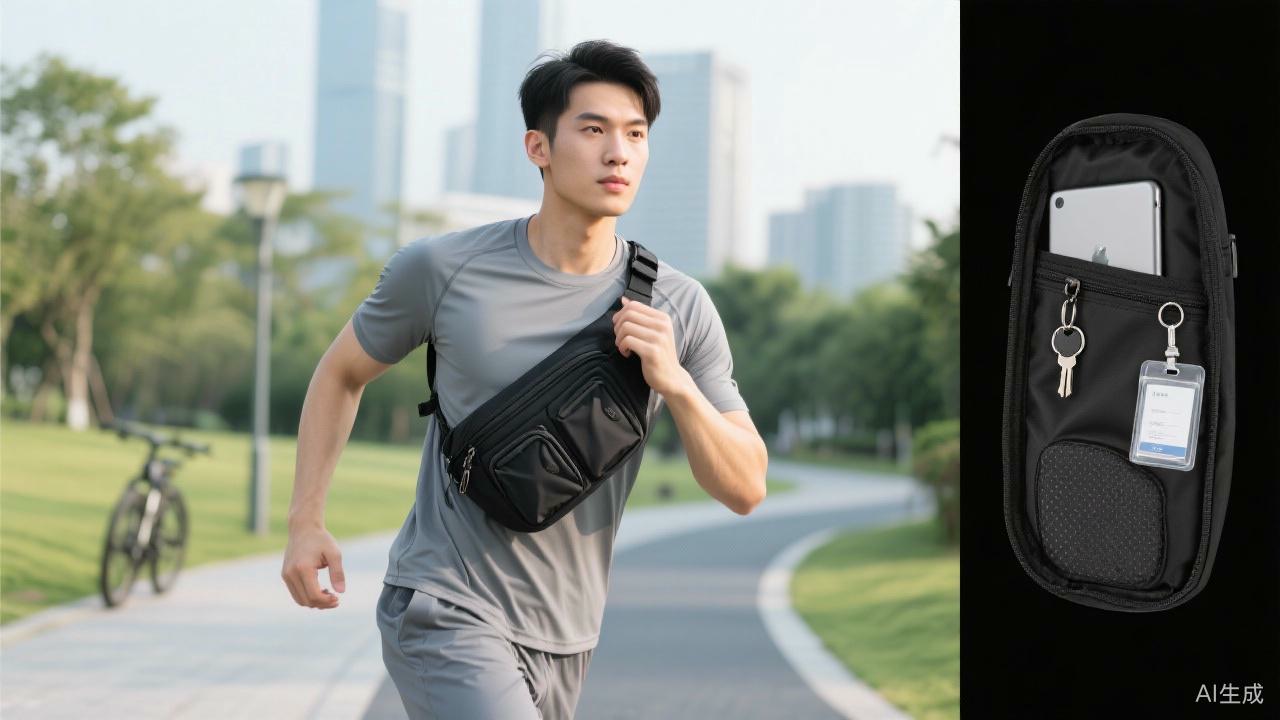
A money belt is a simple, secure, and essential piece of travel gear designed to keep your valuables safe and discreet. It's typically a flat, zippered pouch made from lightweight, durable fabric that is worn underneath clothing, fastened around the waist or across the chest. Its primary purpose is to carry your most important items—such as cash, credit cards, passport, and plane tickets—concealed and protected from pickpockets and theft while you're on the move.
For any traveler, whether backpacking through hostels or exploring bustling cities, a money belt provides immense peace of mind. It acts as your personal hidden safe for items you absolutely cannot afford to lose.

Key Benefits of Using a Money Belt
Why should a money belt be a non-negotiable item on your packing list? Here are its main advantages:
-
Enhanced Security & Theft Prevention
This is the number one reason to use one. Hiding your valuables under your clothes makes you almost invisible to opportunistic thieves. Pickpockets look for easy targets; a concealed money belt keeps you off their radar.
-
Peace of Mind
Knowing your passport and emergency cash are secured allows you to relax and immerse yourself in your journey. You can enjoy a vibrant market or a packed subway without constantly patting your pockets or checking your bag.
-
Organization of Essentials
It helps you practice savvy "compartmentalized" travel. Keep your day's spending money and one card in your regular wallet, while stashing your backup cash, primary cards, passport, and extras in the belt. If your wallet is lost or stolen, your vital assets remain safe.
-
Types of Money Belts: Which One is Right for You?
Not all money belts are created equal. Choosing the right style depends on your comfort and travel activities.
-
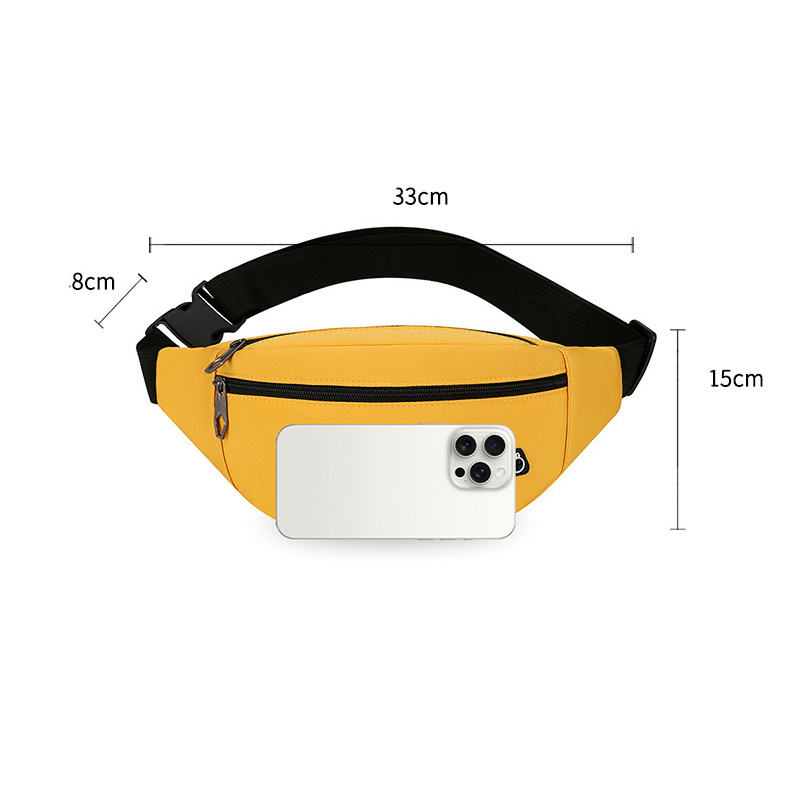
Waist Money Belt
The classic and most common type. It's a small pouch with an adjustable strap that fastens around the waist, worn under pants or a skirt.
-
Best for: Everyday travel, city sightseeing.
-
Considerations: Can be uncomfortable when sitting for long periods (e.g., on a bus), and requires lifting your shirt to access.
-
-
Neck Pouch (or Travel Neck Wallet)
Worn around the neck, under a shirt. It typically lies flat against the chest or stomach.
-
Best for: Easy access without reaching under your waistband. Good for documents you need to present occasionally, like a passport for check-in.
-
Considerations: The weight on the neck can be noticeable sometimes, and its outline might be visible under thin shirts.
-
-
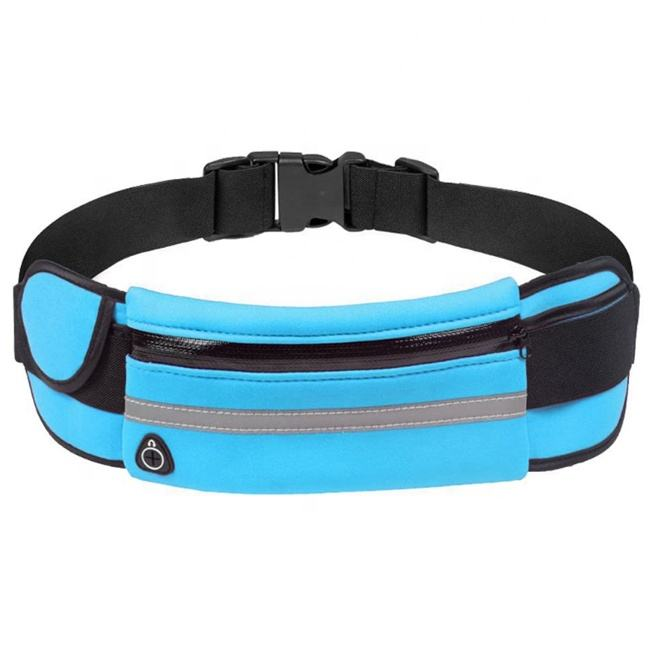
Leg Wallet
A pouch with a strap that wraps around the thigh, worn under pants or shorts.
-
Best for: Runners, hikers, or active travelers. Also excellent for wearing under dresses or skirts, especially when a waist belt isn't feasible.
-
Considerations: Requires reaching up your pant leg to access, which isn't always discreet in public.
-
-
How to Choose the Best Money Belt
When shopping for a money belt, pay attention to these features:
-
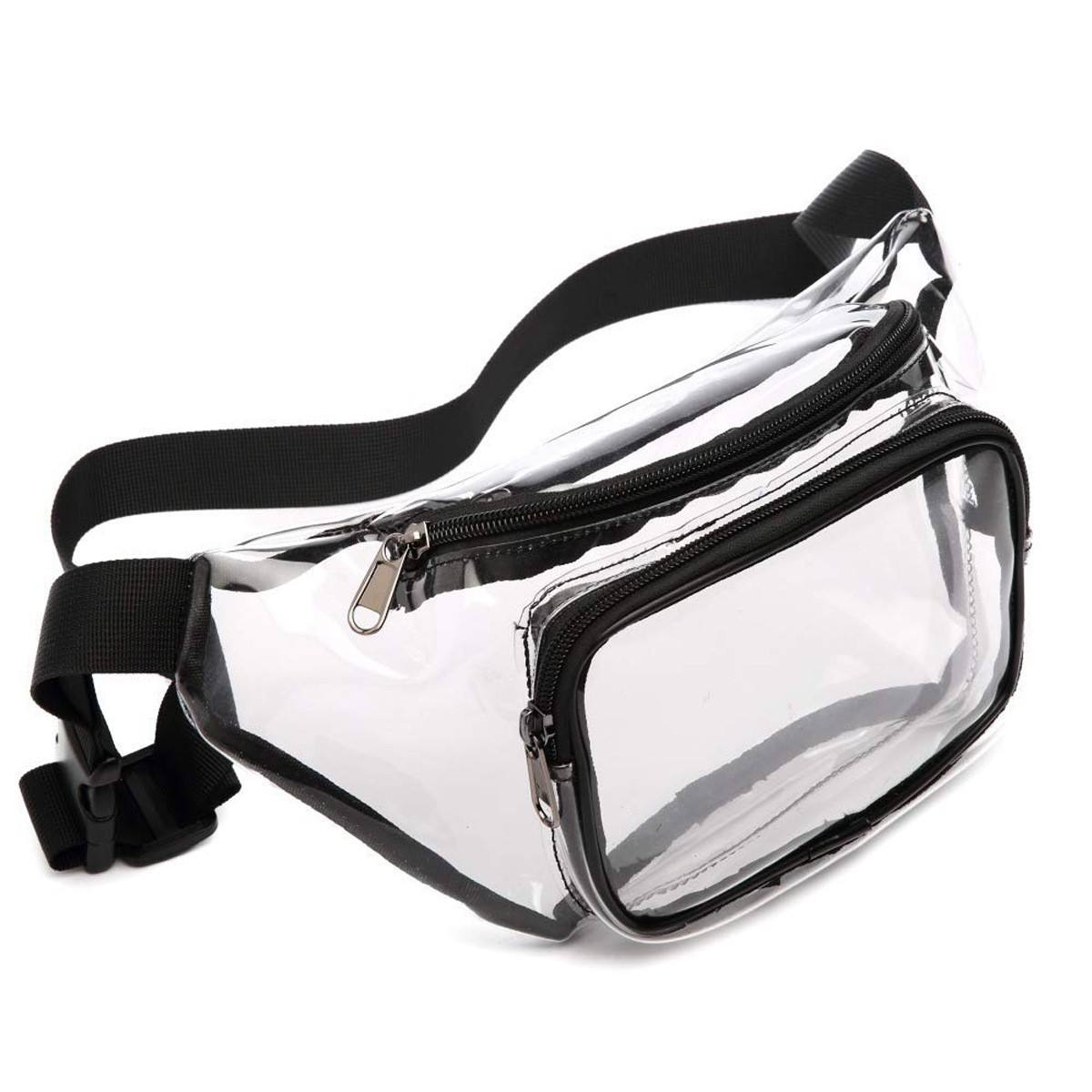
Material: Opt for lightweight, breathable, and moisture-wicking fabrics like nylon or microfiber. Avoid noisy materials like vinyl.
-
RFID Blocking: An increasingly important feature. It blocks electronic scanners from stealing data from your credit card or passport chip. Highly recommended for modern travel.
-
Size & Capacity: It should be large enough for a passport, a few cards, and folded bills, but not so bulky that it creates a visible lump. Look for slim profiles.
-
Comfort & Adjustability: Ensure the strap is wide, soft, and fully adjustable for a secure, comfortable fit.
-
Security: A reliable, smooth-running zipper is crucial. Some models add a second internal zipper or a Velcro flap for extra security.
-
Pro Tips for Using Your Money Belt Effectively
-
Pack Smart: Only store essential, non-replaceable items inside. Don't use it as a catch-all—it will become bulky and hard to access.
-
Access Discreetly: Always find a private spot (e.g., a restroom, a quiet corner) to retrieve items. Never open it in a crowded public area.
-
Keep it Dry: Remember to remove it before swimming or showering. A waterproof pouch is recommended for beach days.
-
Security at Night: In hostel dorms or shared rooms, keep the belt in a locked suitcase or sleep with it under your pillow.
pu leather vs PVC leather
what are burlap bags
Related Article