what-is-a-bag

What is a Bag? The Ultimate Guide to Its Function, Design & Choice
At first glance, a bag seems simple. Yet, as a bag manufacturer, we know it’s a fundamental tool of human life. This guide explores what a bag truly is, helping you understand and choose the perfect one.
More Than Just a Container: A Core Definition
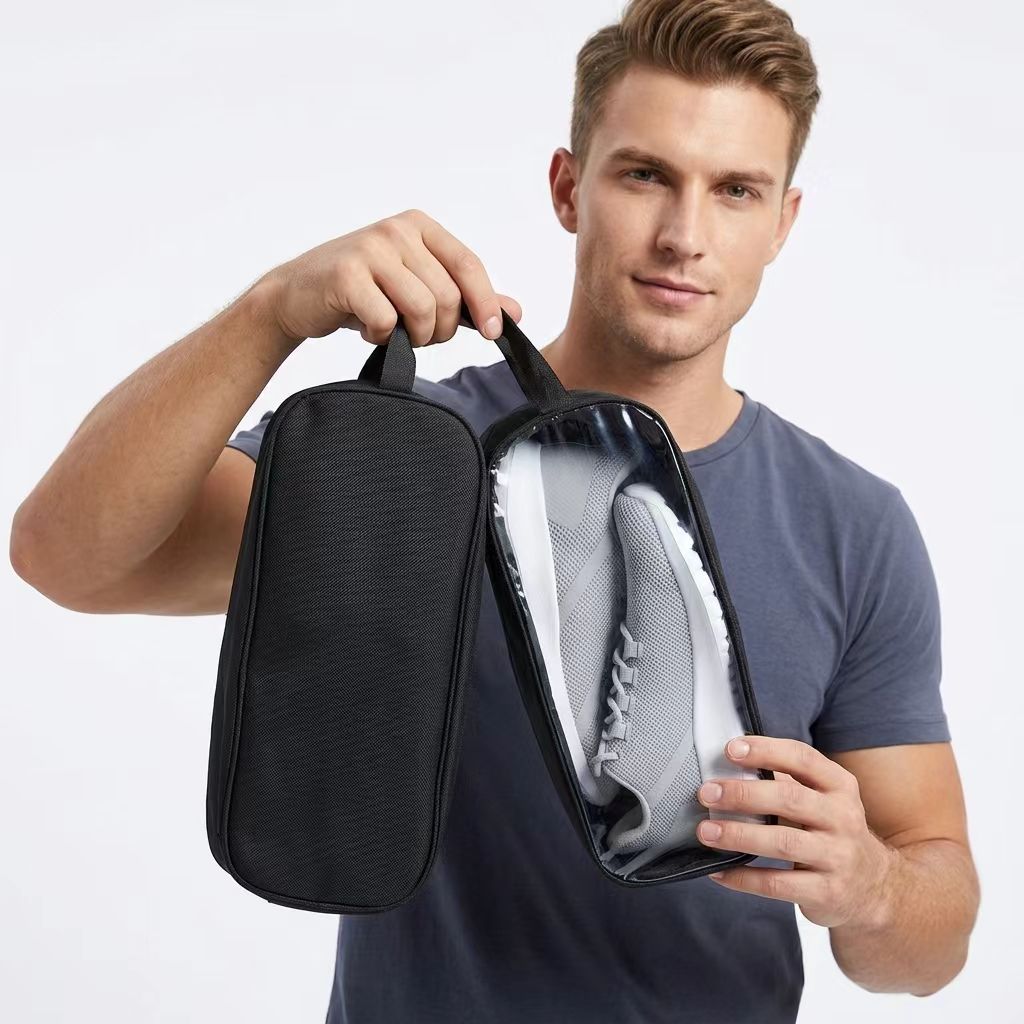
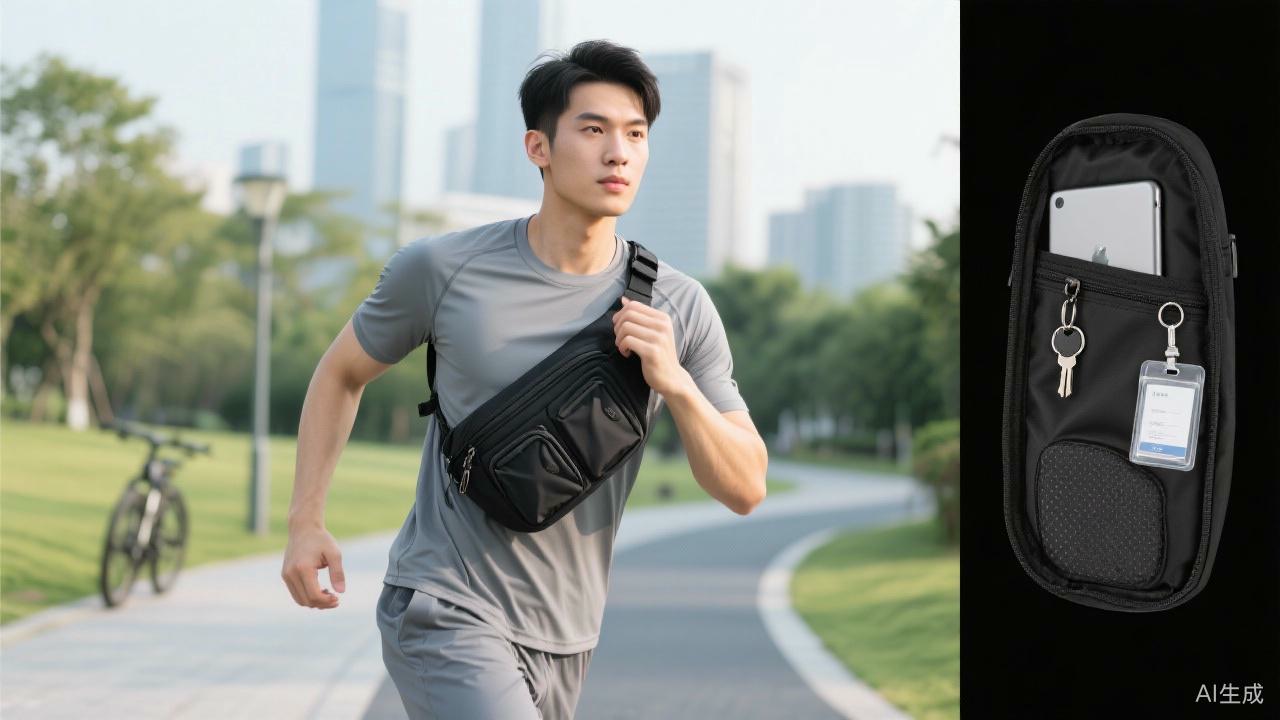
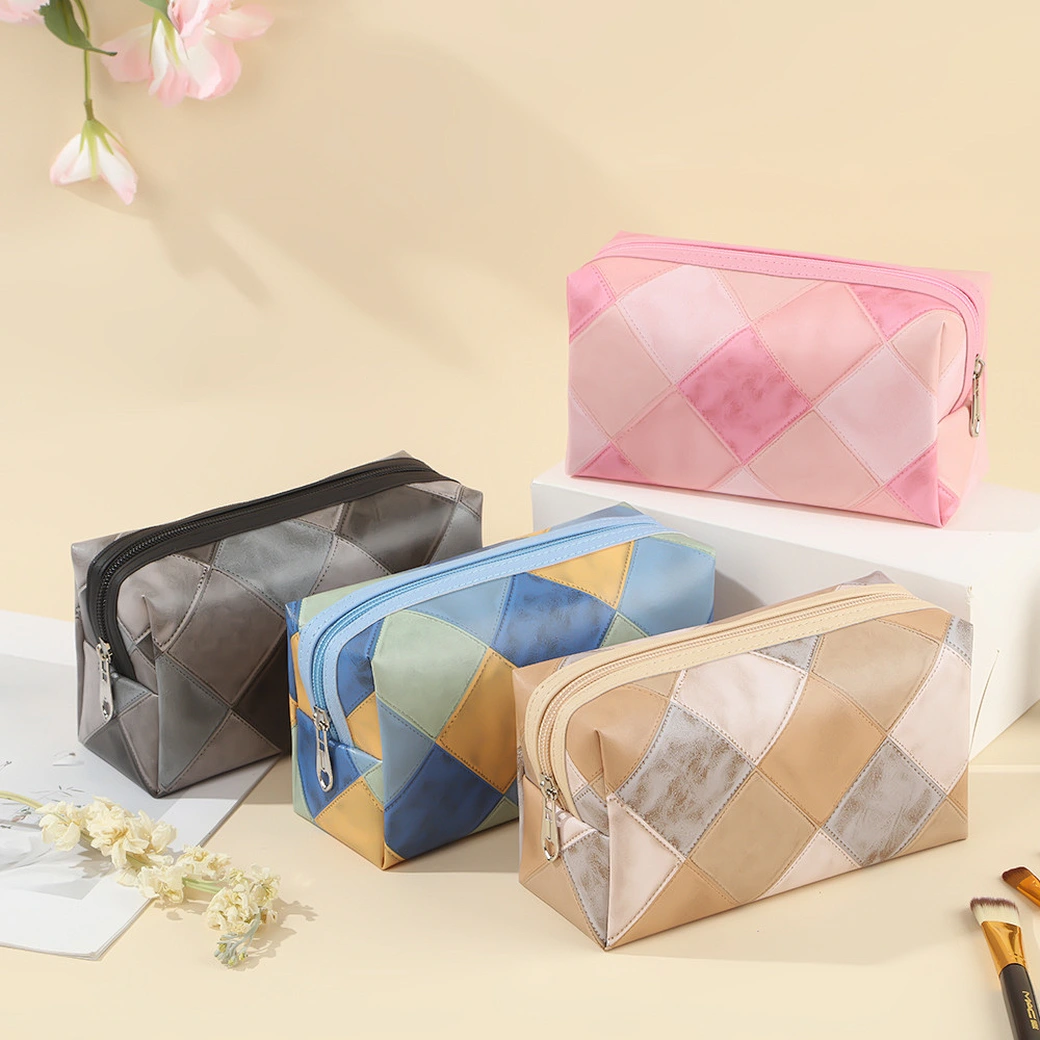
A bag is a flexible container with an opening, designed to carry, protect, organize, and transport personal items. Its primary function is utility, but it also serves as a powerful extension of personal style, profession, and lifestyle.
The Dual Role of Every Bag
Every bag balances two core aspects:
-
Function: Its practical ability to hold and protect contents.
-
Form: Its design, material, and aesthetic expression.
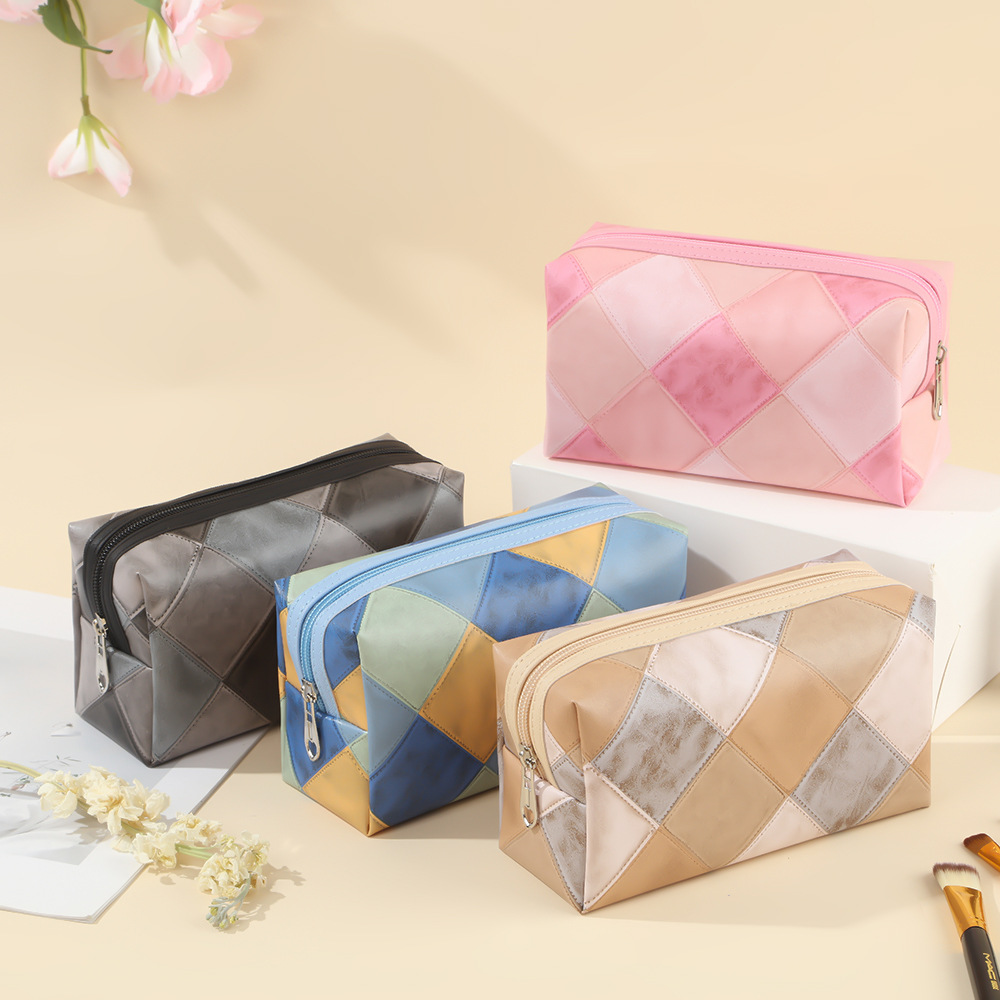
A Brief Journey Through Time: The Evolution of the Bag
The bag’s history is a mirror to human progress, evolving from pure necessity to a fashion statement.
From Pouch to Purse: The Ancient Foundations
The earliest bags were simple pouches made from animal skin or plant fibers, used to carry food and tools. In medieval Europe, both men and women wore drawstring pouches (“purses”) tied to their belts, carrying coins and valuables.
The Modern Revolution: Specialization and Style
The Industrial Revolution changed everything:
-
The 19th Century: The suitcase emerged with mass travel. The term “handbag” appeared for handheld luggage.
-
The 20th Century: Fashion took over. Iconic designs from houses like Chanel, Hermès, and Louis Vuitton emerged. New materials like nylon and plastic made bags affordable and versatile.
-
Today: Bags are highly specialized—from ergonomic laptop backpacks to insulated grocery totes.
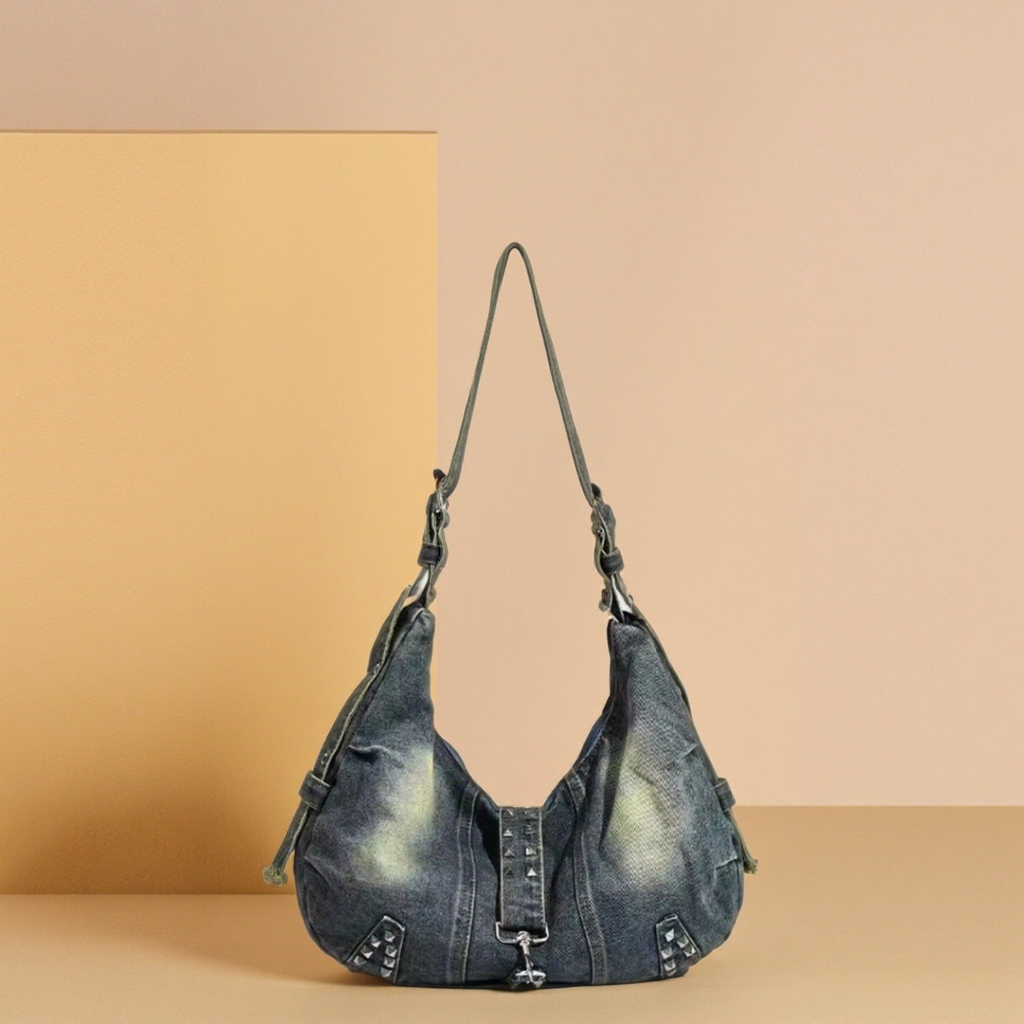
Anatomy of a Quality Bag: Deconstructing the Components
Understanding a bag’s parts is key to judging its quality and suitability.
Primary Structural Components
These define the bag’s shape and core function.
-
Body/Shell: The main structure. Quality is determined by material (e.g., full-grain leather, ballistic nylon, canvas) and construction (stitching, bonding).
-
Closure: Secures the opening. Types include zippers, flaps with buckles, magnets, drawstrings, or a simple fold-over.
-
Carrying Elements: How you bear the weight.
-
Straps/Handles: Look for reinforced attachment points (stays or rivets), padding, and adjustable length.
-
Hardware: Zippers, buckles, D-rings. YKK zippers and solid metal hardware are industry benchmarks for durability.
-
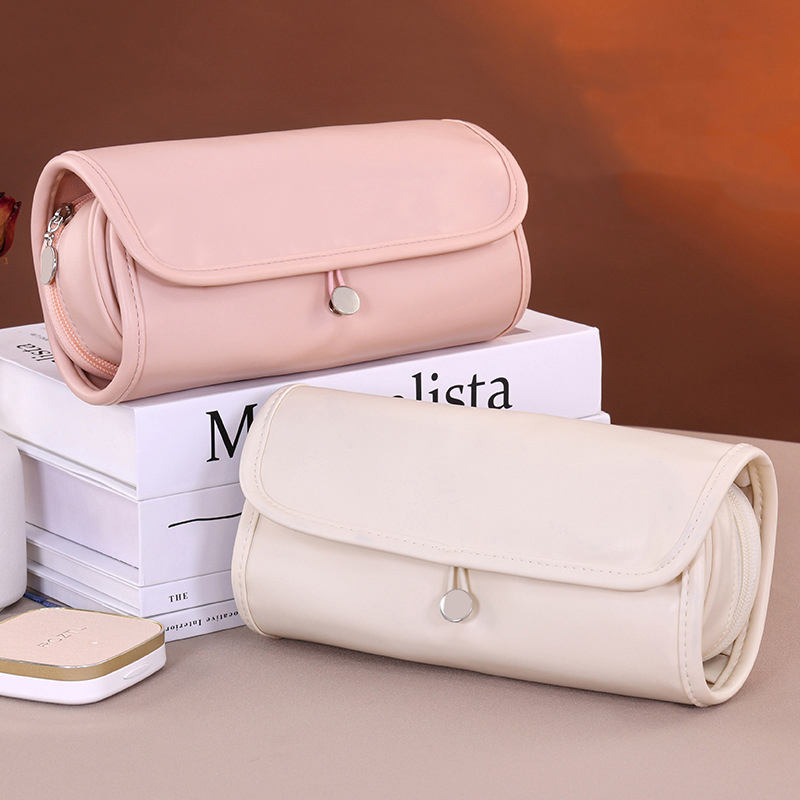
Secondary Components for Organization & Access
These enhance usability and are signs of thoughtful design.
-
Compartments & Pockets:
-
Main Compartment: The largest storage area.
-
Internal Organization: Pockets, pen slots, key clips.
-
External Pockets: For quick-access items.
-
-
Feet: Small protective studs on the bottom to prevent wear and moisture absorption.
-
Lining: The interior fabric. A durable, stain-resistant lining (often polyester) protects contents and hides the internal construction.
The Essential Trio: Material, Craftsmanship, Design
Three pillars determine a bag’s quality, cost, and longevity.
Material: The Foundation
-
Natural: Leather (durable, ages beautifully), Canvas (strong, casual), Cotton (lightweight).
-
Synthetic: Nylon (light, water-resistant), Polyester (color-fast, affordable), Recycled Materials (increasingly popular for sustainability).
-

Craftsmanship: The Execution
-
Stitching: Even, tight stitches (e.g., box-stitching at stress points) indicate quality.
-
Edge Painting: On leather bags, a clean painted edge prevents fraying and adds a finished look.
-
Alignment: Patterns and seams should match precisely.
Design: The User Experience
-
Ergonomics: How comfortably it carries (e.g., padded, curved straps).
-
Accessibility: How easily you can reach your items.
-
Aesthetics: The visual style that matches the user’s identity.
How to Choose the Right Bag: A Needs-Based Guide
The “perfect” bag is the one that perfectly fits your specific use case. Follow this decision flow.
Step 1: Define Your Primary Use Case
Ask: "What is the single main thing I will use this bag for 80% of the time?"
-
Commuting to Work: Professional look, laptop compartment, organization for tech.
-
College/School: Large capacity for books, durable materials, comfort for all-day wear.
-
Travel: Hands-free design, secure closures, compliance with airline size rules.
-
Fashion/Everyday: Style-focused, complements outfits, holds daily essentials.
-

Step 2: Select the Type Based on Function
Match your primary use to a category:
|
Bag Type |
Best For |
Key Feature |
|---|---|---|
|
Backpack |
Hands-free carry, heavy loads, even weight distribution. |
Two padded shoulder straps. |
|
Tote Bag |
Casual carry, shopping, light everyday items. |
Large open top, two handles. |
|
Messenger Bag |
Quick access, urban commute, moderate loads. |
Single crossbody strap, flap closure. |
|
Handbag/Purse |
Fashion, daily essentials, professional settings. |
Variety of styles (clutch, satchel). |
|
Duffel Bag |
Gym gear, short trips, soft-sided storage. |
Cylindrical shape, drawstring or zip. |
|
Rolling Case |
Heavy travel, avoiding back strain. |
Retractable handle and wheels. |
Step 3: Prioritize Must-Have Features
Create a shortlist of non-negotiable features.
-
Example for a Student: Padded laptop sleeve (15”), water bottle pocket, durable waterproof material.
-
Example for a Traveler: RFID-blocking pocket, lockable zippers, hidden back panel for suitcase strap.
Step 4: Consider Quality and Investment
-
For Daily Use: Invest in durable materials and construction. It costs more upfront but lasts years.
-
For Occasional/Specialized Use: A well-made mid-range option may suffice.
-

Ultimately, a bag is a trusted companion for daily life. Understanding its purpose, construction, and how it fits your needs transforms it from a simple container into an indispensable tool.
Ready to create or source the perfect bag? Understanding these fundamentals is what we do every day. As a professional bag factory, we partner with brands to turn these principles into products. Contact us to discuss your vision.
Types of Canvas Bags
How to Sew a Laptop Case
Related Article