what are the different kinds of bags
2025-12-13

A Comprehensive Guide to the Different Types of Bags
Introduction
Bags are more than just functional accessories for carrying our belongings—they are essential fashion statements that reflect personal style and serve diverse practical needs. From sleek clutches for evening events to rugged backpacks for outdoor adventures, the world of bags offers endless possibilities to express individuality while meeting everyday demands.we understand that the right bag not only complements an outfit but also enhances daily life by keeping items organized and secure.
The evolution of bags has been remarkable, transitioning from simple pouches used in ancient times to today's sophisticated designs that blend artistry with functionality. With the growing emphasis on sustainability and innovation, modern bags now incorporate eco-friendly materials and smart technology, making them more versatile and responsible than ever before. Whether you're a fashion enthusiast seeking the latest trends or a practical user needing reliable storage solutions, understanding the different types of bags available can help you make informed choices that align with your lifestyle and values.
In this guide, we will explore the vast landscape of bags, delving into their various categories, unique features, and ideal use cases. By the end, you'll have a clearer picture of how to select the perfect bag for any occasion, ensuring you stay both stylish and prepared for whatever the day brings.
Understanding Bag Classifications
Bags can be categorized in multiple ways, depending on their purpose, material, and design. This classification helps in understanding which bag is best suited for specific activities or occasions. For instance, a backpack might be ideal for travel due to its hands-free convenience, while a briefcase exudes professionalism in corporate settings.
• By Purpose: Bags like backpacks and totes are great for daily use, as they offer ample space and comfort. In contrast, evening bags or clutches are designed for special events, focusing more on style than storage.
• By Material: The choice of material—whether it's luxurious leather, practical nylon, or eco-friendly recycled fabrics—can define a bag's look, durability, and even its price point. Leather bags, for example, are known for their longevity and timeless appeal.
• By Design: From minimalist designs that appeal to those who prefer understated elegance to bold, colorful patterns that make a fashion statement, the design of a bag plays a key role in its overall attractiveness and functionality.
Understanding these categories allows you to navigate the options more effectively, ensuring that your choice not only meets your practical needs but also aligns with your aesthetic preferences.
Introduction
Bags are more than just functional accessories for carrying our belongings—they are essential fashion statements that reflect personal style and serve diverse practical needs. From sleek clutches for evening events to rugged backpacks for outdoor adventures, the world of bags offers endless possibilities to express individuality while meeting everyday demands.we understand that the right bag not only complements an outfit but also enhances daily life by keeping items organized and secure.
The evolution of bags has been remarkable, transitioning from simple pouches used in ancient times to today's sophisticated designs that blend artistry with functionality. With the growing emphasis on sustainability and innovation, modern bags now incorporate eco-friendly materials and smart technology, making them more versatile and responsible than ever before. Whether you're a fashion enthusiast seeking the latest trends or a practical user needing reliable storage solutions, understanding the different types of bags available can help you make informed choices that align with your lifestyle and values.
In this guide, we will explore the vast landscape of bags, delving into their various categories, unique features, and ideal use cases. By the end, you'll have a clearer picture of how to select the perfect bag for any occasion, ensuring you stay both stylish and prepared for whatever the day brings.
Understanding Bag Classifications
Bags can be categorized in multiple ways, depending on their purpose, material, and design. This classification helps in understanding which bag is best suited for specific activities or occasions. For instance, a backpack might be ideal for travel due to its hands-free convenience, while a briefcase exudes professionalism in corporate settings.
• By Purpose: Bags like backpacks and totes are great for daily use, as they offer ample space and comfort. In contrast, evening bags or clutches are designed for special events, focusing more on style than storage.
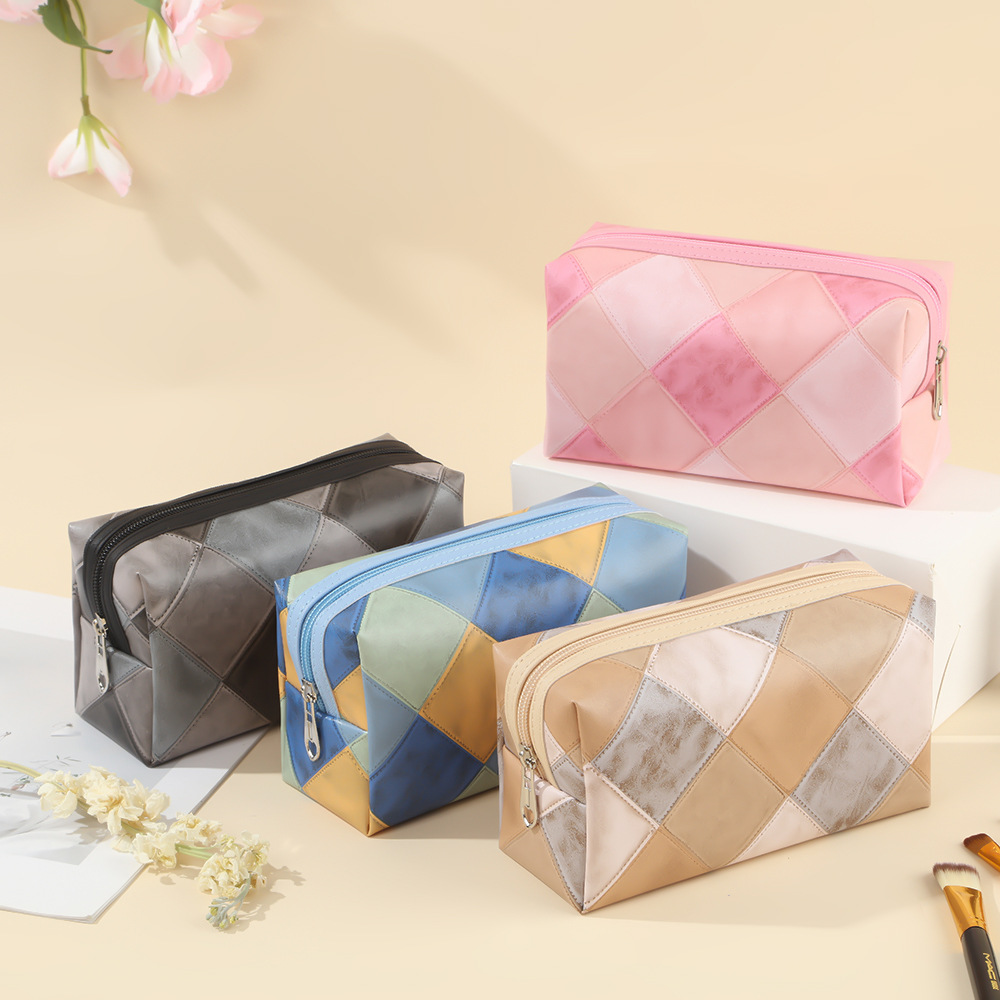
• By Material: The choice of material—whether it's luxurious leather, practical nylon, or eco-friendly recycled fabrics—can define a bag's look, durability, and even its price point. Leather bags, for example, are known for their longevity and timeless appeal.
• By Design: From minimalist designs that appeal to those who prefer understated elegance to bold, colorful patterns that make a fashion statement, the design of a bag plays a key role in its overall attractiveness and functionality.
Understanding these categories allows you to navigate the options more effectively, ensuring that your choice not only meets your practical needs but also aligns with your aesthetic preferences.

Common Types of Bags
Handbags
Handbags are a staple in many people's wardrobes, known for their versatility and style. They come in various shapes and sizes, each serving a unique purpose:
• Tote Bags: Characterized by their large, open-top design and parallel handles, totes are perfect for carrying groceries, books, or beach essentials. They are a favorite among students and parents for their spaciousness and ease of use.
• Satchels: These are typically medium to large bags with a structured shape and a top handle. Satchels often feature multiple compartments, making them ideal for organizing items like tablets, wallets, and keys. They strike a balance between casual and formal, suitable for work or weekend outings.
• Hobo Bags: With a slouchy, crescent shape and a long strap, hobo bags offer a relaxed, bohemian vibe. They are lightweight and comfortable to carry, making them great for days when you need to be on the move without sacrificing style.

Shoulder and Crossbody Bags
For those who prefer a hands-free option, shoulder and crossbody bags are excellent choices. They provide security and convenience, especially in crowded places:
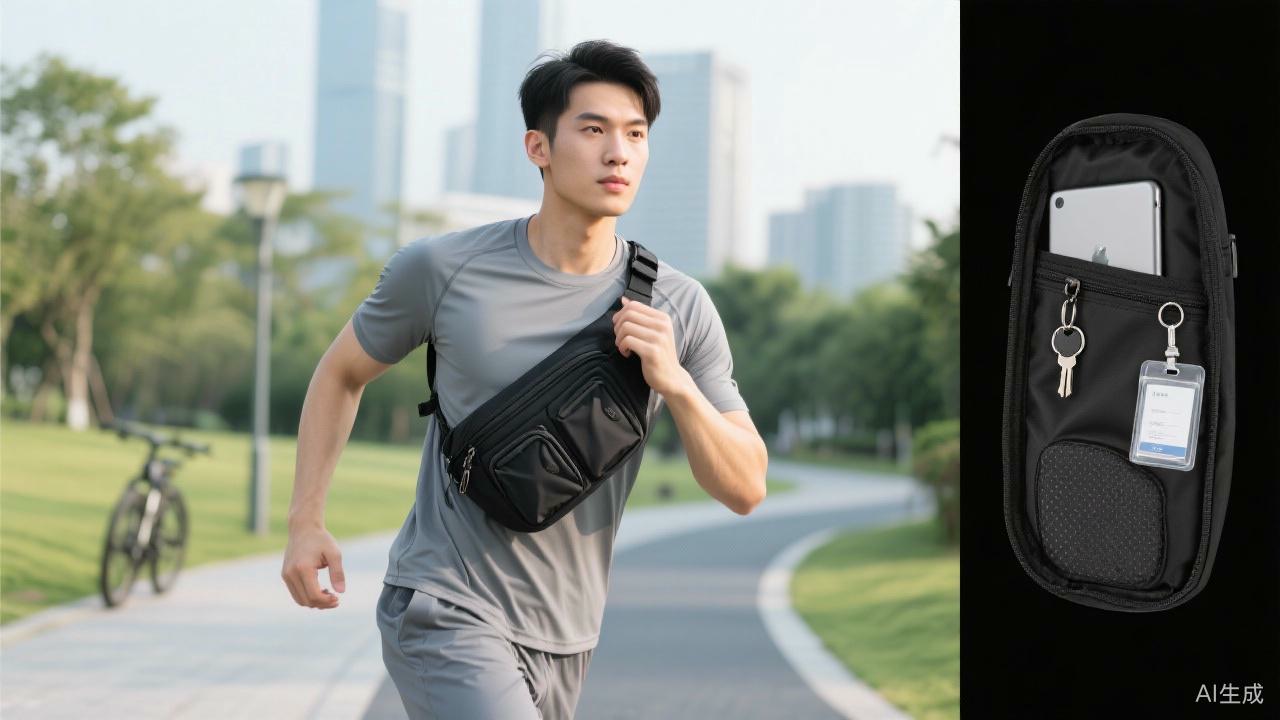
• Crossbody Bags: Worn across the torso, these bags keep your belongings safe and easily accessible. They are perfect for travel or city exploration, as they allow you to move freely while keeping your essentials close at hand.
• Messenger Bags: Originally designed for postal workers, messenger bags feature a flap closure and a long strap. They are popular among commuters and professionals for their practicality and sleek appearance. Modern versions often include padded compartments for laptops and other gadgets.

Backpacks
Backpacks are celebrated for their ergonomic design and capacity. They distribute weight evenly across the back, reducing strain and making them ideal for carrying heavy items:
• Daypacks: Smaller and lightweight, daypacks are perfect for hiking, school, or daily commutes. They usually have multiple pockets to keep items organized and are made from durable materials like nylon or polyester.
• Laptop Backpacks: Designed specifically for tech users, these backpacks have padded sleeves to protect electronic devices. They often include extra features like cable organizers and water bottle holders, catering to the needs of students and professionals alike.
• Fashion Backpacks: Combining functionality with style, these backpacks come in various designs, from sleek leather versions for urban settings to trendy patterns for casual outings. They prove that practicality doesn't have to come at the expense of aesthetics.
Specialized Bags
Some bags are tailored for specific activities or groups, offering targeted functionality:
• Briefcases: A symbol of professionalism, briefcases are typically made from leather and feature a structured, rectangular shape. They are designed to hold documents, laptops, and other work essentials, often with secure closures like locks or zippers.
• Weekender Bags: As the name suggests, these are perfect for short trips. They are spacious enough to hold clothing and toiletries but designed to be carried like a duffel bag. Many include separate compartments for shoes or dirty laundry.
• Waist Packs and Belt Bags: Worn around the waist, these bags have gained popularity for their hands-free convenience and compact size. They are ideal for festivals, sports events, or situations where you need quick access to your phone, keys, or wallet.
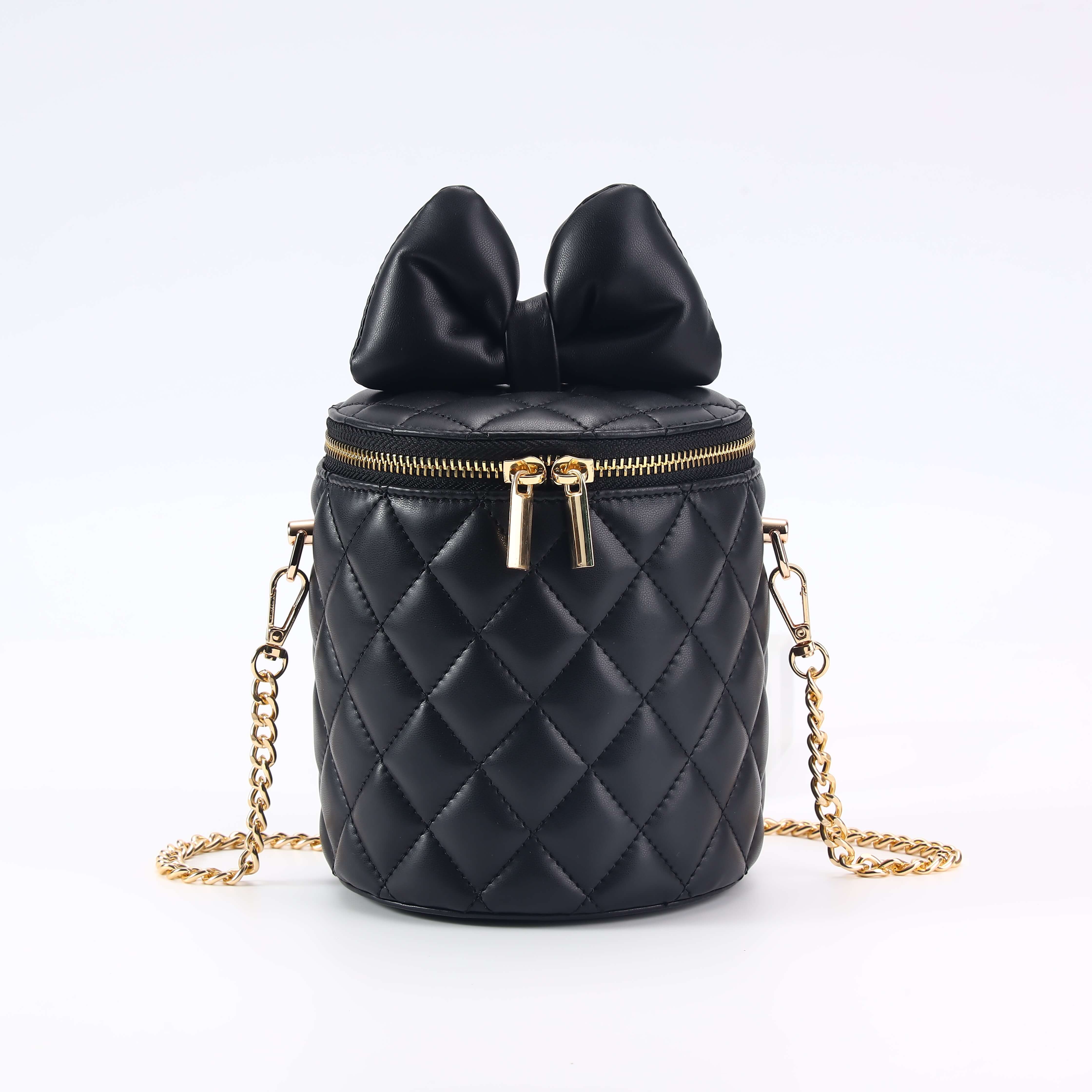
Bag Materials and Their Characteristics
The material of a bag not only influences its appearance and durability but also its environmental impact. Here's a closer look at common materials used in bag manufacturing:
• Leather: Renowned for its luxury and longevity, leather bags can last for years with proper care. Full-grain leather, in particular, develops a unique patina over time, adding to its charm. However, it requires regular maintenance to prevent drying or cracking.
• Synthetic Materials: Options like PU leather, nylon, and polyester are popular for their affordability and versatility. PU leather, for instance, mimics the look of real leather but is easier to clean and more budget-friendly. Nylon is lightweight and water-resistant, making it great for outdoor or travel bags.
• Natural Fabrics: Materials such as canvas, cotton, and jute offer a casual, eco-friendly alternative. Canvas bags are especially durable and often used for totes or shopping bags. They are biodegradable and can be recycled, reducing their environmental footprint.
• Innovative and Eco-Friendly Materials: With sustainability becoming a priority, many brands are turning to recycled plastics, organic cotton, or plant-based leathers. These materials minimize waste and carbon emissions, appealing to environmentally conscious consumers.
Understanding these materials helps you choose a bag that not only suits your style but also aligns with your values, especially if you prioritize sustainability.

How to Choose the Right Bag
Selecting the perfect bag involves considering several factors to ensure it meets your needs:
• Purpose and Occasion: Think about where you'll use the bag most. A sleek clutch might be ideal for a formal event, while a spacious backpack would be better for work or school.
• Size and Capacity: Ensure the bag is large enough to hold your essentials without being too bulky. If you carry a laptop or books, look for designs with dedicated compartments to keep items secure and organized.
• Comfort and Ergonomics: Features like padded straps or adjustable handles can make a big difference, especially if you carry the bag for long hours. Test how it feels when worn or carried to avoid discomfort.
• Style and Personal Preference: Your bag should reflect your personality. Whether you prefer classic, neutral colors or bold patterns, choose a design that you'll enjoy using daily.
• Budget and Brand: While high-end brands may offer superior craftsmanship, there are plenty of affordable options that don't compromise on quality. Set a budget and explore brands that are known for reliability and good value.
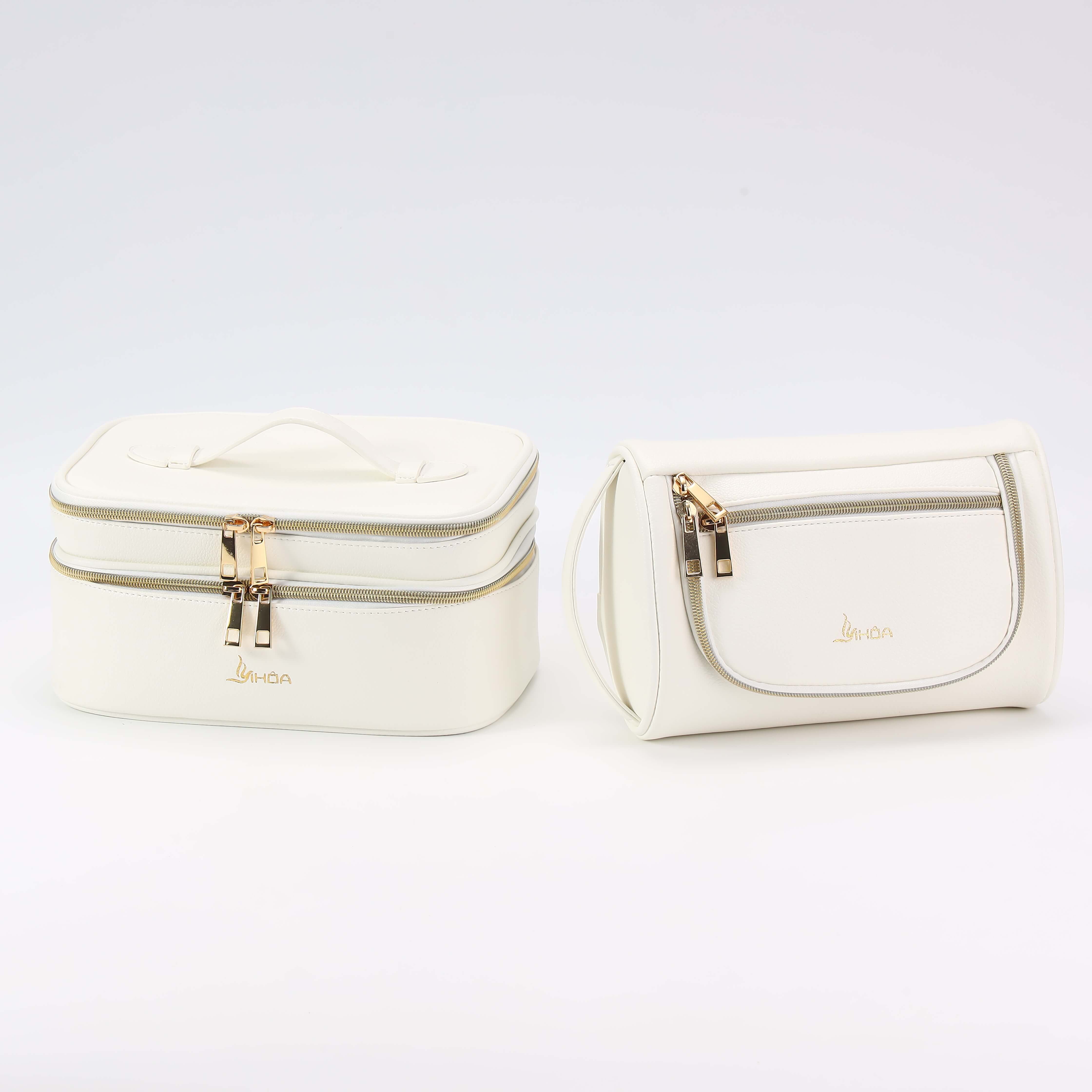
Care and Maintenance Tips for Bags
Proper care can extend the life of your bag significantly. Here are some general tips:
• Regular Cleaning: Wipe down leather bags with a damp cloth and use a soft brush for fabric bags. Avoid harsh chemicals that could damage the material.
• Proper Storage: When not in use, store bags in a cool, dry place away from direct sunlight. Stuff them with paper to help maintain their shape, and use dust bags to prevent scratches or discoloration.
• Protection from Elements: For leather bags, consider applying a waterproofing spray to guard against rain. For fabric bags, check if they are machine washable or require special cleaning methods.
• Handling Wear and Tear: Address issues like loose stitches or broken zippers promptly to prevent further damage. For expensive or sentimental bags, professional repair services can be a worthwhile investment

Conclusion
Bags are indispensable tools that blend functionality with fashion, catering to a wide array of needs and preferences. From the practicality of a well-designed backpack to the elegance of a clutch, understanding the different types of bags available empowers you to make choices that enhance your daily life. As the industry continues to evolve, with a growing emphasis on sustainability and innovation, consumers can look forward to even more options that align with their values.
At Dongguan Tianqin Packaging, we are proud to contribute to this dynamic landscape by crafting bags that prioritize quality, durability, and style. We hope this guide has provided valuable insights to help you navigate the world of bags with confidence. For more information or to explore our products, feel free to reach out—we're here to help you find the perfect bag for every occasion.
what fabric is best for tote bags
what is the difference between sling bag and crossbody bag
Related Article

Choosing a custom bag manufacturer is one of the most critical decisions for your brand. Whether you're launching a new handbag line, sourcing promotional totes, or producing luxury backpacks, the right partner can make or break your product quality, delivery timeline, and profit margins.
Choose the Right Custom Bag Manufacturer
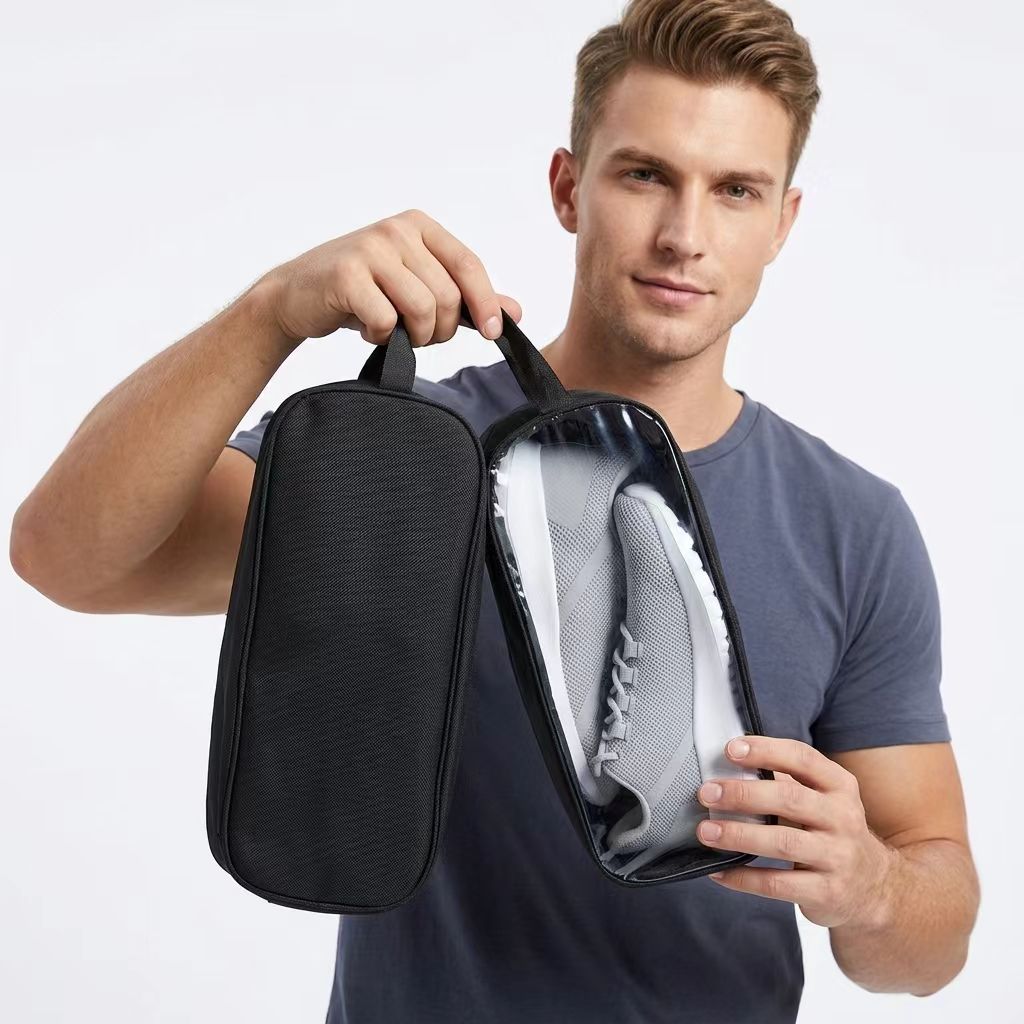
A dedicated shoe bag is a small but transformative travel accessory. It keeps your clean clothes separate from dirty soles, protects delicate footwear, and brings order to your luggage.
best-shoe-bags-for-travel