what-are-designer-bags
What Are Designer Bags: A Complete Guide for the Discerning Shopper
Introduction
Designer bags are more than just accessories; they are symbols of craftsmanship, status, and personal style. For anyone navigating the world of luxury fashion, understanding what sets designer bags apart is essential. This guide will break down everything you need to know—from their defining characteristics to how to choose the perfect one for your needs.

What Exactly Defines a "Designer Bag"?
A designer bag is a high-end accessory created under the direction of a recognized fashion house or an acclaimed designer. It represents a blend of artistic vision, superior materials, and often, a rich brand heritage.
Key Characteristics of Authentic Designer Bags
-
Brand Legacy & Creative Signature: Each bag is born from a specific design philosophy, like Chanel's timeless elegance or Bottega Veneta's intricate intrecciato weave.
-
Exceptional Material Quality: Premium materials are non-negotiable. This includes full-grain leathers, durable coated canvases, and high-quality hardware.
-
Artisan-Level Construction: The focus is on precise techniques—hand-stitching, reinforced seams, and flawless alignment—that ensure durability and a polished finish.
-
Cohesive Design Identity: Every element, from the logo placement to the lining and dust bag, is meticulously considered to reflect the brand's universe.
-

How Designer Bags Differ from Regular Handbags
While all bags serve a functional purpose, the divergence lies in the details and intent.
|
Feature |
Designer Bags |
Regular / Mass-Market Handbags |
|---|---|---|
|
Primary Focus |
Artistic expression, brand legacy, and heritage. |
Functionality, current trends, and affordability. |
|
Materials |
Top-tier leathers, exotic skins, high-end textiles. |
Synthetic leathers, standard fabrics, and common metals. |
|
Craftsmanship |
Significant hand-assembly, artisan techniques, rigorous QC. |
Largely machine-made, efficient production for scale. |
|
Brand Value |
High perceived value from brand prestige and history. |
Value derived from style, functionality, and price. |
|
Price Point |
High, reflecting materials, labor, and brand equity. |
Accessible, focused on mass-market appeal. |
|
Resale Value |
Often retains value; iconic styles can appreciate. |
Typically depreciates quickly after purchase. |
The "It" Factor: Brand Prestige
A significant part of what you invest in is the brand's story. The allure comes from runway shows, celebrity endorsements, and a sense of belonging to an exclusive lifestyle.

Who Are Designer Bags For? Finding the Right Match
Designer bags cater to diverse needs, making them a target for various shopper profiles.
The Fashion-Conscious Individual
This buyer stays ahead of trends. They seek the latest "it" bag seen on influencers and in fashion editorials.
-
Their Need: A statement piece that signals fashion awareness.
-
Bag Type: Often seasonal styles, logo-driven designs, and current runway hits.
The Investment Buyer & Collector
They view bags as tangible assets. Their focus is on iconic, perennial styles known to hold or increase in value.
-
Their Need: A blend of aesthetic appeal and financial prudence.
-
Bag Type: Timeless classics (e.g., Chanel Classic Flap, Hermès Birkin/Kelly) in neutral, versatile colors.
-

The Practical Professional
For this user, luxury must be paired with functionality. The bag must be a workhorse for daily life or business.
-
Their Need: Durability, organization, and sophisticated design.
-
Bag Type: Structured totes, spacious satchels, and high-quality work bags with compartments.
The Aspirational Shopper
Entering the luxury world, this buyer seeks an accessible entry point to a beloved brand.
-
Their Need: The brand experience at a lower price point.
-
Bag Type: Small leather goods, cardholders, and iconic brand accessories.
Practical Guide: How to Choose Your Designer Bag
Selecting the right piece requires introspection and research.

Define Your "Why"
Start by asking: Is this for daily use, special occasions, or as an investment? Your purpose will narrow the field significantly.
Set a Realistic Budget
Prices vary widely. Determine your comfortable range, factoring in not just the initial cost but also potential long-term care.
Research is Key
-
Study Timeless Styles: Learn which models have remained in production for decades—they are classics for a reason.
-
Explore Resale Markets: Sites like Vestiaire Collective or The RealReal show which bags retain value and how styles age.
-
Understand Brand Ethics: More shoppers now value sustainability and production ethics. Research brands that align with your values.
Prioritize Versatility
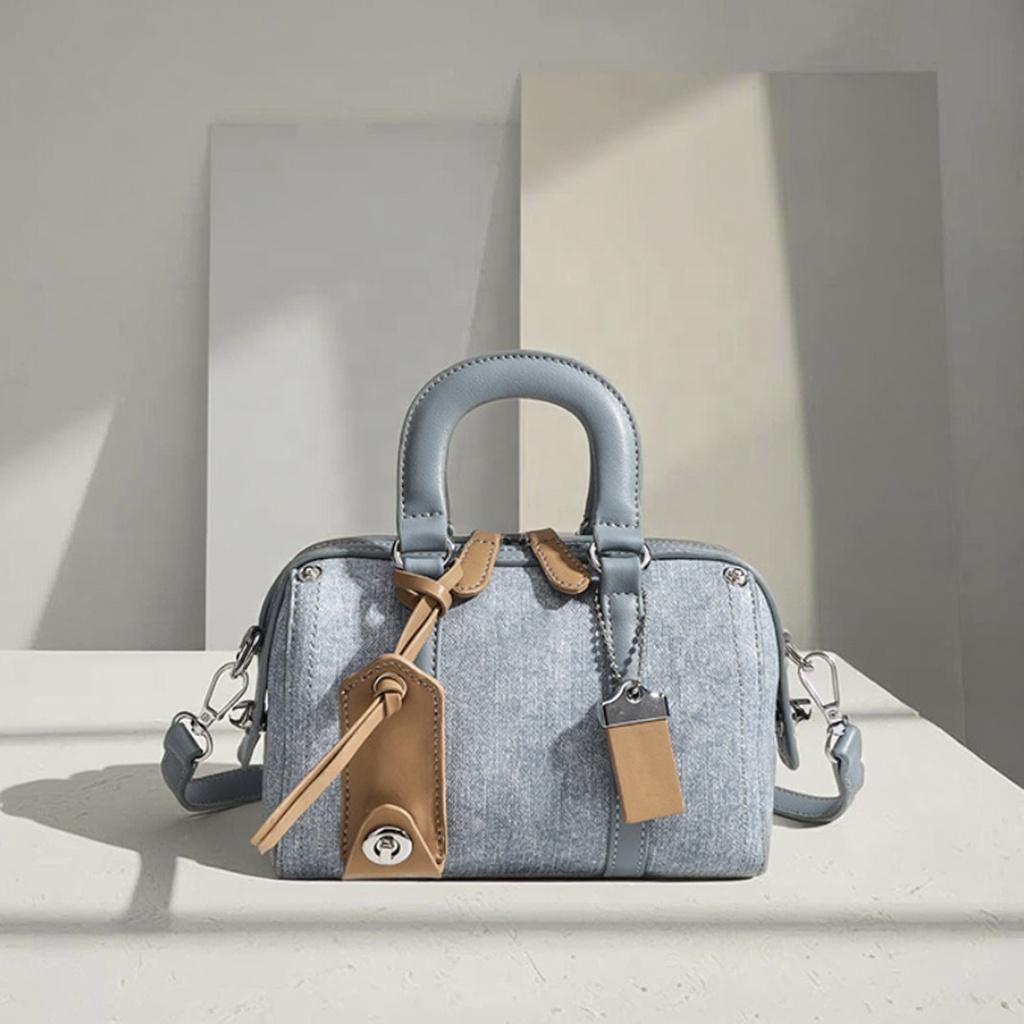
For your first or primary designer bag, consider a neutral color (black, beige, navy, gray) and a medium size. It should complement most of your wardrobe.
The Power of In-Person Inspection
If possible, visit a boutique. Feel the leather, test the weight, try the strap drop, and open/close the fastenings. Comfort and practicality are as important as looks.
A Note from Our Factory
As a leading handbag manufacturer based in China, we have over 15 years of experience partnering with global brands. We understand the precise craftsmanship, premium material selection, and stringent quality control that go into creating exceptional bags.
For businesses looking to develop their own high-quality line—whether inspired by designer sensibilities or focused on accessible luxury—we offer the expertise, from material sourcing to meticulous production. We bridge the gap between exquisite design and market-ready reality.
Ready to create something remarkable? [Contact us] to discuss how we can bring your vision to life.
what-is-a-quilted-bag
How to Choose a Reliable Makeup Bags Manufacturer
Related Article