types-of-tool-bags
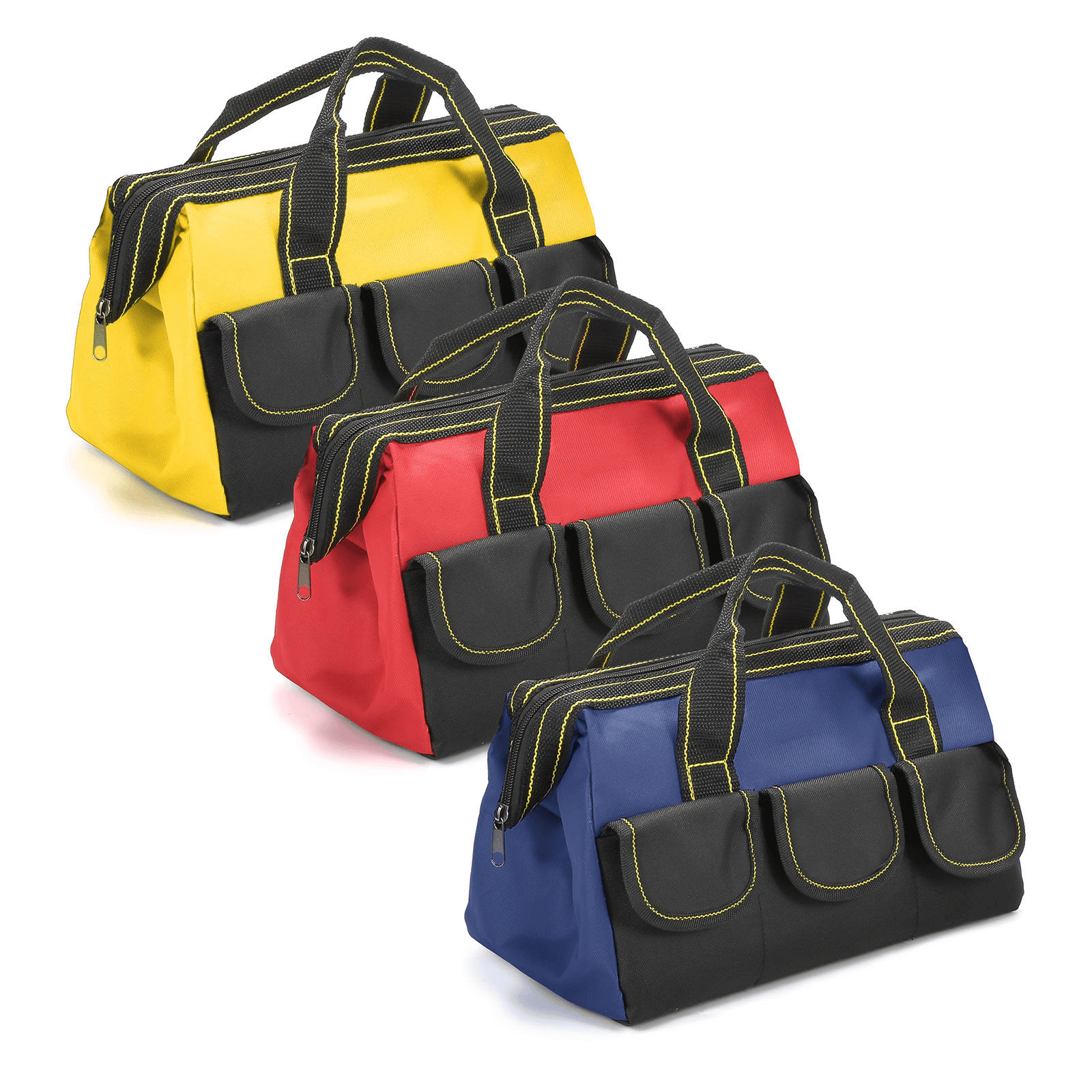
A Complete Guide to Tool Bag Types: Choosing the Right One for Your Work
For professionals and DIYers alike, the right tool bag isn’t just about carrying equipment—it’s about efficiency, organization, and durability. Choosing the correct type can save time, reduce frustration, and keep your tools protected. This guide breaks down the main categories of tool bags to help you find your perfect match.
1. Tool Bags for Different User Needs
Tool users generally fall into three broad categories, each with distinct priorities.
1.1 The Professional Contractor & Tradesperson
This user demands durability, high capacity, and quick access. Their livelihood depends on their tools, so the bag must withstand daily job site rigors.
Key Needs:
-
Maximum Durability: Heavy-duty materials like 1000D nylon or rugged polyester with reinforced stitching.
-
Job-Site Ready: Features like reinforced bottoms, waterproof pockets, and easy-clean interiors.
-
Professional Organization: Multiple dedicated pockets for fasteners, small parts, and frequently used hand tools.
Recommended Types: Large Open Totes, Heavy-Duty Tool Backpacks, Rolling Tool Bags.
1.2 The General Maintenance Technician & Handyman
Versatility and balanced functionality are key. This user tackles varied tasks, from quick repairs to small projects, often moving between different locations.

Key Needs:
-
Optimal Versatility: A balance of open space and organized pockets to handle different tool sets.
-
Portability & Comfort: Easy to carry, whether to a rooftop unit, a client's home, or a different floor.
-
Smart Organization: Enough compartments to stay organized without being overly specialized.
Recommended Types: Technician Bags, Medium Totes with Partitions, Multi-Pocket Tool Pouches.
1.3 The DIY Enthusiast & Homeowner
Focus is on value, essential organization, and ease of use for weekend projects, home repairs, and hobbies.

Key Needs:
-
Cost-Effectiveness: Good quality at a reasonable price point for non-daily use.
-
Straightforward Storage: Clear, logical organization to find tools quickly without complex systems.
-
Compact & Storable: Easy to store in a garage, closet, or car trunk when not in use.
Recommended Types: Classic Tool Totes, Compact Tool Bags, Basic Tool Pouches.
2. Breakdown of Primary Tool Bag Types
2.1 The Classic Open Tote
The quintessential tool bag, characterized by a large, open main compartment, often with peripheral pockets.
Best For:
-
Contractors who need to see and grab all tools at once.
-
Carrying large or odd-shaped tools (e.g., drills, hammers, levels).
-
Workshop or vehicle-based work where the bag sits stationary.
Pros & Cons:
-
Pros: Maximum tool visibility and easy access. Simple to load/unload. High capacity.
-
Cons: Tools can jumble together without internal partitions. Heavier loads can be uncomfortable to carry by the central handle.
2.2 The Technician Bag / Tool Tote with Partitions
A more evolved tote, featuring a semi-structured design with multiple internal pockets, dividers, and often a removable parts organizer.

Best For:
-
Electricians, HVAC techs, and maintenance professionals.
-
Tasks requiring many small parts (screws, connectors, wire nuts) and specialized hand tools.
-
Users who prioritize organization over sheer, open volume.
Pros & Cons:
-
Pros: Superior organization keeps tools separated and protected. Parts organizers prevent spillage. Often includes padded handles and shoulder straps.
-
Cons: Slightly more expensive. Fixed dividers may not accommodate oversized items.
2.3 The Tool Backpack
A modern solution that distributes weight evenly across the shoulders, leaving both hands free.

Best For:
-
Technicians who climb ladders, walk long distances, or use public transport.
-
Urban environments or crowded job sites where maneuverability is key.
-
Carrying a comprehensive, organized kit in a balanced way.
Pros & Cons:
-
Pros: Ergonomic weight distribution. Hands-free mobility. Typically offers numerous specialized compartments.
-
Cons: Accessing tools requires taking the bag off. Can be more expensive than traditional bags.
2.4 The Rolling Tool Bag / Mobile Tool Chest
A wheeled solution for the heaviest, most comprehensive tool collections.
Best For:
-
Mechanics and technicians with extensive, bulky tool sets.
-
Jobs that require moving a full workshop to a stationary work point (e.g., airport hangars, large equipment rooms).
-
Anyone who needs to move extreme weight without carrying it.
-
Pros & Cons:
-
Pros: Moves incredible weight with minimal effort. Often includes a telescoping handle. Massive, structured storage.
-
Cons: Bulky, not suitable for stairs or tight spaces. Higher price point. Can be overkill for light loads.
2.5 The Tool Pouch & Tool Belt
The tactical choice for having essential tools directly on your person while working.
Best For:
-
Final-stage assembly, finishing work, or any task requiring constant tool switching.
-
Being used in conjunction with a larger main bag (tote or backpack) for bulk storage.
-
Tasks where climbing and moving in tight spaces is constant.
-


Pros & Cons:
-
Pros: Ultimate accessibility and mobility. Keeps core tools on your hips.
-
Cons: Very limited capacity. Weight is borne by the hips/lower back. Not for primary storage.
3. Key Features to Compare
When choosing between types, weigh these features:
-
Material & Build Quality: Look for high-denier fabric, bar-tacked stress points, and robust zippers.
-
Carrying Comfort: Padded handles, adjustable shoulder straps, and ergonomic backpack straps are critical for heavy loads.
-
Organization System: Assess the mix of open space, fixed pockets, elastic loops, and modular organizers. Does it match how youuse tools?
-
Specialized Pockets: Consider pockets for water bottles, laptops/tablets, tape measures, and levels if needed.
Conclusion: Match the Bag to Your Mission
There is no single "best" tool bag—only the best one for your specific workflow. Evaluate the primary jobs you do, the tools you carry daily, and how you move around your workspace. Investing in the right type of tool bag is an investment in your own productivity and professional presentation.

Ready to Equip Your Team or Source Premium Tool Bags? As a professional tool bag manufacturer, we help businesses source durable, well-designed bags that meet precise user needs. [Contact us] to discuss custom solutions or view our OEM/ODM capabilities.
polyester-drawstring-bag-manufacturing
types-of-tool-bags
Related Article