Smart bag

2026 Global Luggage & Bag Trends: Smart, Sustainable and Personalized
Introduction: The Evolving Global Luggage Market
The global luggage and bag industry is undergoing a significant transformation driven by technological innovation, sustainability concerns, and evolving consumer preferences. As we look toward 2026, the market is shifting from purely functional items to integrated lifestyle solutions that combine smart technology, eco-friendly materials, and personalized designs. The industry continues to expand with the global luggage market projected to maintain growth momentum, building on the estimated market size from previous years .
The post-pandemic era has reshaped travel patterns and consumer expectations, with health-conscious features, versatile functionality, and digital integration becoming standard expectations rather than premium additions. This evolution presents both challenges and opportunities for manufacturers and retailers worldwide .

Key Trends Shaping the 2026 Market
2.1 Smart Technology Integration
Intelligent luggage is transitioning from novelty to necessity, with penetration rates expected to exceed 20% in the premium segment by 2026 . These advanced products incorporate features that address common traveler pain points:
-
GPS tracking systems that allow real-time location monitoring through smartphone apps
-
Integrated weighing systems that prevent airport overweight charges
-
Wireless charging capabilities that keep devices powered during travel
-
Biometric security features including fingerprint recognition for enhanced protection
Leading brands are developing luggage with even more advanced functionalities, including environmental sensors that adjust internal conditions based on weather variations, and seamless integration with airport baggage systems and hotel services .
2.2 Sustainability as Standard Practice
Environmental consciousness has moved from marketing buzzword to industry requirement, with eco-friendly materials becoming increasingly mainstream :
-
Recycled materials: Brands are incorporating post-consumer plastics and regenerated fibers into their products
-
Plant-based alternatives: Bio-leathers and other renewable materials are gaining market share
-
Circular economy initiatives: Brands are implementing take-back programs where older products are refurbished, repurposed, or recycled
The industry is seeing a 35% increase in the application of degradable materials compared to previous years, with carbon footprint certification becoming a standard for leading manufacturers .

2.3 Personalization and Customization
The demand for unique, individualized products continues to grow, with consumers increasingly viewing luggage as personal statements rather than utilitarian items . This trend manifests in several ways:
-
Visual customization: Options for colors, patterns, and personal monograms
-
Functional modularity: Interchangeable components and adaptive interior systems
-
Technical customization: 3D printing technologies enabling consumers to create truly one-of-a-kind designs
Approximately 45% of consumers now expect some level of personalization options when purchasing luggage, driving manufacturers to develop more flexible production systems .
Material and Design Innovations
3.1 Advanced Materials
The materials landscape is diversifying to meet demands for durability, lightness, and sustainability:
-
Lightweight composites: Carbon fiber and ultra-light synthetic fibers reduce weight while maintaining strength
-
Polycarbonate blends: PC materials remain popular for hard-shell luggage due to their excellent pressure resistance and wear resistance
-
Technical textiles: Advanced nylons and fabrics with waterproof, anti-scratch, and anti-bacterial properties
These material innovations allow for luggage that is approximately 20% lighter than traditional options while offering improved durability and functionality .

3.2 Functional Design Evolution
Design priorities have shifted toward addressing specific usage scenarios and user needs:
-
Ergonomic improvements: Telescopic handle systems based on aerospace-grade aluminum alloys offer enhanced durability and user comfort
-
Mobility enhancements: Multi-wheel systems providing smoother movement in various environments
-
Organization solutions: Intelligent interior layouts with dedicated compartments for specific items
The industry is seeing a move toward "practical minimalism" - designs that focus on excellent craftsmanship, quality materials, and clever functionality rather than conspicuous branding .
Manufacturing and Supply Chain Evolution
4.1 Smart Manufacturing Advancements
Progressive manufacturers are integrating advanced technologies to enhance production capabilities:
-
Automated cutting systems that optimize material usage and reduce waste
-
Intelligent sewing equipment that maintains consistent stitch quality
-
Digital quality control systems that ensure product consistency
These technologies allow manufacturers to reduce production cycles while maintaining quality standards, responding more effectively to market changes .

4.2 Flexible Production Models
The industry is moving toward more adaptable manufacturing approaches:
-
Small-batch production capabilities that allow for limited editions and regional variations
-
Made-to-order systems that respond to specific customer requirements
-
Modular design principles that enable configuration variations from standard components
This flexibility helps brands minimize inventory risk while meeting consumer demands for distinctive products .
Retail and Consumer Engagement
5.1 Omnichannel Retail Strategies
The distinction between physical and digital retail continues to blur, with successful brands implementing integrated approaches:
-
Experiential physical stores that allow customers to interact with products firsthand
-
Digital innovation including augmented reality try-on features and virtual showrooms
-
Social commerce integration through platforms that combine content, community, and purchasing
Research indicates that omnichannel approaches can increase customer engagement by up to 30% compared to single-channel strategies .
5.2 Content-Driven Marketing
Brands are increasingly using educational and inspirational content to connect with consumers:
-
Material transparency initiatives that explain sourcing and manufacturing processes
-
Usage scenario content that demonstrates products in various real-world situations
-
Behind-the-scenes access to design and production processes
This content-focused approach helps build brand identity and consumer trust in a increasingly competitive market .

Our Manufacturing Capabilities
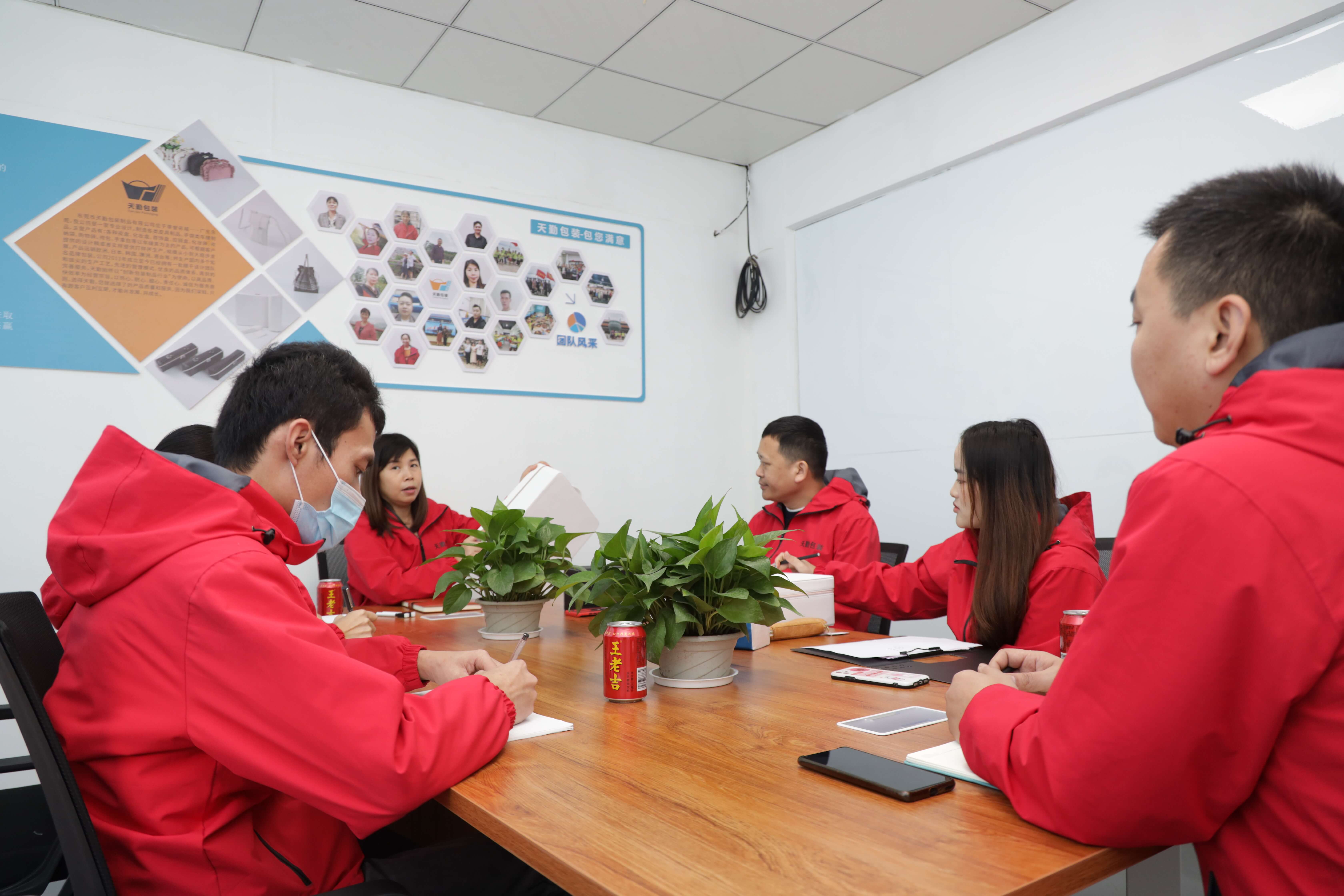
With over three decades of manufacturing experience, our facility represents the evolution of modern luggage production. We operate from a 5200-square-meter facility equipped with multiple production lines capable of monthly output ranging from 90,000 to 150,000 units depending on product complexity.
Our manufacturing infrastructure includes:
-
Advanced equipment including automated cutting systems and computerized stitching machines
-
Specialized technicians skilled in various production techniques
-
Comprehensive quality control departments monitoring production from raw materials to finished goods
We have established a robust supply chain network with a focus on sustainable practices and ethical sourcing, ensuring both product quality and responsible manufacturing. Our facilities maintain certifications for quality management and environmental standards.

Conclusion
The global luggage industry continues to offer significant growth potential for manufacturers and brands that understand these evolving dynamics. Success in 2026 will require balancing technological sophistication with practical functionality, environmental responsibility with economic viability, and mass-market appeal with personalized touches.
For businesses throughout the luggage supply chain, the coming year represents an opportunity to embrace these changes, invest in innovation, and build partnerships that create value for all stakeholders in the ecosystem.
what bags are on trend
how make drawstring bag
Related Article