pu leather vs PVC leather
PU Leather vs PVC Leather: How to Choose the Right Faux Leather for Your Project
When looking for alternatives to genuine leather, PU leather and PVC leather are the two most common options. They look similar and are affordable, but they have key differences in performance, texture, and environmental impact. This article will break down the details to help you make an informed decision.
What Are PU Leather and PVC Leather?
Before diving into the comparison, let’s understand their basic composition.
PU Leather: Polyurethane Leather
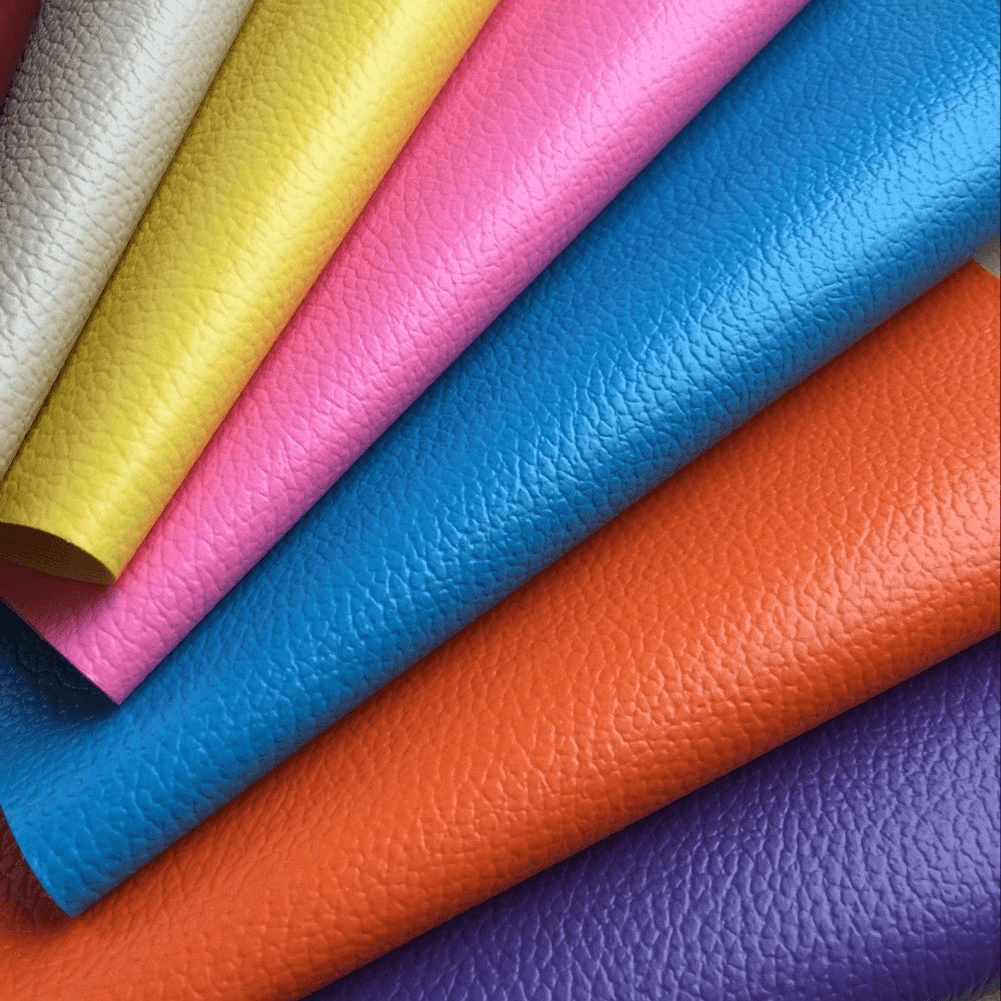
PU leather is typically made by coating a fabric base (such as polyester) with a polyurethane layer. This structure makes it closer to the microporous texture of genuine leather.
PVC Leather: Polyvinyl Chloride Leather
PVC leather is made by coating a fabric base with a layer of polyvinyl chloride (a type of plastic). It is usually heavier and has a more plastic-like feel.

Key Feature Comparison: Which Is Better, PU or PVC?
Understanding the following core differences will directly affect your user experience and product longevity.
Durability and Flexibility
• PU Leather: Generally softer and more flexible. It is less prone to cracking and develops natural wrinkles over time, resembling genuine leather more closely. However, the surface coating may wear due to environmental factors.
• PVC Leather: Extremely durable, waterproof, and easy to clean. The downside is that it hardens in low temperatures, may become sticky in high temperatures, and is prone to permanent creases or cracks over time.
Feel and Appearance
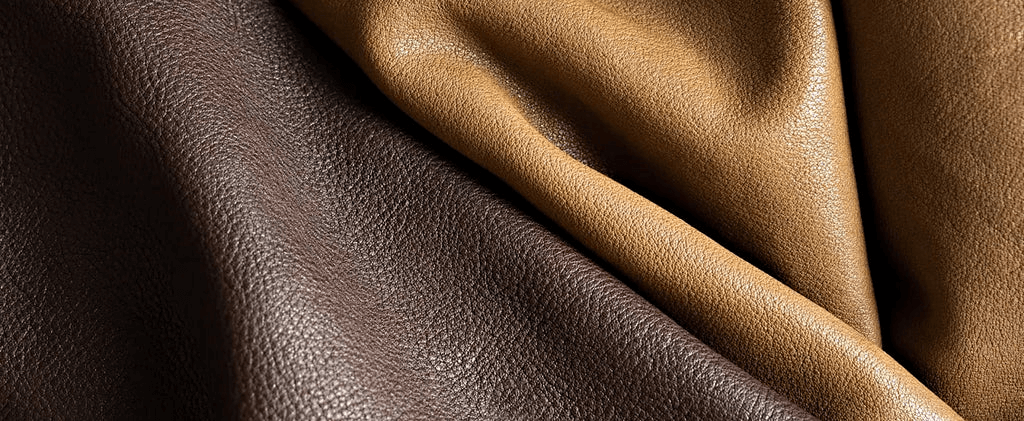
• PU Leather: Better hand feel, finer texture, and relatively better breathability. High-end PU products can mimic very realistic leather textures and sensations.
• PVC Leather: Feels stiffer and cooler, with a noticeable plastic-like texture. The surface pattern may appear less natural than PU leather.

Environmental Impact and Health
• PU Leather: Generally considered the more eco-friendly option. Modern PU leather often uses water-based processes, free from plasticizers like phthalates, and emits lower levels of volatile organic compounds (VOCs).
• PVC Leather: Its production and disposal may have a greater environmental impact. Traditional PVC may contain chemicals like phthalates, but note that many regions have strict regulations limiting their use. Always check for compliance with safety standards when purchasing.
Price and Maintenance
• PU Leather: Usually slightly more expensive than PVC. For cleaning, it’s recommended to use a slightly damp soft cloth and avoid harsh chemicals.
• PVC Leather: Typically the most economical choice. Maintenance is very simple—since it is completely waterproof, wiping with a damp cloth easily removes stains.

How to Choose: A Guide to PU and PVC Applications
Your specific needs will determine which material is more suitable.
Choose PU Leather if your project involves:
• Furniture (sofas, dining chairs): Requires excellent hand feel, flexibility, and a more natural appearance.
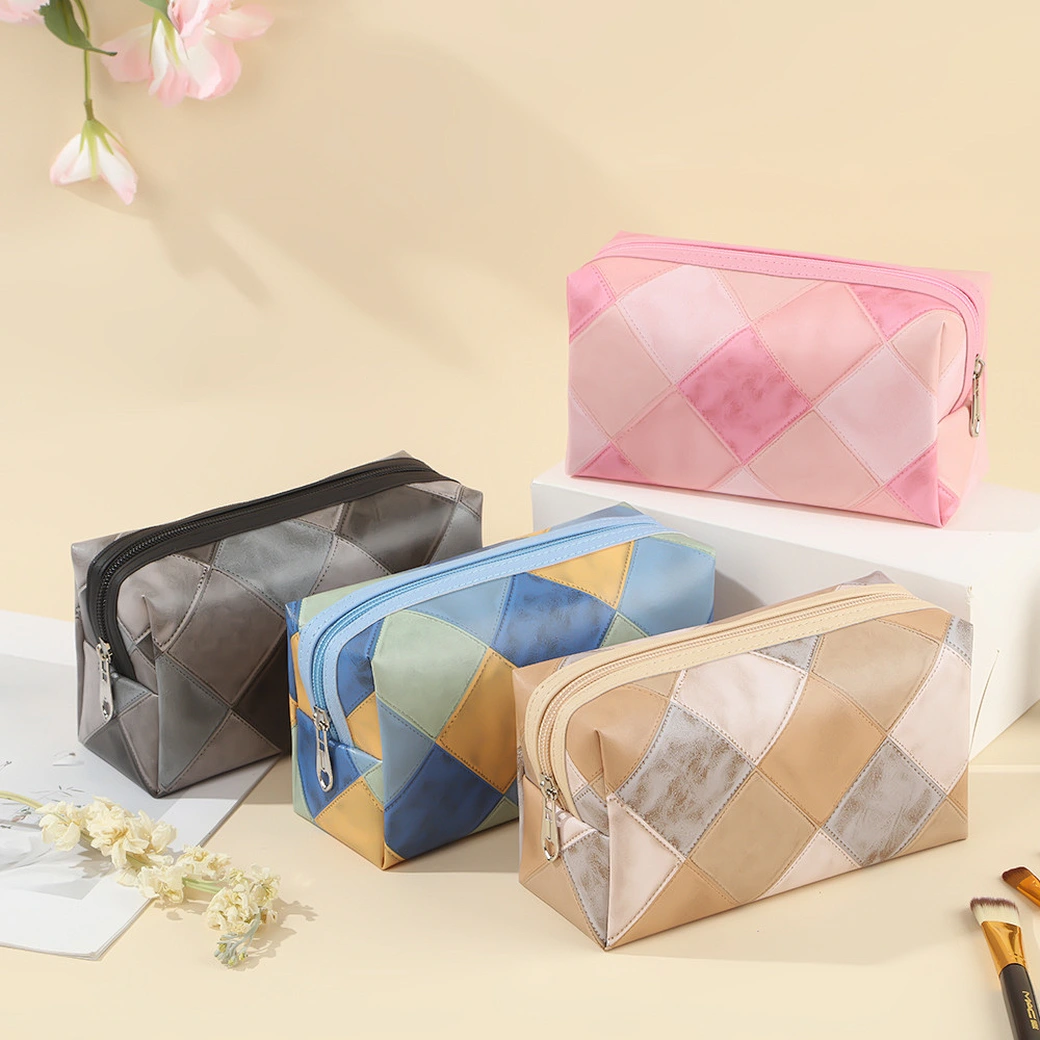
• Fashion items (jackets, handbags, footwear): Prioritizes lightness, softness, and relatively better breathability.
• Automotive interiors: Requires good weather resistance, aesthetics, and comfortable touch.
• Prioritizing environmental and health concerns: Such as children’s products or environments sensitive to VOCs.
Choose PVC Leather if your project involves:
• Scenarios requiring extreme durability and easy cleaning: Such as laboratory furniture, hospital curtains, or outdoor equipment covers.
• Projects with strict budget constraints: When cost control is the primary factor.
• Purely decorative purposes: Indoor decorations or props where texture is not a major concern.

Quick Selection Checklist
• Prioritize feel and appearance: Choose PU Leather.
• Prioritize extreme durability and waterproofing: Choose PVC Leather.
• Emphasize environmental friendliness: Choose PU Leather.
• Strictly control budget: Choose PVC Leather.
Frequently Asked Questions
-
Which is more environmentally friendly, PU leather or PVC leather?
Generally, PU leather is considered more eco-friendly. Its production process and disposal pose less potential harm to the environment compared to traditional PVC leather. Opting for products with environmental certifications (such as OEKO-TEX) is a more reliable approach.
-
How to distinguish between PU leather and PVC leather?
• Texture: PU feels softer and warmer; PVC feels stiffer and cooler.
• Creases: When pressed, PU develops finer, more natural wrinkles, while PVC shows fewer, stiffer creases.
• Smell: PVC may have a slight plastic odor, while PU typically has little to no smell.
-
How to clean and maintain them?
• General rule: First, remove dust with a vacuum or soft brush. Wipe gently with a slightly damp cloth dipped in a small amount of neutral soapy water. Always avoid harsh solvents, bleach, or abrasive cleaners. Allow to air dry naturally after wiping.
• Special note: PVC can be wiped directly with a damp cloth, while PU should be dried promptly to avoid water stains.
Conclusion
PU leather and PVC leather each have their strengths—there is no absolute "winner." PU leather excels in hand feel, realistic appearance, and environmental friendliness, making it the preferred choice for high-quality and comfortable furniture and fashion items. PVC leather is unmatched in durability, waterproofing, and cost-effectiveness, making it ideal for scenarios that demand practicality and strict budget adherence.
What is a Cinch Bag
what is a money belt
Related Article