nylon vs polyester
2025-12-20

Nylon vs. Polyester: A Complete Guide to Choosing Handbag and Luggage Fabrics for Superior Products
Basic Characteristics Comparison of Nylon and Polyester
What is Nylon?
Basic Characteristics Comparison of Nylon and Polyester
What is Nylon?

Nylon, also known as polyamide, is the world's earliest synthetic fiber, chemically known as polyamide fiber. Nylon is renowned for its high strength and abrasion resistance, while also being lightweight, soft, and breathable. In bag making, nylon fabrics have a bright sheen, a smooth feel, and a certain degree of elasticity, allowing them to withstand significant tensile and stretching forces.
Nylon fibers have a lower density, making their products lighter, ideal for outdoor backpacks and travel bags where weight reduction is crucial. Nylon's abrasion resistance is 10 times that of cotton and 10 times that of dry viscose fiber, resulting in products with exceptional durability.
What is Polyester?

Polyester, scientifically known as polyester fiber, is the most produced and widely used chemical fiber in China. Polyester boasts excellent wrinkle resistance and shape retention, allowing bags to maintain their original shape even after prolonged use. It offers good breathability and moisture wicking, along with strong resistance to acids, alkalis, and UV rays.
Polyester fabric has a duller appearance and a slightly rougher texture compared to nylon. It exhibits good stability, high initial modulus, crispness, good abrasion resistance, and excellent dimensional stability. From January to November 2023, China's polyester production reached approximately 52.69 million tons, thanks to the cost advantages brought by mature production technology and large-scale production.
Key Differences Between the Two Fabrics in Bag Manufacturing

Durability and Lifespan
Nylon has the highest abrasion resistance among synthetic fibers, making bags made from nylon more durable, especially suitable for travel bags, backpacks, and other products that require frequent use or exposure to harsh environments. In contrast, while polyester's abrasion resistance is not as high as nylon's, it is still superior to most natural fibers, and its impact strength is four times higher than nylon's.
For applications requiring high strength, such as mountaineering backpacks and professional travel cases, nylon's advantages are even more pronounced. For everyday backpacks and tote bags, polyester's durability is sufficient.
Feel and Appearance
Nylon fabrics are generally smoother, softer, and have a better sheen, with a smooth feel; while polyester fabrics have a relatively dull appearance and a rougher texture. Nylon has some elasticity, while polyester has virtually no elasticity.
This characteristic makes nylon more popular in high-end bags, as it offers a superior tactile and visual experience. Polyester, on the other hand, primarily improves its feel through finishing processes.
Cost and Price Considerations
Price is one of the most significant differences between the two. According to current market quotes, nylon is approximately twice the price of polyester. This is mainly due to differences in raw material costs and manufacturing processes.
For budget-sensitive applications, polyester offers a more cost-effective option; while for product lines seeking high quality, the higher cost of nylon is often justified by the superior performance of the final product.
How to Choose the Right Fabric for Your Bags

Consider Product Positioning and Usage Scenarios
• High-end Product Lines: Nylon fabric is recommended; its excellent feel and durability enhance the perceived value of the product.
• Everyday Bags: Polyester is a good choice due to its good cost-performance ratio and sufficient durability.
• Outdoor and Travel Bags: Nylon's high strength and abrasion resistance are more suitable for harsh environments.
• Fashionable and Trendy Styles: Choose according to design needs; if you prioritize texture, choose nylon; if you prioritize pattern retention, consider polyester.
Special Functional Needs Considerations
If the product requires waterproofing, lightweight, or high elasticity, nylon performs better. Through special treatments, nylon's waterproof performance can be further optimized. For wrinkle resistance, quick-drying, or UV protection, polyester is more advantageous.
It is worth noting that nylon-polyester blends are now available on the market. These fabrics attempt to combine the advantages of both fibers to achieve a balance between performance and cost.
Professional Advice: Fabric Strategies to Enhance the Competitiveness of Luggage Products

Based on our years of production experience, we recommend the following for luggage products with different positioning:
1. High-end Market Positioning: Use Nylon 6 or Nylon 66 fabrics. Although the cost is higher (Nylon 66 is even more expensive), it can create a superior product and brand image.
2. Cost-Effective Positioning: Choose polyester fabrics and enhance product added value through design and process innovation.
3. Hybrid Strategy: Use different fabrics in different parts of the product, such as nylon for the main body and polyester for the lining, balancing cost and performance.
Our factory can provide professional fabric selection advice and production solutions based on the specific needs of our clients, ensuring that the final product achieves the best balance in quality, cost, and functionality.
Conclusion
Nylon and polyester, as the two main synthetic fibers, each have their unique advantages and applicable scenarios. Choosing the right fabric can not only improve product quality but also optimize cost structure and enhance market competitiveness. Our luggage factory is willing to work with our clients to select the most suitable fabrics based on product positioning and target market needs to create successful luggage products.
For further information on fabric selection or product development advice, please feel free to contact us. Our professional team will provide you with one-on-one consultation services.
Tip: Simple differentiation method – When burning fabrics, polyester produces thick black smoke, while nylon produces white smoke. Also, after burning, the residue from polyester will crumble when squeezed, while nylon will retain its shape.
what is a clutch bag
what is polyester
Related Article

Choosing a custom bag manufacturer is one of the most critical decisions for your brand. Whether you're launching a new handbag line, sourcing promotional totes, or producing luxury backpacks, the right partner can make or break your product quality, delivery timeline, and profit margins.
Choose the Right Custom Bag Manufacturer
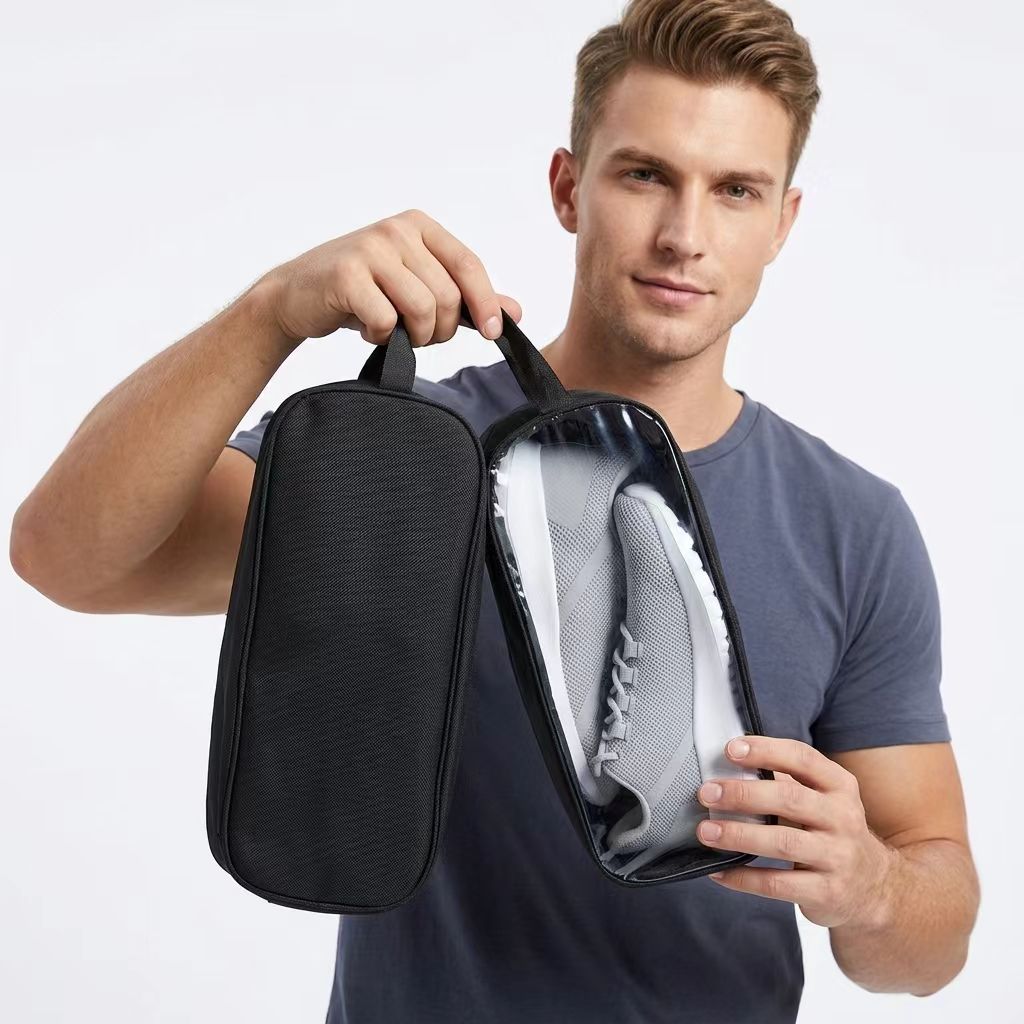
A dedicated shoe bag is a small but transformative travel accessory. It keeps your clean clothes separate from dirty soles, protects delicate footwear, and brings order to your luggage.
best-shoe-bags-for-travel