how-to-design-travel-bags

How to Design Travel Bags: A Guide to Smart, User-Centric Design
Designing a great travel bag is about more than just aesthetics—it’s about solving problems for the traveler. This guide breaks down the user-centered design process behind creating bags that are not only durable but genuinely enhance the travel experience.

What Makes a Great Travel Bag? A Design Philosophy
A well-designed travel bag is a reliable, efficient partner. Its success is measured by how seamlessly it supports the traveler’s journey, from packing to navigating a crowded airport. Good design focuses on three core tenets: functionality, durability, and comfort.
Understanding the Traveler’s Journey
Every design decision should be traced back to a real travel moment: packing at home, moving through a terminal, finding a document quickly, or surviving a rainstorm. The goal is to minimize friction at every step.
The First Step: Defining User Personas and Use Cases
Not all travel is the same. Effective design starts by pinpointing whothe bag is for and howit will be used.
1. The Business Traveler
-
Core Need: Efficiency, professionalism, and organization for 2-5 day trips.
-
Key Design Focus:
-
Streamlined Organization: A dedicated, padded, and quick-access laptop/tablet compartment, a tablet sleeve, and pockets for chargers, pens, and documents.
-
Carry-On Compliance: Designed to fit within standard airline dimensions for overhead bins or underseat storage.
-
Professional Aesthetic: A sleek, versatile look that transitions from the airport to a client meeting.
-

-
2. The Minimalist/Weekender
-
Core Need: Compact efficiency and style for 1-3 day trips.
-
Key Design Focus:
-
Flexible Capacity: Often features compression straps or expandable sections to save space.
-
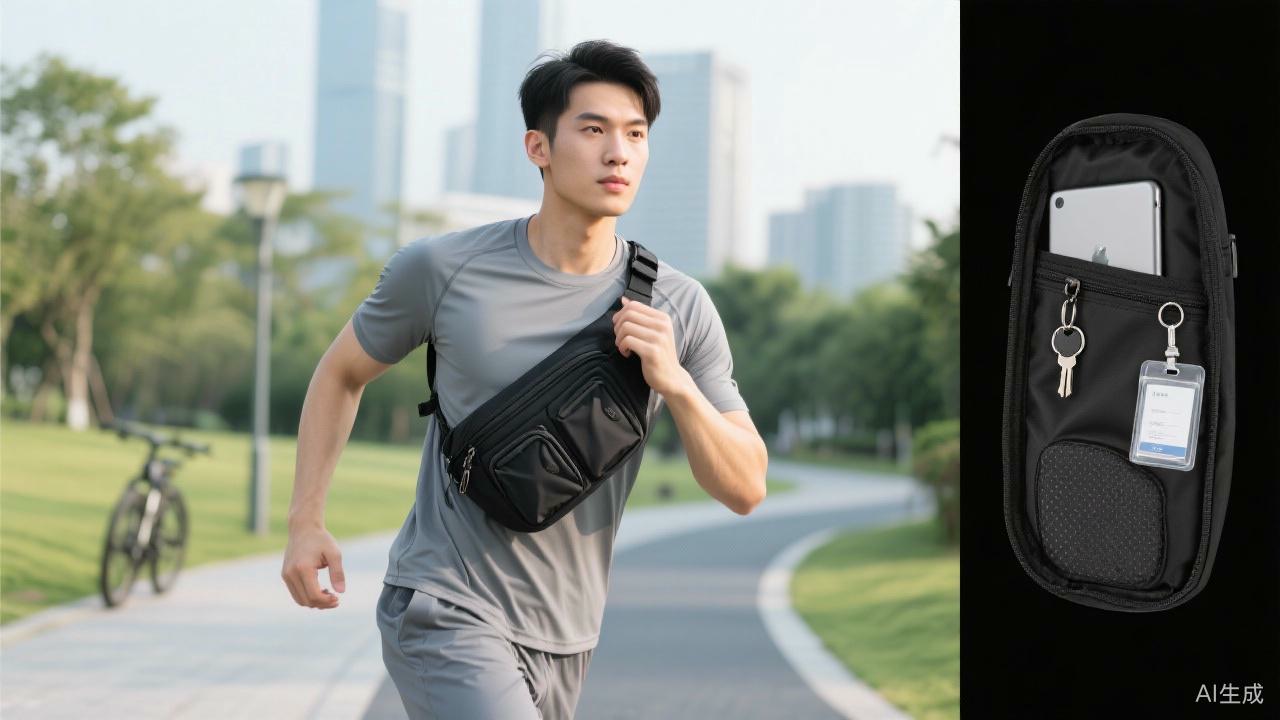
Dual-Purpose Carry: Easily carried as a shoulder bag, crossbody, or small backpack.
-
Easy Access: A main compartment that opens quickly for packing/unpacking, with a few key internal pockets.
-
3. The Adventure/Backpacker
-
Core Need: Durability, comfort, and specialized features for rugged, multi-destination travel.
-
Key Design Focus:
-
Load-Bearing Comfort: A robust, adjustable harness system (straps, hip belt, load-lifters) designed to carry heavy gear for extended periods.
-
Security & Accessibility: Lockable zippers, hidden pockets, and a front or panel-loading design for easy access without unpacking everything.
-
Rugged Materials: Water-resistant, high-denier nylon, reinforced stitching, and durable YKK zippers.
-

-
4. The Family Vacationer
-
Core Need: Maximum organization, accessibility, and hands-free convenience.
-
Key Design Focus:
-
Compartmentalization: Multiple, clearly designated pockets for different family members’ items, snacks, toys, and travel documents.
-
Hands-Free Design: Backpack or crossbody styles that leave hands free for holding children’s hands or pulling suitcases.
-
Durability & Easy Care: Materials that withstand spills, are easy to wipe down, and can be stowed in various vehicles and locations.
-
Core Design Pillars: The Anatomy of a Travel Bag
Translate user needs into tangible features through these interconnected design pillars.
1. Intelligent Organization & Access
This is the single most critical factor for user experience.
-
Layered Access: Design different entry points for different needs.
-
Panel/Clamshell Opening: Allows the bag to open completely like a suitcase for easy packing/unpacking.
-
Quick-Access Compartments: Dedicated, externally accessible pockets for passports, tickets, phone, and water bottle.
-
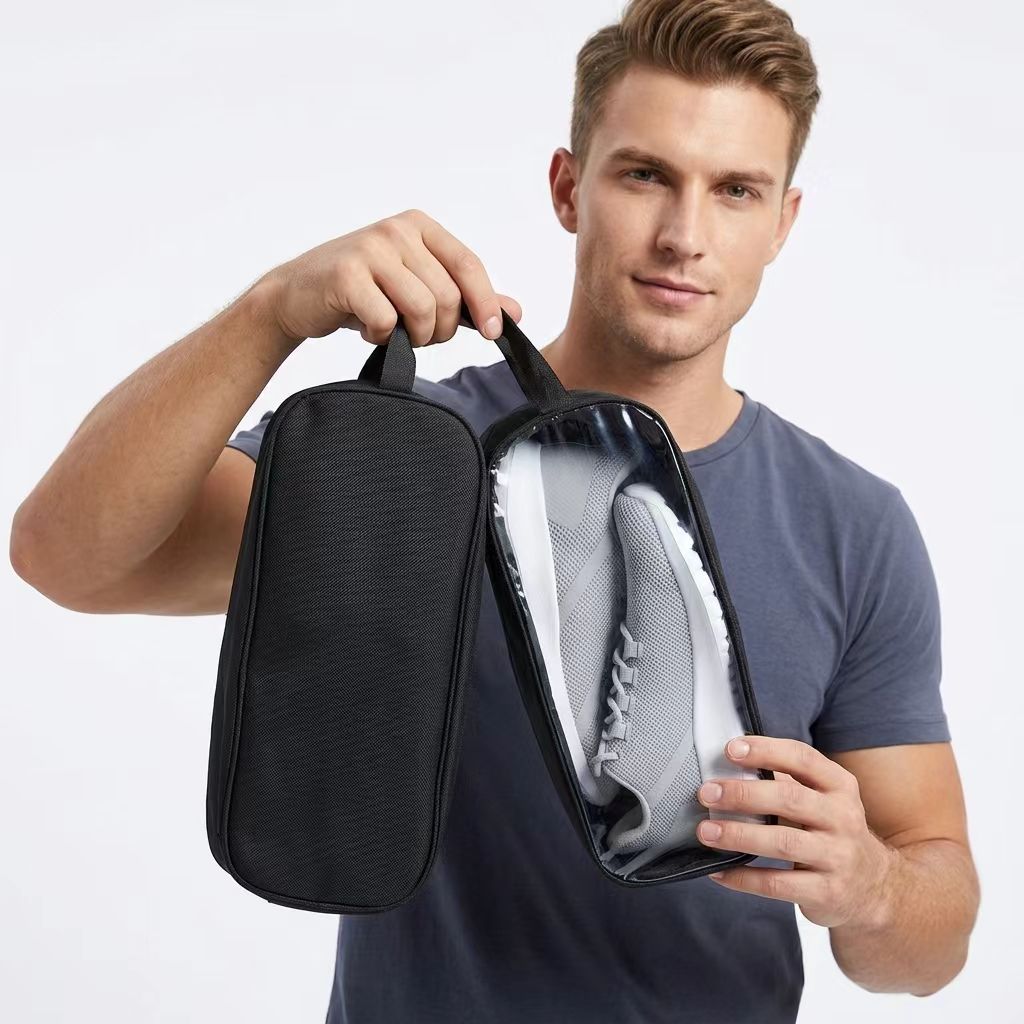
Separate Shoe/Dirty Laundry Compartments: Keeps clean and dirty items apart with a dedicated, lined pocket.
-
-
Internal Organization System: Use a combination of zippered mesh pockets, elastic loops, and removable cubes to create a customizable interior.
-

2. Material Science & Durability Engineering
Materials must survive airports, taxis, and weather.
-
Fabric Selection:
-
High-Denier Nylon/Polyester: Durable, abrasion-resistant, and often water-repellent. 600D+ is common for travel.
-
Waterproof Materials: TPU-laminated fabrics or rain flaps for adventure-focused bags.
-
-
Hardware: Heavy-duty, self-repairing YKK zippers. Robust, anodized aluminum or reinforced plastic buckles and adjusters.
-
Reinforcement: Critical stress points (where straps attach, bottom corners) are reinforced with bar-tacking, extra stitching, or high-frequency welding.
3. Ergonomics and Carry System Design
A comfortable bag is a bag that gets used.
-
Backpack Straps: Must be padded, contoured, and breathable. Adjustable sternum straps and load-lifter straps distribute weight.
-
Luggage Sleeve: A rear sleeve that slides over a rolling suitcase handle is a non-negotiable feature for most modern travel bags.
-
Multiple Carry Modes: Consider designs that convert from a backpack to a shoulder bag or briefcase for versatility.
-

The Design & Prototyping Process: From Idea to Sample
Here’s how a concept becomes a physical product ready for manufacturing.
Step 1: Concept & Sketching
-
Define the user persona, capacity (in liters), and key features.
-
Create initial sketches and 2D technical drawings (tech packs) detailing dimensions, materials, and features.
Step 2: Material Sourcing & Selection
-
Source fabric, hardware, foam, mesh, and lining samples.
-
Test materials for weight, tear strength, water resistance, and colorfastness.
Step 3: Prototype Creation (The "Proto")
-
A factory makes the first physical sample based on the tech pack. This version checks for pattern accuracy, basic construction, and overall form.
Step 4: User Testing & Revision
-
The prototype is evaluated. Key questions: Do the proportions work? Are the zippers smooth? Are the pockets useful? Is it comfortable when loaded?
-
Revisions are made: “Move this pocket 2cm left,” “Use a stiffer foam in the back panel,” “Widen the straps.”
-

Step 5: Pre-Production Sample (The "Gold Sample")
-
The final, perfected version that sets the standard for mass production. Every detail is locked in.
Key Considerations for Brands and Designers
If you’re looking to create a travel bag, here’s what to define before approaching a manufacturer.
Your Design Specifications Checklist
-
Primary User & Trip Length: Business traveler, 4-day trip.
-
Target Capacity: 35L.
-
Must-Have Features: Dedicated 16” laptop compartment, luggage strap, hidden RFID pocket, water bottle pocket.
-
Target Material: 900D recycled polyester, water-resistant.
-
Target Weight: Under 1.3kg.
-
Budget Range: Mid-tier.
-

Questions to Ask Your Manufacturer
-
“Can you provide material swatches and weight options that fit our target durability and price point?”
-
“What is your standard stitch-per-inch (SPI) and reinforcement method for stress points?”
-
“Can you help optimize the design for efficient production and cost without sacrificing quality?”
-
“What is your sample timeline and MOQ (Minimum Order Quantity)?”
-

A successful travel bag is a thoughtfully engineered companion, born from a deep understanding of traveler needs, precise material selection, and iterative refinement. Its design solves real problems, turning travel logistics into a smoother, more organized experience.
Ready to design a travel bag that travelers will love? The journey from concept to a reliable, market-ready product is our expertise. As a professional bag manufacturer, we partner with brands to navigate material selection, prototyping, and production, ensuring the final design is both beautiful and brilliantly functional. Contact us to begin developing your sample.
Cotton Tote Bags
How to Design Heavy-Duty Canvas Bags
Related Article