How to Choose a Reliable Makeup Bags Manufacturer
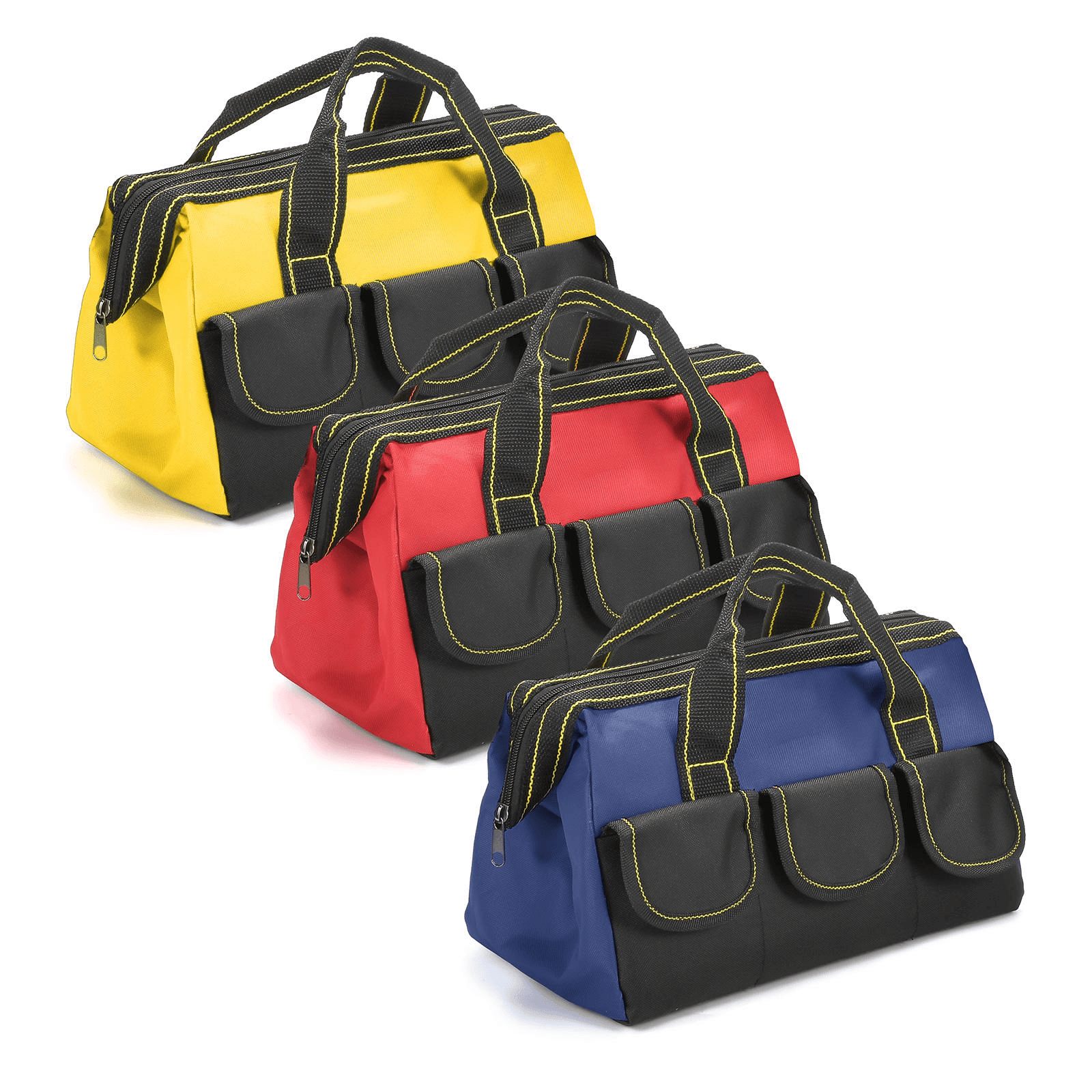
How to Choose a Reliable Makeup Bags Manufacturer: A Comprehensive Buyer's Guide
Selecting the right makeup bag manufacturer is a critical business decision that impacts your product quality, brand reputation, and supply chain stability. This guide provides a step-by-step framework to help you identify and partner with a professional factory that can reliably bring your vision to market.
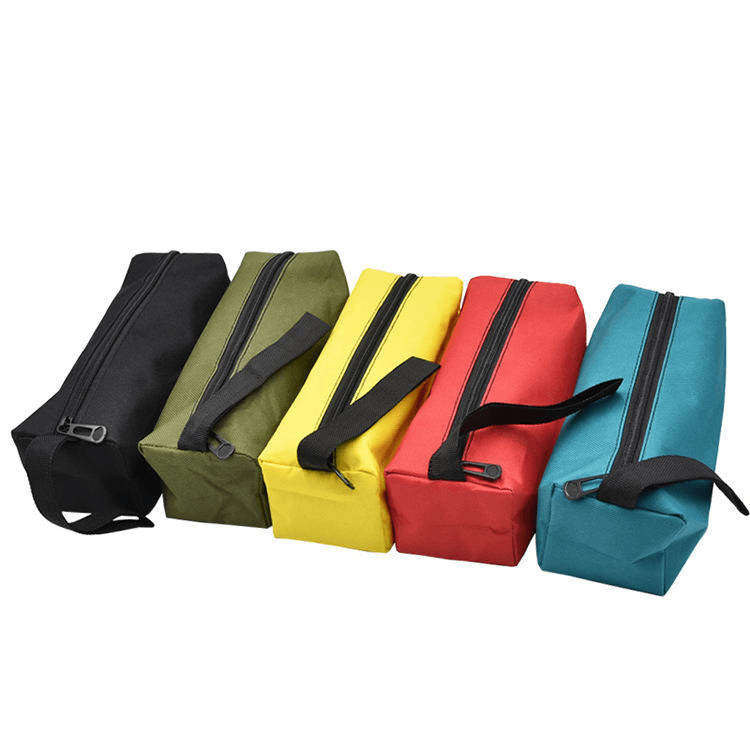
Why Partnering with the Right Factory Matters
A makeup bag is a complex product that balances function, fashion, and hygiene. The right manufacturer is more than a supplier; they are a technical partner who ensures your designs are functional, your quality is consistent, and your production timeline is met. A poor choice can lead to product failures, delayed launches, and damage to your brand's credibility.
The Core Pillars of a Reliable Manufacturer
Look for a partner that excels in four key areas: Technical Expertise, Quality Consistency, Communication Transparency, and Business Integrity.
Step 1: Initial Screening & Qualification
Begin by separating professional factories from trading companies or unqualified workshops.
Verify Business Credentials
-
Business License & Registration: Request and verify their official business license. Check their years in operation; longevity often indicates stability.
-
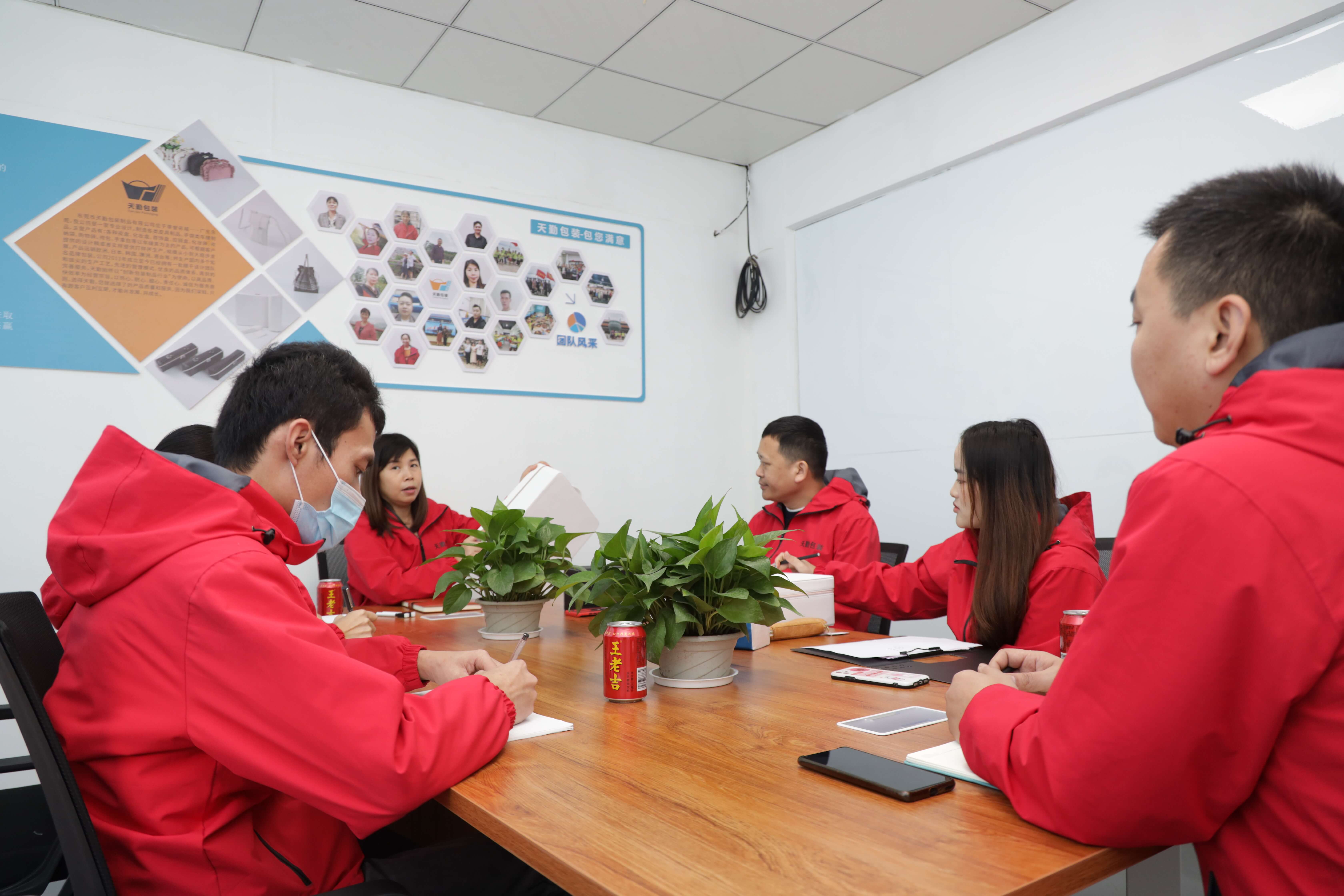
Company Type: Confirm they are a direct factory with in-house production. Ask for evidence like factory photos, videos, or virtual tours. Many "manufacturers" are actually middlemen.
-
Export Experience: Do they have a history of exporting to your target market (e.g., the US, EU, Australia)? Experience with international standards (like CPSIA, REACH) is a significant advantage.
-
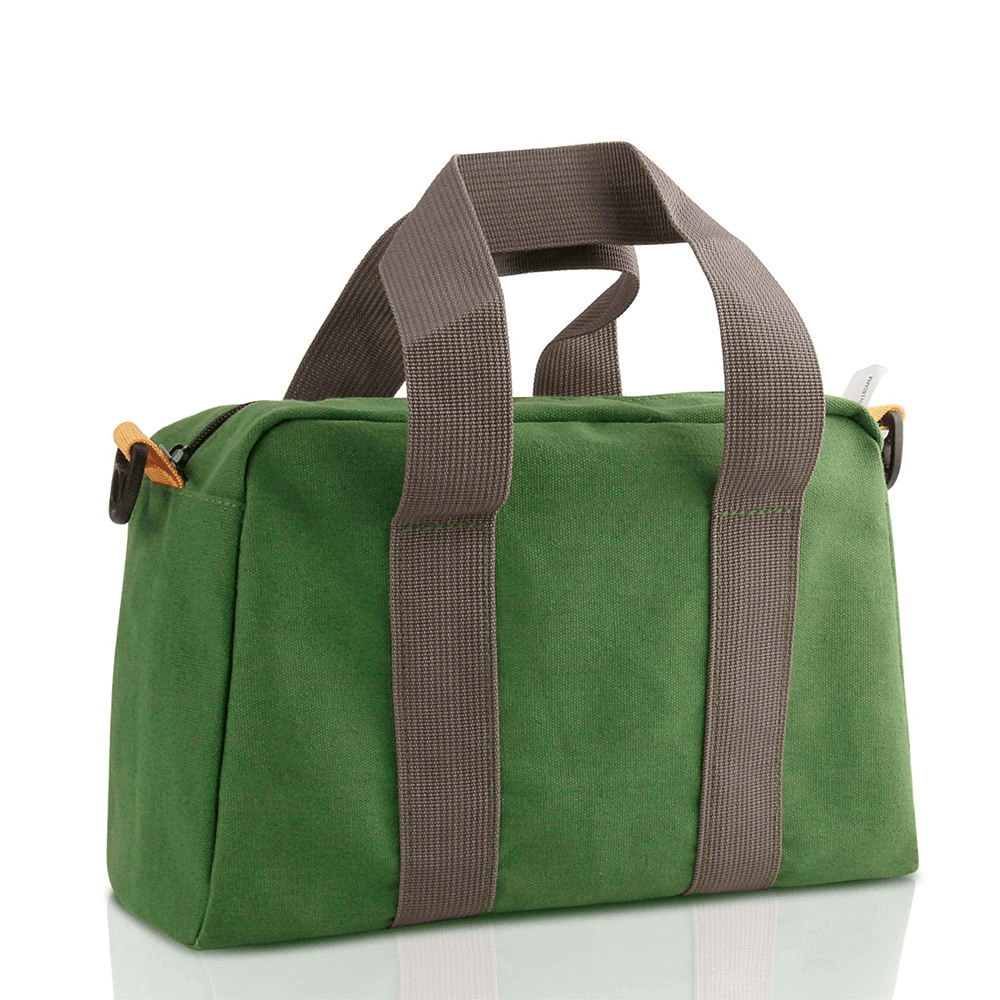
Assess Industry Specialization
-
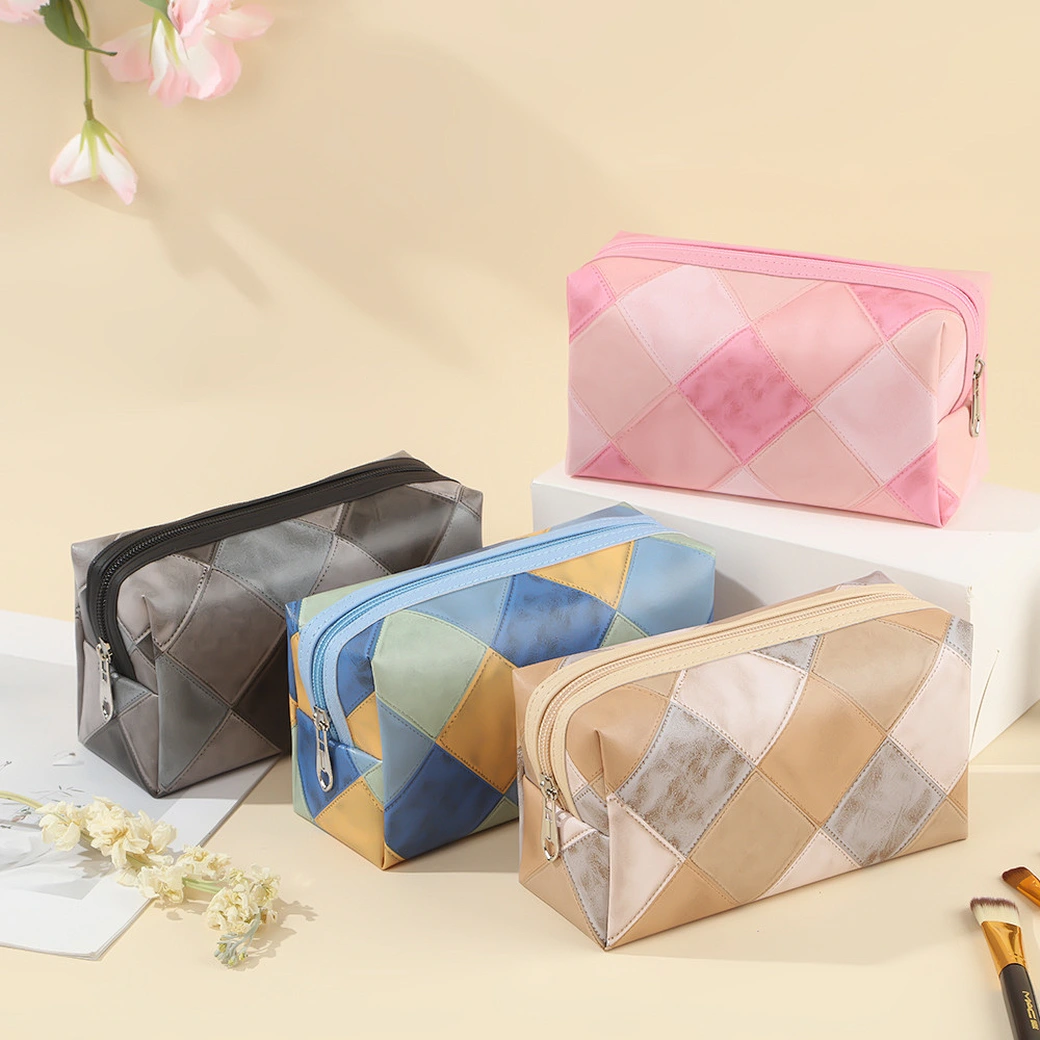
Portfolio Review: Examine their product catalog or website. Do they have proven experience producing makeup bags, cosmetic cases, and toiletry bags? Look for variety in complexity—simple pouches, waterproof bags, organizers with partitions, and train cases.
-
Material & Process Knowledge: A specialist will have deep knowledge of relevant materials: polyester, nylon, vegan leather, clear TPU/PVC, microfiber lining, and waterproof zippers. They should advise you on the best options for your design.
Step 2: Deep Dive into Production & Quality Capabilities
This step evaluates their ability to execute your specific order with quality and consistency.
Evaluate Production Capacity & Equipment
-
Factory Visit (or Virtual Tour): This is invaluable. Observe the workshop's organization, cleanliness, and the type of machinery. For makeup bags, look for:
-
Ultrasonic Welding Machines: For seamless, waterproof seams on clear PVC/TPU sections.
-
Specialized Presses & Cutters: For precise cutting of laminated fabrics and inserts.
-
Quality Sewing Stations: For durable stitching on zippers and handles.
-
-
In-House vs. Outsourced: Determine if they handle all processes (cutting, sewing, printing, assembly) in-house. More control in-house typically means better quality control and scheduling.
-

Scrutinize the Quality Control (QC) System
A professional QC system is non-negotiable. Ask detailed questions:
-
QC Process: "What are your QC checkpoints?" (Look for: Incoming material check, in-process inspection, and final random inspection).
-
AQL Standard: "What AQL (Acceptable Quality Level) do you follow for final inspection?" (Industry standard is typically AQL 2.5 for major defects).
-
Product-Specific Tests: Do they conduct relevant tests? For makeup bags, this includes:
-
Zipper Function Test: 5,000+ open/close cycles.
-
Waterproof/Leak Test: For bags claiming to be waterproof.
-
Colorfastness & Rub Test: To ensure prints and dyes don't stain.
-
Material Safety Testing: Ability to provide or guide you to reports for CPSIA, Prop 65, or EU REACH compliance.
-
-
Step 3: The Communication & Development Process Test
The sampling stage is the best indicator of a future working relationship.
Initiate a Sample Project
-
Clarity of Quotation: A professional factory provides a detailed, line-item quote covering unit cost, mold/sample fees, material specs, packaging, and payment terms. Vague quotes are a red flag.
-
Tech Pack Review: Submit your technical pack. A good partner will review it and ask intelligent questions or suggest improvements for manufacturability and cost savings.
-
Sample Timeline & Cost: Agree on clear timelines and costs for prototypes. Be wary of offers for "free samples" without a commitment, as quality is often poor.
Analyze the Sample & Communication Quality
When you receive the sample, evaluate it and the process:
-
Sample Quality: Is it accurate to your specs? Check stitching, alignment of prints/patterns, zipper smoothness, and overall craftsmanship.
-
Communication Efficiency: Were they responsive, professional, and able to explain technical details in clear English? Was the process collaborative?
-
Transparency on Issues: Did they proactively flag any potential problems with your design?
-
Step 4: Final Vetting for Business & Ethical Compliance
Before placing a bulk order, ensure a solid foundation for a long-term partnership.
Understand Commercial Terms
-
MOQ (Minimum Order Quantity): Is their MOQ realistic for your business? Understand if it's per style, per color, or total order.
-
Payment Terms: Standard terms are 30-50% deposit, balance before shipment. Be cautious of requests for 100% upfront.
-
Lead Time: Get a detailed production schedule from deposit to shipment. Is it realistic based on your observation of their capacity?
Verify Ethical & Compliance Standards
-
Social Compliance Audit: Can they provide an up-to-date audit report (e.g., SMETA, BSCI) if required by your brand? This verifies fair labor practices, safe working conditions, and environmental responsibility.
-
IP Protection: Ensure they are willing to sign a Non-Disclosure Agreement (NDA) to protect your designs.
-
How to Vet for Different Business Models
Your specific needs determine what to prioritize.
For Private Label Brands
-
Focus: A wide range of ready-to-brand designs, low to medium MOQs, and excellent print/embroidery quality for your logo.
-
Key Question: "Can I see your standard makeup bag catalog and decoration methods?"
For OEM/ODM Brands (Custom Design)
-
Focus: Strong in-house R&D and design team, prototyping capability, and material sourcing expertise.
-
Key Question: "Can you show me examples of custom bags you've developed from a client's sketch or idea?"
For Large Retailers & Distributors
-
Focus: Massive production scalability, rock-solid quality consistency, and experience with complex logistics (labeling, barcoding, and shipment).
-
Key Question: "What is your process for ensuring color and quality consistency across production runs of 50,000+ units?"
-
Choosing a reliable makeup bag manufacturer is a systematic process of due diligence. It requires looking beyond price to evaluate technical expertise, quality systems, and communication culture. The ideal partner proactively solves problems, ensures your product is safe and durable, and operates as a transparent extension of your own team. By following this framework, you significantly increase your chances of establishing a successful, long-term supply partnership.
Looking for a partner that meets these criteria? We are a professional makeup bag manufacturer with in-house design, production, and QC teams. We specialize in translating brand concepts into high-quality, functional products, from simple pouches to complex organizers. Contact us to request our catalog, discuss your project specifics, and start the sample process. Let us demonstrate how a reliable manufacturing partnership works.
what-are-designer-bags
How to Choose Fabric Density for Tote Bags
Related Article