History of Bags
History of Bags: From Utility to Icon
Bags are so integral to our daily lives that we rarely pause to consider their remarkable journey. For millennia, they have evolved from simple tools of necessity to complex symbols of status, fashion, and personal identity. This is the story of how the humble bag became a global icon.
Ancient Beginnings: The First Carriers
The history of the bag is, fundamentally, a history of human need. Before pockets were invented, people needed a practical way to carry their essentials.
The Earliest Functional Uses
The very first “bags” were likely simple pouches made from animal skins or woven plant fibers. Their purpose was purely utilitarian: to gather food, carry tools, or transport seeds. This era established the bag’s core function as a portable container.
Bags in Early Civilizations
Archaeological evidence proves bags were used across ancient cultures. Egyptian hieroglyphs depict figures with pouches tied to their girdles. The famous “Iceman” Ötzi, who lived around 3300 BCE, was found carrying a leather pouch attached to his belt. In ancient Rome, both men and women used small leather bags (sacculi) to carry coins.
The Middle Ages to 18th Century: Status and Specialization
During this period, bags began to reflect social standing and specific uses beyond mere utility.
The Rise of the Pouch and Purse
-
The Girdle Pouch: In medieval Europe, both men and women wore ornate pouches (often called “gipsers” or “aumônières”) suspended from their belts. These were often elaborately embroidered, signaling wealth and craftsmanship.
-
A Gender Shift: With the introduction of sewn-in pockets in men’s clothing in the 17th century, men’s bags became less common. Women’s dresses, however, did not accommodate pockets, making bags an exclusive and necessary accessory for them.
Specialized Bags Emerge
Travel gave rise to larger bags like satchels and saddlebags. The messenger bag has its origins in the courier bags used for transporting letters and documents.
19th & Early 20th Century: The Birth of Modern Handbags
The Industrial Revolution and societal changes created the perfect conditions for the handbag as we know it.
The Impact of Travel and Technology
-
Rail Travel: The expansion of railways created a need for sturdy, compact luggage. This led to the creation of smaller travel bags and the popularization of the “hand-held” bag.
-
New Materials: Innovations like the zipper (1913) and the development of new tanning processes for leather revolutionized bag construction, making them more secure, durable, and varied in design.
From Reticule to Handbag
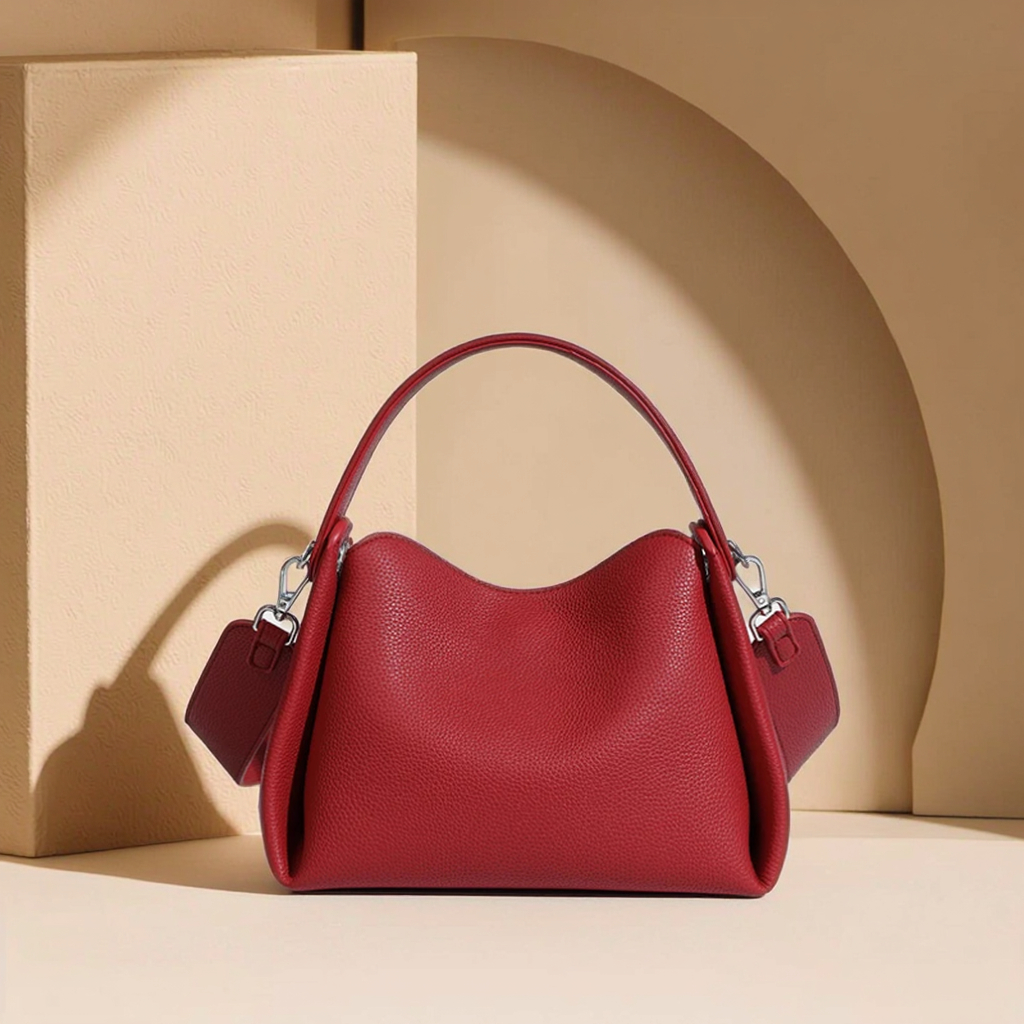
The late 18th century saw the “reticule,” a small decorative bag carried by women, separate from their clothing. This evolved into the “handbag” in the Victorian era. By the 1920s, with more active lifestyles, designs became more structured and functional, featuring compartments and frames.
The 20th Century & Beyond: Fashion, Brands, and Globalization
This era transformed the bag into a key fashion accessory and a global industrial product.
The Rise of Designer Power
French fashion houses like Hermès (starting with bags in the 1920s), Louis Vuitton (1854), and later Chanel (the 2.55 flap bag in 1955) elevated the handbag to a status symbol. Iconic designs became cultural landmarks, coveted for their craftsmanship, branding, and timeless style.
Materials Revolution
Mid-century innovations introduced new, affordable materials:
-
Plastics and Vinyl: Allowed for bright colors, easy cleaning, and mass production.
-
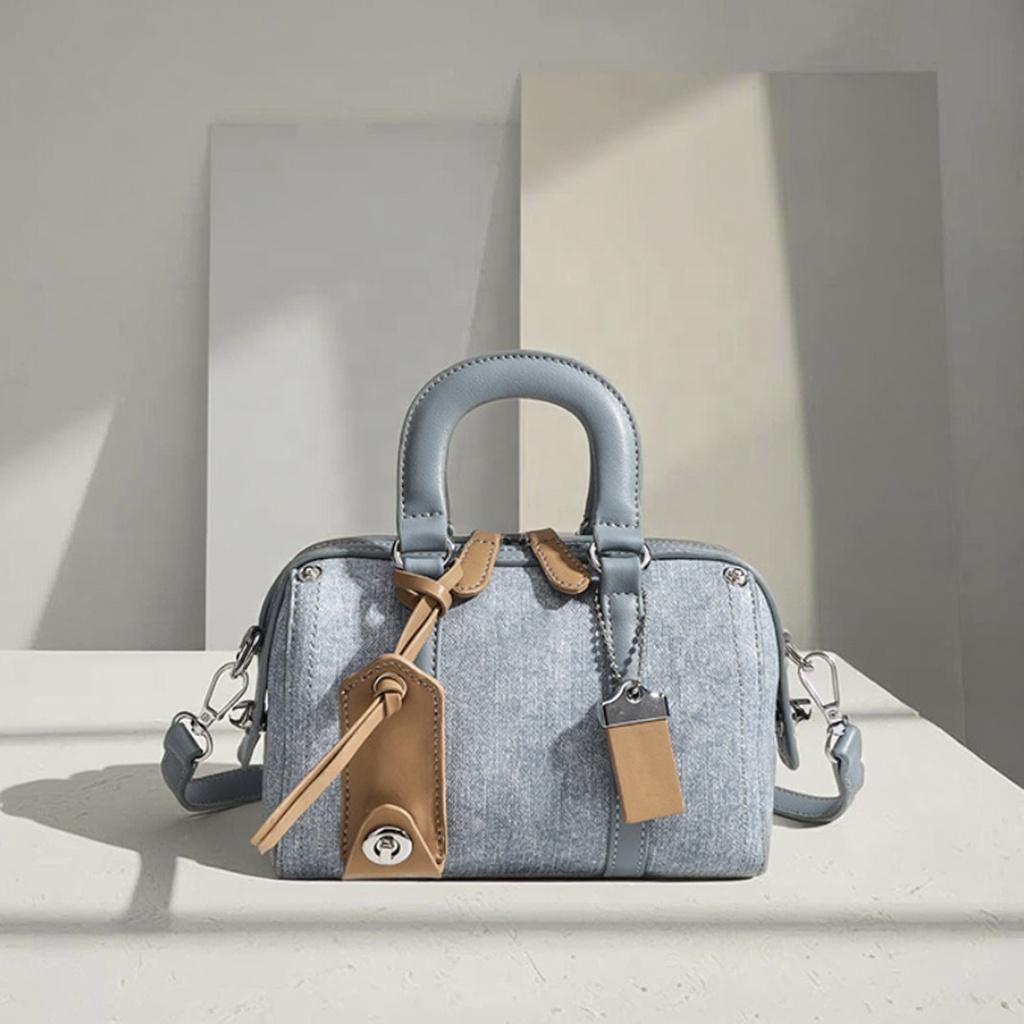
Nylon: Popularized by brands like Prada in the late 1970s, it made high-fashion, lightweight bags more accessible.
-
Synthetic Fibers: Materials like polyester and Cordura® provided durability for backpacks and travel gear.
Function Meets Subculture
-
The Backpack’s Ascent: From military use to student essential, and finally to a high-fashion item.
-
The Tote Bag: Simple, sturdy, and versatile, becoming a canvas for both logos and personal expression.
-
Subculture Statements: From punk rockers’ messenger bags to the minimalist tech-savvy backpacks, bags started defining identities.
The Modern Era and Future Trends
Today, bags sit at the intersection of design, technology, and conscious ethics.
The Contemporary Landscape
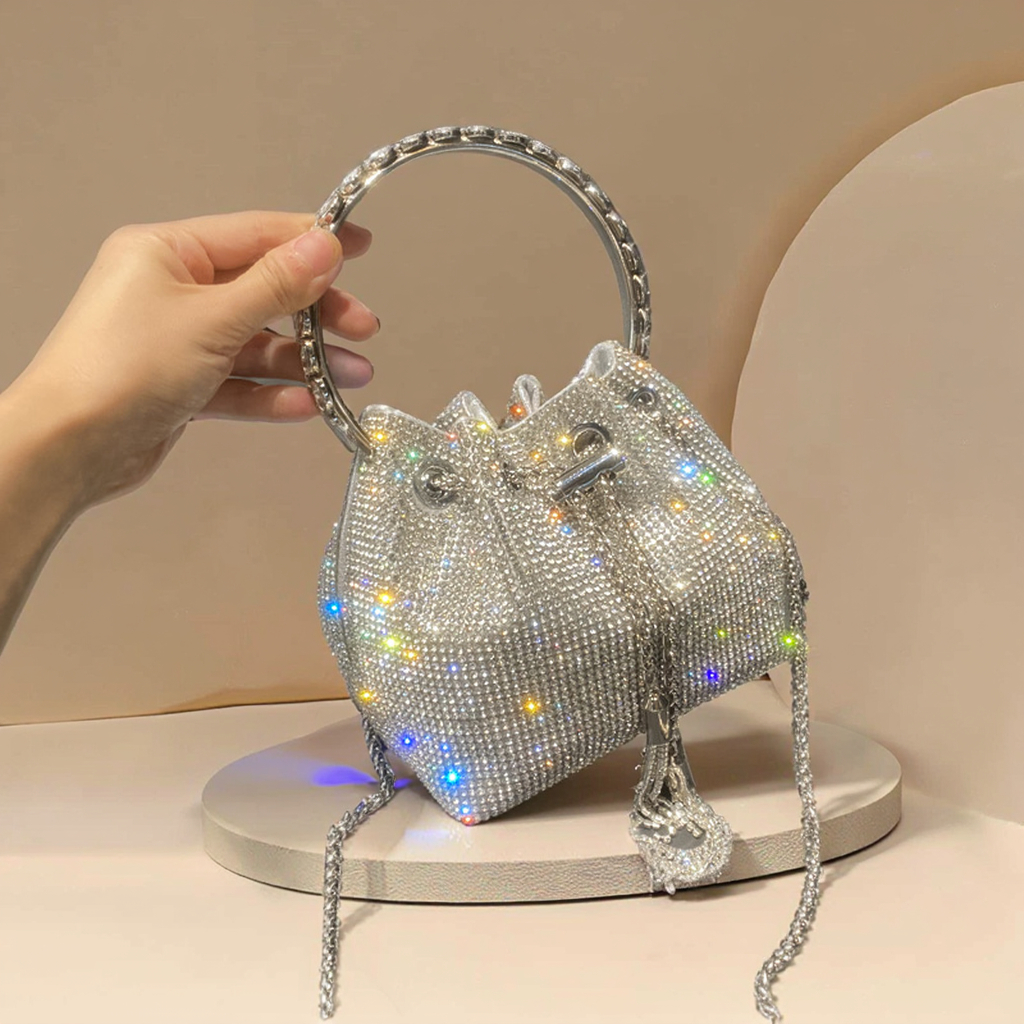
We live in an era of incredible choice: from ultra-luxury heritage pieces to fast-fashion trends, from ergonomic laptop backpacks to minimalist canvas totes. Online retail and global manufacturing, much like what we specialize in at our own factory, have made a vast array of designs accessible worldwide.
Looking Ahead: Sustainability and Smart Function
The future of bags is being shaped by clear demands:
-
Sustainable Manufacturing: A growing emphasis on recycled materials (like RPET), eco-friendly tanning, circular economy models (repair, resale), and durable, timeless design to counter “fast fashion.”
-
Technology Integration: Bags with built-in charging ports, RFID protection, and smart tracking devices are becoming standard.
-
Modularity and Customization: Consumers seek bags that adapt to their needs, with interchangeable components and options for personalization.
Conclusion: The Unending Journey
best pencil case in the world
Canvas Bag Mockup
Related Article