custom-bag-production-workflow-explained
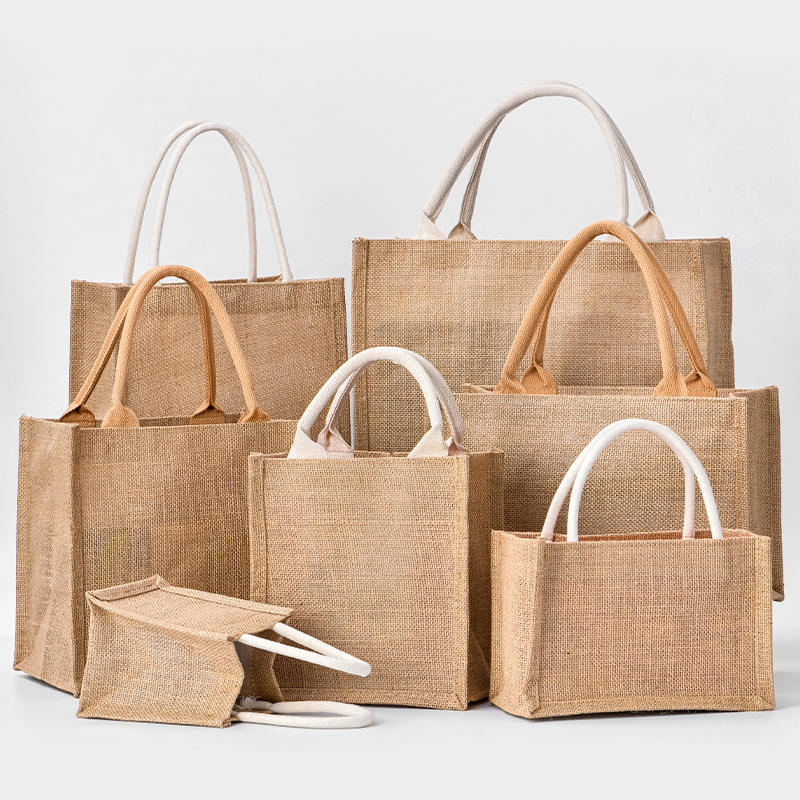
From Idea to Bag: Your Complete Guide to Custom Bag Production
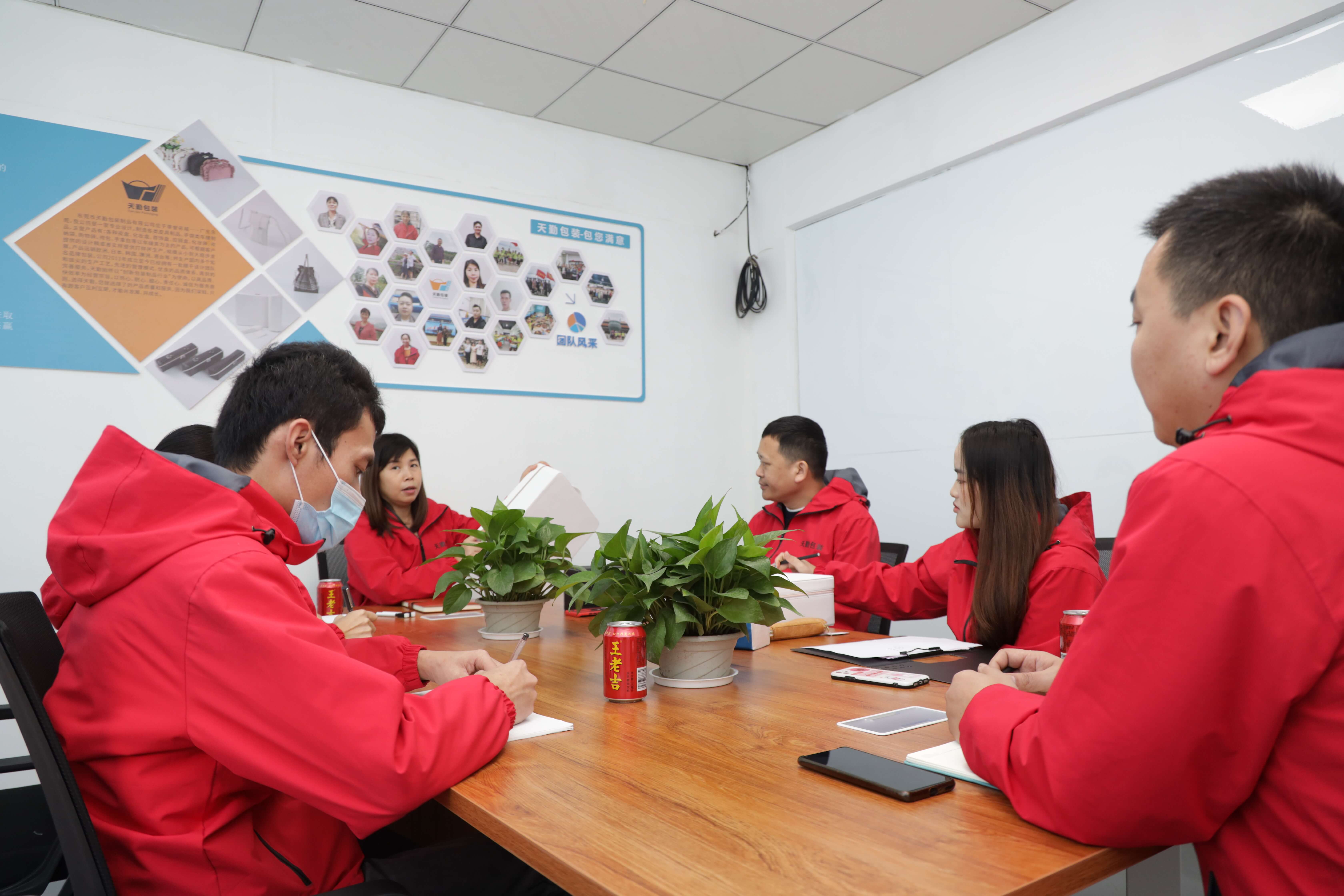
Custom bag production is more than just manufacturing; it’s a collaborative journey to bring a unique vision to life. Whether you’re a startup brand, an established retailer, or a corporate client, understanding the workflow ensures a smooth, efficient, and successful partnership. This guide breaks down the typical custom bag production process at a professional OEM/ODM factory.
Phase 1: Discovery & Design Foundation
This initial phase is all about aligning visions and translating ideas into actionable plans.
1.1 Initial Consultation & Needs Analysis
Every successful project starts with a deep conversation. We discuss your:
-
Project Goals: Are you launching a new product line, sourcing promotional items, or replenishing stock?
-
Target Audience: Who will use this bag? (e.g., eco-conscious students, luxury travelers, tech professionals)
-
Key Requirements: Desired bag type (backpack, tote, duffle), quantity, target price point (FOB), and deadline.
-
Brand & Aesthetic: Your brand identity, preferred styles, and inspiration references.
1.2 Design & Development
Here, concepts take tangible form.
-
Concept Sketching: Our designers create 2D sketches or digital renderings based on the brief.
-
Material Selection: We present samples of fabrics (e.g., polyester, nylon, canvas, jute), linings, zippers, buckles, and other hardware. This includes discussing sustainability options like RPET or organic cotton.
-
Prototyping (Optional but Recommended): For new or complex designs, a preliminary sample is created. This "proto sample" focuses on structure and dimensions, not final materials.
Phase 2: Engineering & Pre-Production
This critical phase ensures the design is manufacturable at scale and meets all specifications.
2.1 Technical Package & Pattern Making
-
Tech Pack Creation: A detailed document is finalized. This includes:
-
Graded Spec Drawings: Precise diagrams with measurements for all sizes.
-
Bill of Materials (BOM): A complete list of every component.
-
Construction Details: Stitch types, seam allowances, and assembly notes.
-
-
Pattern Making: Expert pattern makers translate the tech pack into precise paper or digital templates that guide fabric cutting.
2.2 Approval of Pre-Production (PP) Sample
-
A Pre-Production Sample is made using the exact final materials and processes intended for bulk production.
-
This sample is sent to you for thorough inspection and approval. Feedback on fit, function, color, and quality is consolidated at this stage. Your sign-off on the PP sample authorizes the start of mass production.
Phase 3: Mass Production & Quality Control
With approvals secured, the factory shifts to efficient, scaled manufacturing.
3.1 Sourcing & Fabrication
-
All approved raw materials are sourced and stocked. In-house cutting teams use the patterns to precisely cut fabric panels.
-
Production Line Assembly: Skilled workers assemble the bags through a series of steps: printing/embroidery, sewing, hardware attachment, lining installation, and finishing.
3.2 Integrated Quality Assurance
Quality control is continuous, not a single final step.
-
In-Line QC: Supervisors check random pieces from the production line for construction, stitching, and alignment.
-
Final Random Inspection (FRI): Before packing, a statistically significant portion of the order (e.g., following AQL standards) is rigorously inspected for:
-
Workmanship & Function: Seams, zippers, straps, and overall durability.
-
Aesthetics: Color consistency, material flaws, and cleanliness.
-
Dimensions & Specs: Compliance with the approved tech pack.
-
Phase 4: Logistics & Delivery
The final step ensures your products reach you safely and on time.
-
Final Packaging: Bags are packaged in polybags, tagged, and prepared according to your instructions (e.g., hang tags, barcodes).
-
Shipping & Logistics: We prepare all necessary documentation (commercial invoice, packing list, certificate of origin). Based on your Incoterms, we assist in arranging sea or air freight to your designated port or warehouse.
Why a Clear Workflow Matters for Your Business
Understanding this workflow empowers you as a partner. It leads to:
-
Fewer Errors & Revisions: Clear milestones and approvals prevent costly misunderstandings.
-
Predictable Timelines: Knowing each stage helps in planning your marketing and inventory.
-
Consistent Quality: Structured QC protocols ensure every bag that leaves our factory meets your brand’s standards.
-
A True Partnership: We become an extension of your team, dedicated to transforming your custom bag vision into a market-ready product with efficiency and transparency.
Ready to start your custom bag project? Contact us today with your concept, and let’s navigate this workflow together.
what-is-a-messenger-bag-expert-guide
clutch-bag-vs-purse-difference
Related Article