are non woven bags eco friendly
2025-12-17
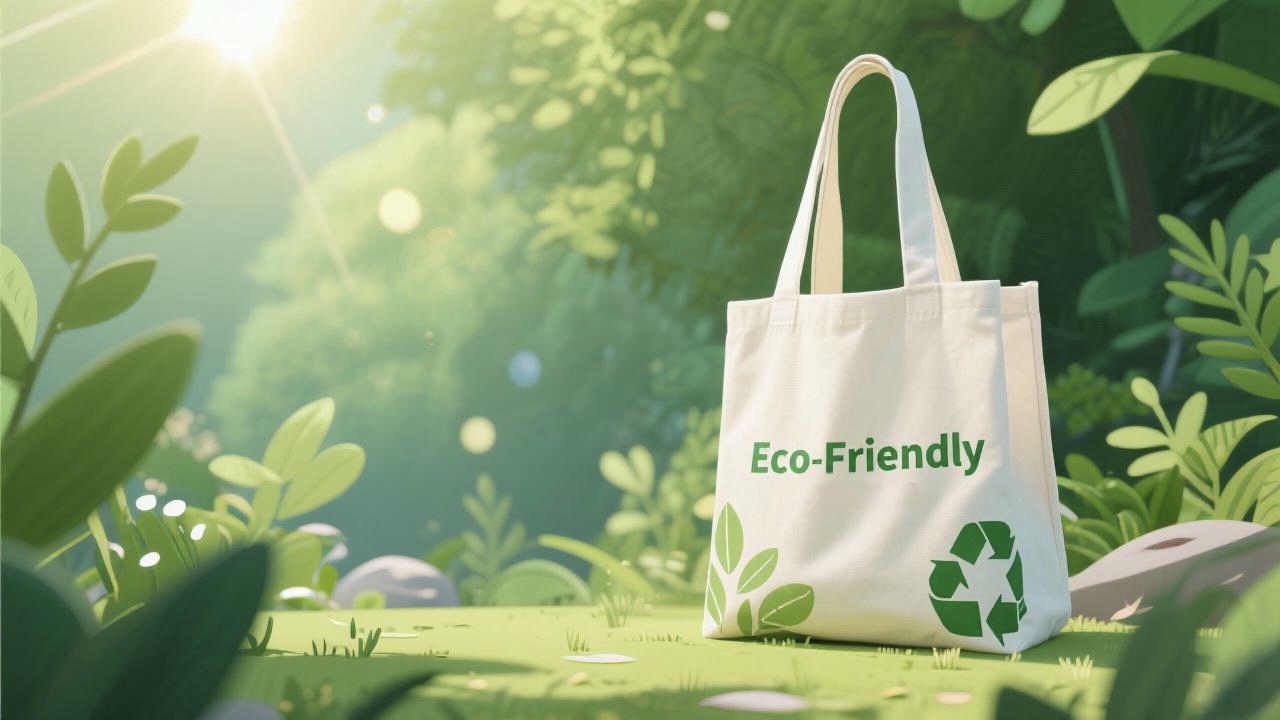
Are Non-Woven Bags Truly Eco-Friendly? A Manufacturer's Insight
1: Understanding Non-Woven Bags: More Than Just an Alternative
Non-woven bags have become ubiquitous in retail, shopping, and promotional activities worldwide. But what exactly are they? Non-woven bags are fabric-like products made primarily from polypropylene (PP), a thermoplastic polymer that's processed into fibers without traditional weaving or knitting. These fibers are bonded together using heat, chemical, or mechanical processes to create a durable, cloth-like material .
The environmental conversation around non-woven bags is complex. While they're widely marketed as an eco-friendly alternative to conventional plastic bags, the truth requires careful examination of their entire lifecycle—from production to disposal . As a manufacturer with years of experience in bag production, I'll provide a balanced perspective to help you make informed decisions.
2: The Environmental Advantages of Non-Woven Bags
2.1: Durability and Reusability
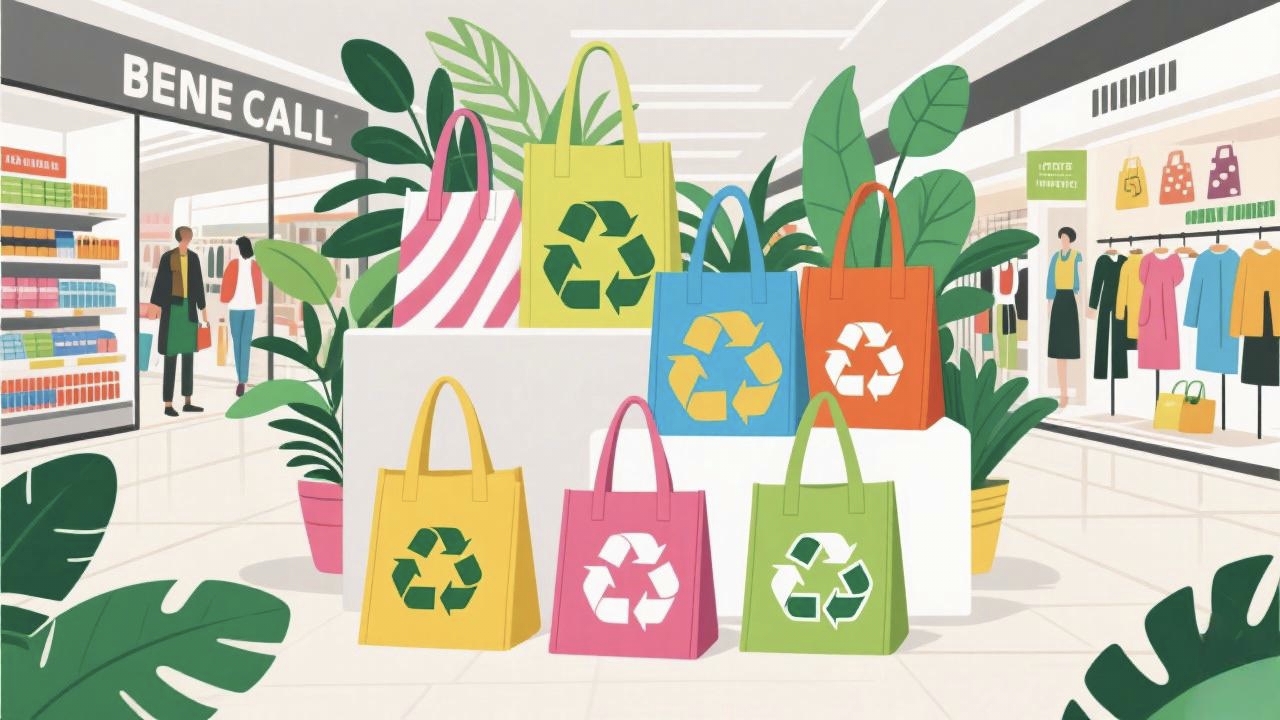
The most significant environmental advantage of non-woven bags is their durability and reusability. Unlike single-use plastic bags designed for immediate disposal, non-woven bags are manufactured to withstand repeated use over an extended period. Their tear-resistant, water-resistant properties allow them to carry heavy items multiple times without compromising structural integrity .
Research indicates that a single non-woven bag can replace hundreds, if not thousands, of single-use plastic bags throughout its lifespan . This substantial reduction in waste generation makes them a valuable tool in combating plastic pollution when used consistently.
2.2: Reduced Resource Consumption in Production
The manufacturing process of non-woven bags is less resource-intensive compared to traditional woven textiles or paper bag production. The non-woven production method requires less energy and water than conventional weaving processes . Additionally, since non-woven bags are made from synthetic polymers rather than natural fibers like cotton or paper, they don't contribute to deforestation or require agricultural land and pesticides .
2.3: Recyclability and Potential for Circular Economy
Non-woven polypropylene bags are technically recyclable. At the end of their useful life, they can be collected, processed, and transformed into new products, reducing the demand for virgin materials . This potential for recycling contributes to a circular economy model where materials are kept in use for as long as possible.
Some manufacturers are now developing biodegradable non-woven options using bio-based polypropylene or other innovative materials that break down more quickly in appropriate conditions .

3: Environmental Challenges and Considerations
3.1: The Reuse Threshold
The key to making non-woven bags environmentally superior lies in how frequently they're reused. Studies suggest that a non-woven bag must be used at least 11-15 times to compensate for the higher environmental impact of its production compared to single-use plastic bags . If these bags are discarded after only a few uses or treated as disposable items, their environmental advantage diminishes significantly.
3.2: Degradation Timeline and Microplastic Concerns
While non-woven bags degrade faster than conventional plastic bags (approximately 90 days outdoors compared to 300+ years for plastic bags), they still pose environmental challenges if not disposed of properly . During degradation, some non-woven bags may release microplastics—tiny plastic particles that can harm ecosystems and enter the food chain .
3.3: Recycling Infrastructure Limitations
Although non-woven bags are recyclable in theory, the reality is more complex. Many municipal recycling facilities lack the specialized equipment to process non-woven materials efficiently . This infrastructure gap, combined with low consumer awareness about proper disposal methods, means that many non-woven bags still end up in landfills where their environmental benefits are never realized.

4: Maximizing the Environmental Benefits of Non-Woven Bags
4.1: Choosing the Right Bag for the Right Purpose
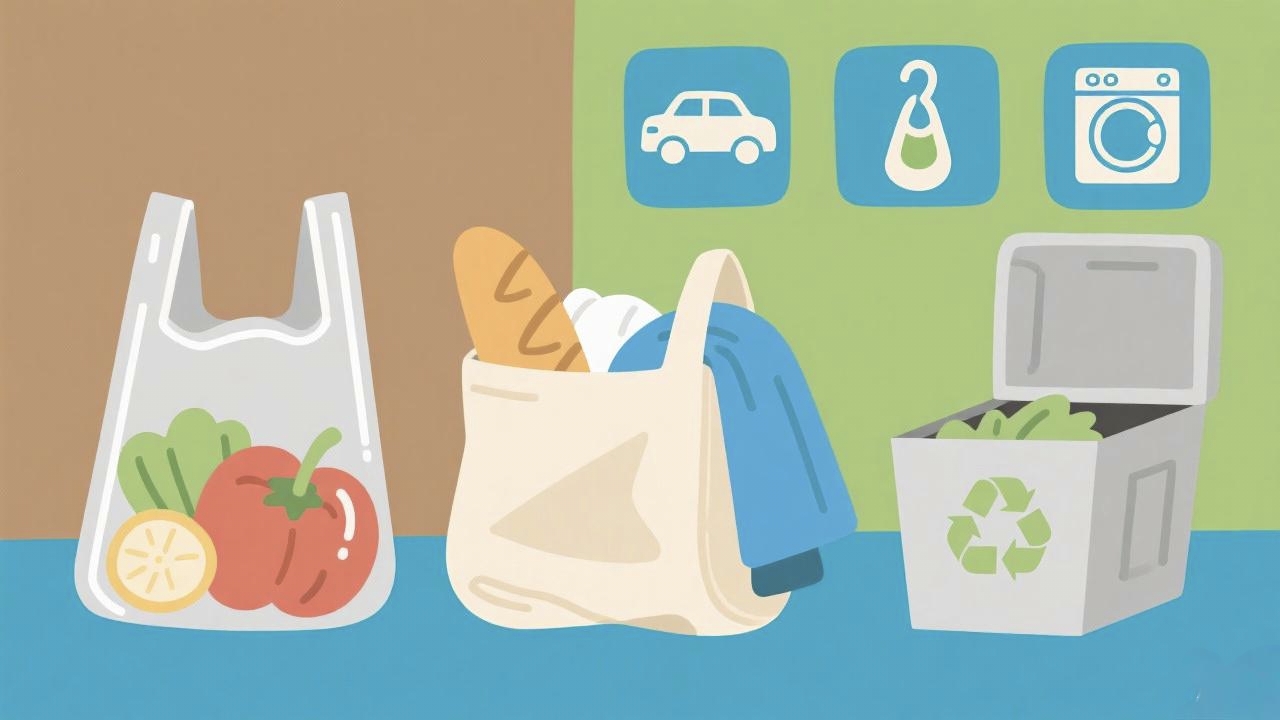
Not all non-woven bags are created equal. As a manufacturer, we recommend selecting bags based on intended use:
• Heavy-duty laminated bags for grocery shopping and heavy items
• Heavy-duty laminated bags for grocery shopping and heavy items
• Lighter non-laminated bags for lightweight shopping and short-term use
• Specialized biodegradable options for situations where disposal is inevitable
4.2: Proper Care and Maintenance
Extending the lifespan of non-woven bags through proper care is crucial for maximizing their environmental benefits. Most non-woven bags can be easily cleaned with a damp cloth or gentle machine wash, ensuring hygiene and durability . Encouraging customers to keep bags in their cars or by the door reduces the likelihood of forgetting them when shopping.
5: About Our Factory: Commitment to Sustainable Manufacturing
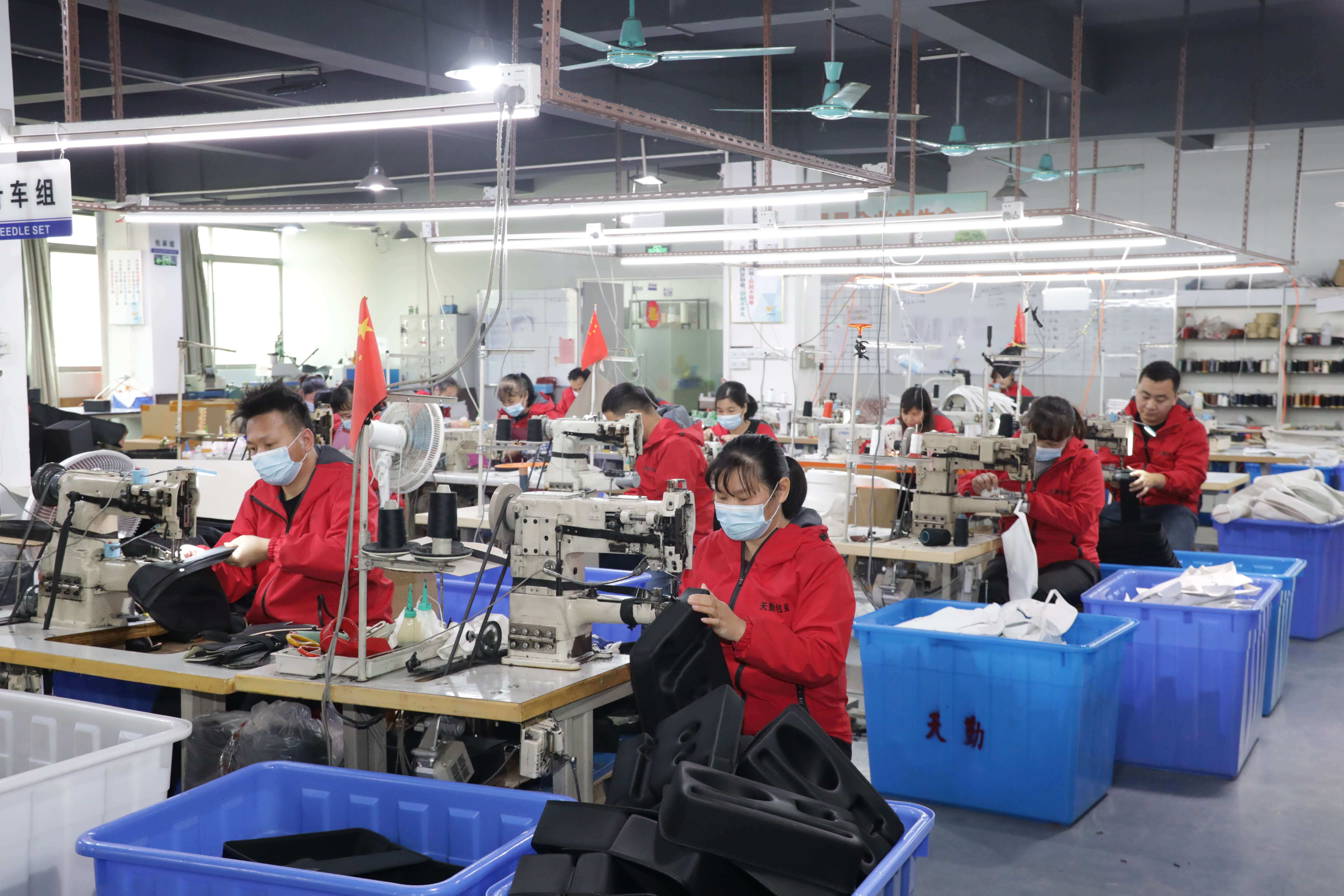
At our manufacturing facility, we approach non-woven bag production with both environmental responsibility and practical functionality in mind. With over a decade of experience in bag manufacturing, we've invested in advanced production technologies that minimize waste and energy consumption while maximizing product quality and durability.
At our manufacturing facility, we approach non-woven bag production with both environmental responsibility and practical functionality in mind. With over a decade of experience in bag manufacturing, we've invested in advanced production technologies that minimize waste and energy consumption while maximizing product quality and durability.
6: Conclusion: A Balanced Perspective
Non-woven bags present a more environmentally friendly alternative to single-use plastic bags, but they are not a perfect solution. Their ecological advantage depends largely on consumer behavior—specifically, the commitment to reuse them extensively and dispose of them responsibly.
As a manufacturer, we believe in transparently communicating both the benefits and limitations of non-woven bags. When produced responsibly, used repeatedly, and recycled properly, they represent a meaningful step toward reducing plastic pollution and promoting sustainable consumption patterns.
The journey toward truly sustainable packaging solutions is ongoing, and we remain committed to innovating and improving our processes to minimize environmental impact while meeting our customers' practical needs.
Non-woven bags present a more environmentally friendly alternative to single-use plastic bags, but they are not a perfect solution. Their ecological advantage depends largely on consumer behavior—specifically, the commitment to reuse them extensively and dispose of them responsibly.
As a manufacturer, we believe in transparently communicating both the benefits and limitations of non-woven bags. When produced responsibly, used repeatedly, and recycled properly, they represent a meaningful step toward reducing plastic pollution and promoting sustainable consumption patterns.
The journey toward truly sustainable packaging solutions is ongoing, and we remain committed to innovating and improving our processes to minimize environmental impact while meeting our customers' practical needs.

Interested in learning more about our eco-friendly non-woven bag options? Contact us today to discuss how we can create sustainable packaging solutions tailored to your business needs.
What is a toiletry bag
what is shoulder bag
Related Article
Choosing a custom bag manufacturer is one of the most critical decisions for your brand. Whether you're launching a new handbag line, sourcing promotional totes, or producing luxury backpacks, the right partner can make or break your product quality, delivery timeline, and profit margins.
Choose the Right Custom Bag Manufacturer

A dedicated shoe bag is a small but transformative travel accessory. It keeps your clean clothes separate from dirty soles, protects delicate footwear, and brings order to your luggage.
best-shoe-bags-for-travel