how to clean leather bag
Keep Your Leather Bag Looking New: The Ultimate Guide
Introduction
Every leather bag tells a story—refined, stylish, and timelessly elegant. However, without proper care, even the highest quality leather can fade, crack, and even suffer irreversible damage. Whether you're investing in a luxury designer handbag or a practical everyday backpack, proper cleaning and care will ensure your bag remains a wardrobe staple for years to come.
In this guide, we'll walk you through the basic steps of leather bag care and share expert tips to help you maintain your bag's beauty and lifespan.
Introduction
Every leather bag tells a story—refined, stylish, and timelessly elegant. However, without proper care, even the highest quality leather can fade, crack, and even suffer irreversible damage. Whether you're investing in a luxury designer handbag or a practical everyday backpack, proper cleaning and care will ensure your bag remains a wardrobe staple for years to come.
In this guide, we'll walk you through the basic steps of leather bag care and share expert tips to help you maintain your bag's beauty and lifespan.
Understanding Your Leather Type
Before delving into cleaning methods, first determine what type of leather your bag is made of, as different materials require different care methods.
Full-Grain Leather
Full-grain leather is renowned for its natural grain and exceptional durability, developing a beautiful patina over time. This premium leather requires minimal maintenance, but occasional leather treatments help maintain its luxurious look.
Top Grain Leather
Top grain leather is more affordable and has a smooth surface, but it requires regular cleaning and care to prevent dryness and cracking.
Suede and Nubuck Leather
These delicate leather materials have a soft, velvety surface and require special cleaning methods and moisture protection. Never use ordinary leather cleaners to clean suede or nubuck leather, as they will damage its delicate surface.
Essential Leather Cleaning Supplies
Having the right tools is essential for proper leather care. You will need the following items:
• A soft-bristled brush or horsehair brush for dusting
• A mild leather cleaner or pH-balanced leather soap
• A soft, lint-free cloth or microfiber cloth
• Distilled water to prevent mineral buildup
• A high-quality leather conditioner to restore moisture to the leather
• A leather protectant to enhance stain and water resistance
Cleaning Steps
Preparation
First, completely empty the bag and check all pockets for loose items or debris. Gently shake the bag to remove dust particles, then use a soft-bristled brush or lint roller to remove surface dust and debris.
Colorfastness Test
Before using any cleaning product, conduct a colorfastness test. Apply a small amount of cleaner to an inconspicuous area (such as the bottom of the bag). If cleaner gets onto the fabric, consult a professional leather cleaning company to avoid damaging your bag.
Cleaning the Exterior
Damp a soft cloth with warm water and a few drops of mild, pH-balanced leather soap solution. Gently wipe the leather surface in circular motions, cleaning a small area at a time. Avoid over-wetting the leather and rinse the cloth regularly to prevent dirt from settling back in.
For stubborn stains, use a professional leather cleaner according to the product instructions. Avoid rubbing vigorously to prevent damage to the leather surface.
Drying Process
After cleaning, gently blot away excess moisture with a clean, soft cloth. Allow the bag to air dry naturally at room temperature, avoiding direct sunlight, heat sources, or radiators to prevent the leather from drying and cracking.
To maintain the bag's shape during the drying process, stuff it with clean paper or a towel. Avoid using newspaper, as the ink may stain the lining.
The Importance of Maintenance
Cleaning removes dirt, while maintenance replenishes the leather's natural oils, keeping it soft and supple. Once the bag is completely dry, apply a high-quality leather conditioner to the leather with a soft cloth, using gentle circular motions.
Let it sit for 15-30 minutes to allow the conditioner to be fully absorbed, then wipe away any excess with a clean cloth. Regular maintenance (every 3-6 months, depending on usage) prevents the leather from drying out and cracking, significantly extending the bag's lifespan.
Proper Storage Methods
When not in use, the way you store your leather bag significantly impacts its lifespan:
• Stuff the bag with tissues or a clean towel to help maintain its shape.
• Protect it with a dust bag or pillowcase.
• Store in a cool, dry place, avoiding direct sunlight and extreme temperatures.
• Avoid hanging for extended periods to prevent stretching and deformation.
Professional Care Recommendations
• Daily Care: For bags used daily, a thorough cleaning is recommended every 2-3 months. For occasional use, servicing every 6 months is sufficient.
• Immediate Action: Address stains and spills promptly to prevent permanent damage.
• Seasonal Care: Serve your leather bag at least twice a year, more frequently in dry climates.
• Professional Help: For valuable bags or severely damaged items, consult a professional leather cleaner.
Common Mistakes to Avoid:
Full-Grain Leather
Full-grain leather is renowned for its natural grain and exceptional durability, developing a beautiful patina over time. This premium leather requires minimal maintenance, but occasional leather treatments help maintain its luxurious look.
Top Grain Leather
Top grain leather is more affordable and has a smooth surface, but it requires regular cleaning and care to prevent dryness and cracking.
Suede and Nubuck Leather
These delicate leather materials have a soft, velvety surface and require special cleaning methods and moisture protection. Never use ordinary leather cleaners to clean suede or nubuck leather, as they will damage its delicate surface.
Essential Leather Cleaning Supplies
Having the right tools is essential for proper leather care. You will need the following items:
• A soft-bristled brush or horsehair brush for dusting
• A mild leather cleaner or pH-balanced leather soap
• A soft, lint-free cloth or microfiber cloth
• Distilled water to prevent mineral buildup
• A high-quality leather conditioner to restore moisture to the leather
• A leather protectant to enhance stain and water resistance
Cleaning Steps
Preparation
First, completely empty the bag and check all pockets for loose items or debris. Gently shake the bag to remove dust particles, then use a soft-bristled brush or lint roller to remove surface dust and debris.
Colorfastness Test
Before using any cleaning product, conduct a colorfastness test. Apply a small amount of cleaner to an inconspicuous area (such as the bottom of the bag). If cleaner gets onto the fabric, consult a professional leather cleaning company to avoid damaging your bag.
Cleaning the Exterior
Damp a soft cloth with warm water and a few drops of mild, pH-balanced leather soap solution. Gently wipe the leather surface in circular motions, cleaning a small area at a time. Avoid over-wetting the leather and rinse the cloth regularly to prevent dirt from settling back in.
For stubborn stains, use a professional leather cleaner according to the product instructions. Avoid rubbing vigorously to prevent damage to the leather surface.
Drying Process
After cleaning, gently blot away excess moisture with a clean, soft cloth. Allow the bag to air dry naturally at room temperature, avoiding direct sunlight, heat sources, or radiators to prevent the leather from drying and cracking.
To maintain the bag's shape during the drying process, stuff it with clean paper or a towel. Avoid using newspaper, as the ink may stain the lining.
The Importance of Maintenance
Cleaning removes dirt, while maintenance replenishes the leather's natural oils, keeping it soft and supple. Once the bag is completely dry, apply a high-quality leather conditioner to the leather with a soft cloth, using gentle circular motions.
Let it sit for 15-30 minutes to allow the conditioner to be fully absorbed, then wipe away any excess with a clean cloth. Regular maintenance (every 3-6 months, depending on usage) prevents the leather from drying out and cracking, significantly extending the bag's lifespan.

Proper Storage Methods
When not in use, the way you store your leather bag significantly impacts its lifespan:
• Stuff the bag with tissues or a clean towel to help maintain its shape.
• Protect it with a dust bag or pillowcase.
• Store in a cool, dry place, avoiding direct sunlight and extreme temperatures.
• Avoid hanging for extended periods to prevent stretching and deformation.

Professional Care Recommendations
• Daily Care: For bags used daily, a thorough cleaning is recommended every 2-3 months. For occasional use, servicing every 6 months is sufficient.
• Immediate Action: Address stains and spills promptly to prevent permanent damage.
• Seasonal Care: Serve your leather bag at least twice a year, more frequently in dry climates.
• Professional Help: For valuable bags or severely damaged items, consult a professional leather cleaner.
Common Mistakes to Avoid:
1. Using household cleaners, ammonia, or alcohol-based products will remove the leather's natural oils.
2. Overusing water or soaking leather will damage it.
3. Using hot air to quickly dry leather will cause it to crack.
4. Neglecting daily maintenance allows dirt to seep into the leather.
5. Using unsuitable cleaners, such as those not specifically designed for leather.
Conclusion
A well-maintained leather bag is more than just an accessory; it's a valuable investment that can be passed down through generations. Following these simple steps and developing a habit of regular maintenance will keep your bag beautiful and functional for years to come.
Remember, the key to leather care is consistency. Take good care of your bag, and it will always be with you, showcasing your style.
For more expert advice on leather care, or to browse our selection of premium leather products, please visit our website or contact our customer service team.
2. Overusing water or soaking leather will damage it.
3. Using hot air to quickly dry leather will cause it to crack.
4. Neglecting daily maintenance allows dirt to seep into the leather.
5. Using unsuitable cleaners, such as those not specifically designed for leather.
Conclusion
A well-maintained leather bag is more than just an accessory; it's a valuable investment that can be passed down through generations. Following these simple steps and developing a habit of regular maintenance will keep your bag beautiful and functional for years to come.
Remember, the key to leather care is consistency. Take good care of your bag, and it will always be with you, showcasing your style.
For more expert advice on leather care, or to browse our selection of premium leather products, please visit our website or contact our customer service team.
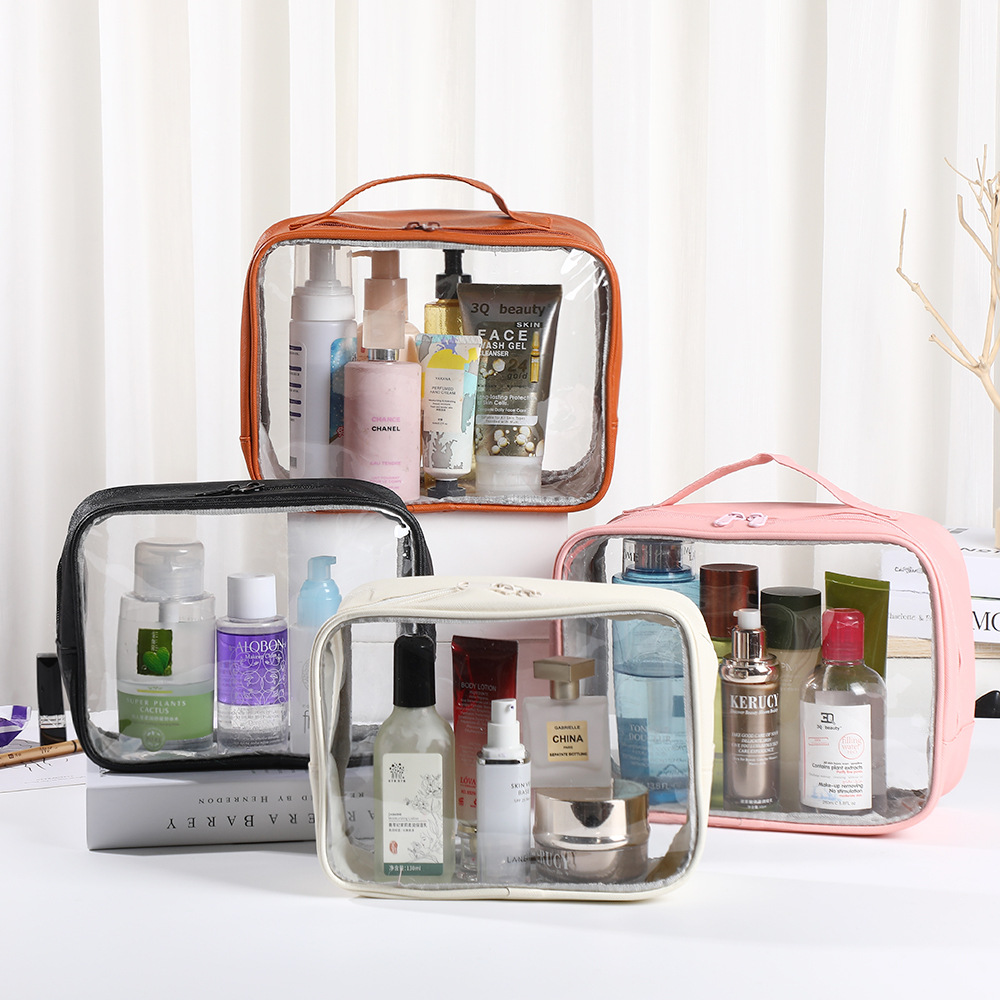
where to buy makeup bags
The Ultimate Guide: Where to Buy Makeup Bags for Every Need